







Contents
Whether patients with knee effusion (water on the knee) should walk is a common concern, as this condition often makes movement difficult, accompanied by aching and rapid fatigue. In fact, walking can still offer significant benefits if performed correctly and at the appropriate stage of recovery. To better understand this topic, we invite you to follow the article below.
1. Overview of Knee Effusion
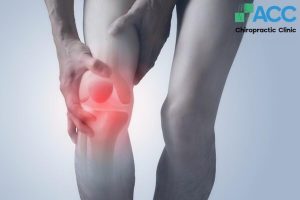
Knee effusion (intra-articular fluid accumulation) is a condition resulting from internal knee joint damage that causes an abnormal increase in synovial fluid. This leads to swelling, edema, and sometimes redness of the skin surrounding the knee.
Common symptoms include pain, swelling, and redness around the patella (kneecap), accompanied by a sensation of heaviness and tension within the joint. Patients may also notice bruising on the front, sides, or back of the knee, along with pain during movement and difficulty fully extending or flexing the leg.
2. Should You Walk with Knee Effusion? The Benefits
Patients with knee effusion can still walk, but should only engage in moderate activity within their physical limits, avoiding excessive or prolonged movement. Walking is a low-impact exercise that stimulates the production of synovial fluid, nourishes the articular cartilage, and enhances joint lubrication. This help prevents joint dryness and stiffness.
However, it is essential to use proper walking techniques to avoid putting undue stress on the knee joint. Always listen to your body: if you experience a significant increase in pain, rapid swelling, or heightened discomfort, you should stop immediately, rest, and visit a medical facility for a timely clinical evaluation.

Similarly, should individuals with general knee pain engage in walking? The answer is yes, walking is recommended as long as it is performed with proper technique and at an appropriate intensity. Numerous studies indicate that correct walking mechanics can significantly reduce pain, particularly for those suffering from joint stiffness or knee osteoarthritis. Furthermore, walking helps maintain muscle mass, enhances joint flexibility, and supports weight management, all of which reduce the compressive load on the knee joint and improve pain symptoms.
3. Proper Walking Techniques for Patients with Knee Effusion
Once you understand whether walking is advisable, the next crucial step is learning how to do it correctly. You should warm up thoroughly, choose appropriate footwear, prioritize flat and stable surfaces, and strictly control the duration and intensity of your activity. Specifically:
- Proper Warm-up: Before walking, spend 5–10 minutes performing gentle stretching and range-of-motion exercises (extension and flexion) to warm up the muscles and joints.
- Choose the Right Footwear: Opt for specialized walking shoes that are comfortable and well-fitted. Look for flexible soles with good traction to prevent slipping. Avoid high heels or pointed-toe shoes. For patients with flat feet, it is highly recommended to use medical orthotics to maintain proper foot alignment and prevent arch collapse.
- Walk on Flat Terrain: Stick to level surfaces to maintain better control over knee joint movement. Avoid slippery, uneven, or steep terrains. Additionally, walking in a fresh environment away from harsh sunlight will enhance relaxation.
- Monitor Duration and Intensity: To avoid putting excessive pressure on the knee joint, aim for approximately 6,000 steps per day. Avoid overstriding or walking too fast, as this increases the load on the injured joint. Instead, walk at a steady, moderate pace with a stride length of about 1 to 2 foot-lengths. A daily walking duration of 30 minutes is generally ideal.
- Listen to Your Body’s Response: During your walk, pay close attention to signs such as pain levels, swelling, or stiffness in the knee. If the pain intensifies, swelling increases, or discomfort persists after walking, stop immediately and adjust your intensity. If symptoms do not improve, seek professional medical advice promptly.

4. Other Suitable Exercises for Patients with Knee Effusion
While walking is an accessible form of activity, it is not the only option. If knee pain makes walking difficult, you may consider alternatives such as cycling or Tai Chi. For instance, cycling can help reduce joint swelling, boost cardiovascular health, support weight loss, and improve overall functional mobility. Gentle Tai Chi exercises help maintain normal joint range of motion, reduce stiffness, and enhance flexibility.
However, before starting any exercise regimen, you should consult with a physician to receive a tailored program that supports your recovery process.
We hope this article has clarified whether you should walk with knee effusion and how to do so safely. Knee effusion can significantly impact your health and quality of life. Therefore, besides moving correctly, the most important factor is RECEIVING THE RIGHT TREATMENT with a CLEAR THERAPEUTIC PROTOCOL. Correct treatment allows patients to:
- Gain a precise understanding of their specific underlying health condition.
- Benefit from a transparent, customized protocol tailored to each individual.
- Prioritize conservative care, minimizing dependency on medication or surgical intervention, thereby reducing the risk of long-term complications.
- Restore natural functional mobility and improve long-term quality of life.
- Save time by avoiding unnecessary follow-ups or inefficient visits.
- Optimize finances by avoiding “trial and error” with ineffective methods.
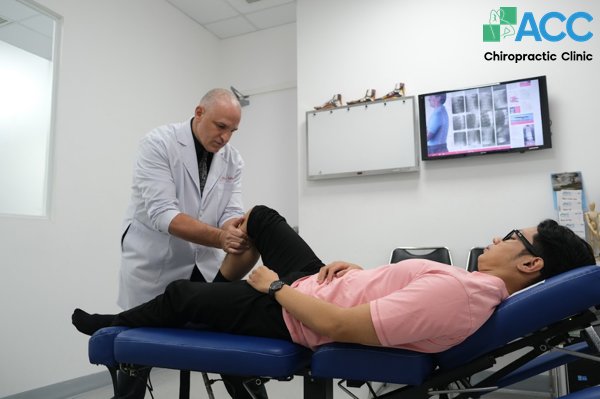
When treated correctly, the body truly heals through its natural recovery mechanisms without drugs, without surgery, and without pain.
5. Frequently Asked Questions (FAQs)
Beyond the concern of whether walking is advisable with knee pain or effusion, many patients also raise the following questions:
5.1. Should I run with knee pain?
Individuals experiencing knee pain should avoid running, especially while the pain persists. If the condition does not improve after a week of rest, you should consult a specialist to identify the underlying cause. The appropriate time to resume running depends entirely on the extent of the joint damage and your recovery progress; therefore, professional medical advice is essential for an accurate timeline.
5.2. What should patients with knee effusion keep in mind during physical activity?
Patients with knee effusion should strictly limit heavy lifting to avoid putting excessive stress on the joint. In daily life, maintain comfortable and correct standing or sitting postures, and avoid remaining in a static position for prolonged periods.
Furthermore, while exercise is necessary to maintain mobility, you must select low-impact, moderate activities. Avoid overexertion or complex movements that cause fatigue, as these can aggravate the joint condition.
We hope this has addressed your concerns regarding whether walking is suitable for those with knee effusion. Patients can still engage in walking if performed correctly and at an appropriate intensity. Remember to always listen to your body, cease activity if any abnormal signs occur, and seek a professional consultation to receive the most effective recovery plan.
>> Related posts: