







Contents
- 1. Identifying Symptoms of Lower Back Pain Near the Buttocks
- 2. What Conditions Cause Lower Back Pain Near the Buttocks?
- 3. Other Causes of Lower Back Pain Near the Buttocks
- 4. Is Pain on the Right or Left Side Near the Buttocks Dangerous?
- 5. Diagnostic Methods
- 6. Treatment and Management of Lower Back Pain
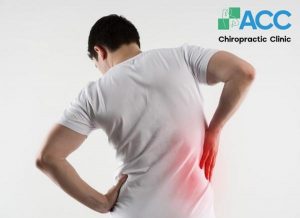
Lower back pain near the buttocks is a common condition affecting individuals of all ages. The pain can occur on the right side, the left side, or along the center of the lower spine, causing significant challenges in daily activities. To determine the most effective intervention, it is essential to accurately identify the underlying cause of these symptoms.
1. Identifying Symptoms of Lower Back Pain Near the Buttocks
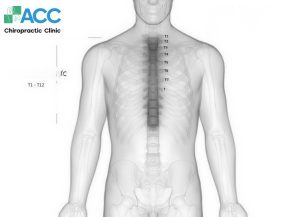
Lower back pain near the buttocks (also known as lumbago) typically occurs in the lower back region, extending down to the hips and buttocks, specifically between the L1 and L5 vertebrae. The pain may appear suddenly as a brief discomfort before disappearing, or it may develop gradually and become more severe over time.
Depending on the underlying cause, symptoms of lower back pain near the buttocks can manifest in various ways, such as:
- Dull, aching pain in the lumbar region, often accompanied by muscle spasms and tightness in the hips and pelvis.
- Sharp, burning, numbing, or tingling sensations that travel from the lower back down to the back of the thighs, lower legs, and feet.
- Weakness in the legs or feet along the sciatic nerve pathway.
- Aching or stabbing pain localized in the feet or toes.
- Exacerbated pain in the lower back and buttock area after prolonged sitting or standing.
- Morning stiffness or worsened pain upon waking, which tends to improve after standing up or moving around.
2. What Conditions Cause Lower Back Pain Near the Buttocks?
The causes of lower back pain near the buttocks in both men and women typically stem from:
2.1. Lumbar Spondylosis (Spinal Degeneration)
This is a common musculoskeletal condition traditionally seen in older adults, though it has shown a growing prevalence among younger populations recently. In addition to lower back and buttock pain, patients may experience associated issues such as muscle spasms, lower limb weakness, and loss of bladder control.
2.2. Spinal Stenosis
This is a condition where the spinal canal narrows, causing compression on the spinal cord or nerve roots. In mild cases, spinal stenosis may only cause numbness or aching in the limbs; however, in severe instances, it can lead to paralysis.
2.3. Lumbar Osteoarthritis
Spinal arthritis is most commonly found in older adults, individuals with obesity, those performing heavy manual labor, or patients with a history of spinal injury. This condition causes sharp, throbbing, or dull aching sensations that intensify over time.
2.4. Sciatica
Sciatica typically affects only one side of the body, with pain extending from the lower back through the hips and buttocks, and radiating down the leg.
2.5. Fibromyalgia
This condition causes widespread musculoskeletal pain, including lower back pain. It is often accompanied by associated symptoms such as fatigue, sleep disturbances, and depression.
2.6. Lumbar Herniated Disc
This occurs when a lumbar disc shifts out of its natural position, compressing the nerve roots and causing pain. This condition is frequently seen in men, particularly those who regularly perform heavy lifting.
In some cases, lower back pain near the buttocks may also be a clinical manifestation of gynecological issues, pancreatitis, or appendicitis.
3. Other Causes of Lower Back Pain Near the Buttocks
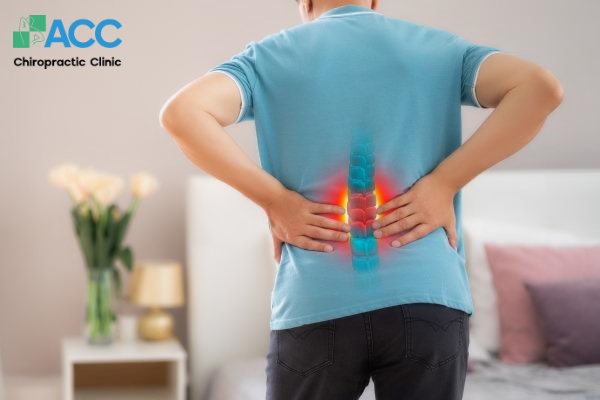
In addition to the medical conditions mentioned above, lower back pain near the buttocks can also stem from several other factors:
3.1. Pregnancy and Postpartum
Many women face bothersome lower back and buttock pain during pregnancy due to the increased pressure of the uterus on the spine and nerve roots. This pressure can impair blood circulation, leading to localized hypoxia (oxygen deficiency), ischemia (poor blood supply), and joint damage.
Furthermore, factors such as the administration of spinal anesthesia for C-sections and the excessive stretching of ligaments during childbirth often result in persistent pain on the right or left side of the tailbone (coccyx).

Medical statistics show that around 50–80% of pregnant women experience back pain during pregnancy. The pain can begin as early as the first trimester and may persist even after childbirth. For some mothers, back pain is mild and short-lived, but in many cases, it can be persistent and extremely uncomfortable,…
3.2. Menstrual Back Pain
During the menstrual cycle, hormonal shifts and uterine contractions cause intense aching in the muscles, including those in the lumbar region. Typically, this discomfort subsides naturally once the period ends.
3.3. Muscle Strain and Ligament Sprain
The lower back is highly susceptible to strains and sprains due to its central role in twisting, bending, and stooping movements. While mild sprains often resolve with rest, severe cases may require surgical intervention to repair or reconstruct damaged or torn ligaments, tendons, and muscles.
3.4. Overweight and Obesity
The lumbar spine bears a significant portion of the body’s weight. In individuals with overweight or obesity, the excessive load compresses the spine, leading to chronic and severe aching.
3.5. Sedentary Lifestyle
This is a common factor among office workers, tailors, and receptionists whose professions require prolonged sitting with minimal movement. This leads to poor blood circulation and localized congestion, eventually triggering back pain near the buttocks.
3.6. Calcium-Deficient Diet
Calcium deficiency is a frequent cause of lower back pain in children, the elderly, women in their third trimester of pregnancy, and those in peri-menopause or menopause. Associated symptoms often include numbness in the limbs, muscle cramps, stiffness, and impaired mobility.
3.7. Spinal Injuries
Impacts to the back resulting from traffic accidents, occupational hazards, or sports injuries as well as improper treatment of previous injuries can severely damage the musculoskeletal system.
4. Is Pain on the Right or Left Side Near the Buttocks Dangerous?
Acute pain on the lower left side that starts suddenly often improves with rest. However, patients should not be indifferent; if the pain persists for more than 3 months, it may be a warning sign of spinal injury, joint fusion (ankylosis), soft tissue damage, sciatica, or spinal degeneration. It could also indicate issues with internal organs like the kidneys, pancreas, or intestines.
For pain on the lower right side, early clinical examination is essential as many cases are linked to kidney stones, urinary tract infections, or appendicitis. Dull aching that increases in intensity and radiates toward the groin and legs can significantly obstruct mobility.
Seek immediate medical attention if back pain is accompanied by any of the following “red flag” symptoms:
- Loss of bladder or bowel control (incontinence).
- Unexplained weight loss or leg weakness.
- Fever, chills, or pain when coughing/urinating.
- Severe abdominal pain.
5. Diagnostic Methods
Common diagnostic procedures for lower back pain near the buttocks include:
- Clinical Examination: To provide a comprehensive assessment of the patient’s condition.
- Imaging (X-ray, MRI, or CT Scan): To detect herniated discs or abnormalities in tissues, fascia, nerves, ligaments, blood vessels, muscles, and bones.
- Electromyography (EMG): Helps doctors evaluate nerve or muscle damage related to back pain.
- Blood Tests: To identify calcium deficiencies or underlying infections.
6. Treatment and Management of Lower Back Pain
6.1. Medication
Common pharmacological options include:
- Over-the-Counter (OTC) Pain Relievers: Aspirin (Bayer), Ibuprofen (Advil), Naproxen (Aleve), and Acetaminophen (Tylenol). These can rapidly reduce inflammation in nerves or muscles but only provide temporary relief. Patients should avoid overuse or increasing dosages without a doctor’s guidance.
- Muscle Relaxants: Cyclobenzaprine helps reduce stiffness and cramping. However, these are usually only prescribed for short-term use (2–3 weeks) due to side effects like blurred vision, dizziness, and drowsiness.
- Opioids: Hydrocodone, Tramadol, and Oxycodone are prescribed for severe acute post-surgical pain or chronic pain. Side effects include constipation, sleep apnea, and potential heart or lung issues.

6.2. Cold Compress Therapy
Cold therapy should be applied as soon as possible after an injury occurs, typically within the first 48 hours. The cold temperature slows down the inflammatory process and swelling, while simultaneously interrupting the pain-spasm cycle between the nerves.
- Note: Avoid applying ice directly to the skin and limit each session to no more than 15–20 minutes.
6.3. Rest and Massage Therapy
To improve lower back pain near the buttocks, patients should rest and limit strenuous activities for a short period. In parallel, combining rest with massage therapy can help relax the muscles, support back pain relief, and enhance blood and vital energy circulation to the lumbar region.
6.4. Physical Exercise
Regular exercise is effective in improving lower back discomfort. However, you should only perform moderate exercises within your physical limits to avoid exacerbating the condition.
The following are some home exercises for lower back pain relief, demonstrated by ACC’s Physical Therapy and Rehabilitation specialists:
6.5. Stress Management
Prolonged stress can exacerbate back pain. You can counteract this by ensuring proper rest or practicing simple yoga poses, which simultaneously reduce stress and enhance spinal flexibility.
6.6. Weight Management
Weight loss helps alleviate the excessive pressure on the lumbar spine. However, it is important to avoid rapid weight loss, as it can negatively impact your overall health. For safe and sustainable results, combine a scientifically-balanced diet with regular physical activity.
6.7. Proper Sleeping Postures
Maintaining an appropriate sleeping posture allows the spine, particularly the lumbar region, to relax and recover faster. To achieve this, place a pillow under your thighs when sleeping on your back, or tuck a soft pillow between your knees when sleeping on your side.
>> Related: Correct sleeping postures for better sleep and improved health
6.8. Daily Vitamin D and Calcium Supplementation
To increase your intake of Vitamin D and Calcium, incorporate nutrient-rich foods such as milk, eggs, and red meat into your daily meals. For dietary supplements or fortified vitamins, consult a physician before use.
6.9. Chiropractic Care combined with Physical Therapy
One of the most prominent treatments for lower back pain near the buttocks today is Chiropractic care integrated with Physical Therapy. This non-invasive, drug-free approach ensures patient safety while delivering superior therapeutic outcomes.
Explore Chiropractic Therapy
In Vietnam, ACC Clinic is a pioneer in applying Chiropractic care to treat musculoskeletal issues, including lower back pain near the buttocks. ACC doctors perform precise manual adjustments to realign the joints and restore the spine’s natural physiological curvature.
Furthermore, the clinic integrates Physical Therapy supported by advanced equipment such as Shockwave Therapy and High-Intensity Laser Therapy to accelerate recovery and effectively prevent pain recurrence.
We hope the insights shared above regarding lower back pain near the buttocks have been helpful to you.
Please note: If you experience any signs of discomfort or aching in your lower back, it is crucial to visit the nearest medical facility immediately for a professional evaluation and timely treatment. Early intervention is key to preventing the condition from progressing and becoming more severe.
>> Related posts: