






Contents
- 1. What is an L4-L5 Lumbar Herniated Disc?
- 2. Why Does the L4-L5 Disc Herniate? Causes of L4-L5 Herniation
- 3. Symptoms of an L4-L5 Lumbar Herniated Disc
- 4. Summary of Pain Relief Methods for L4-L5 Herniation
- 5. Is an L4-L5 Herniated Disc Dangerous? Potential Complications
- 6. Diagnostic Methods
- 7. Treatment Options for L4-L5 Herniated Discs
- 8. Effective, Drug-Free, and Non-Surgical Treatment at ACC
- 9. Frequently Asked Questions (FAQs)
1. What is an L4-L5 Lumbar Herniated Disc?
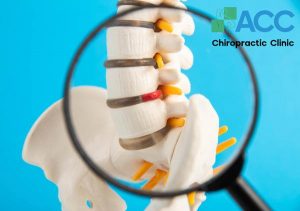
An L4-L5 lumbar herniated disc occurs when the outer layer (annulus fibrosus) of the disc located between the L4 and L5 vertebrae tears or ruptures. This creates a gap through which the inner gel-like substance (nucleus pulposus) escapes rapidly, forming a herniation.
The human spine serves as the central pillar supporting the entire body, consisting of 33 vertebrae stacked together, including:
- 7 Cervical vertebrae: C1-C7 (Neck)
- 12 Thoracic vertebrae: D1-D12 (Mid-back)
- 5 Lumbar vertebrae: L1-L5 (Lower back)
- 5 Sacral vertebrae: S1-S5 (Pelvis/Hip)
- 4 Coccygeal vertebrae: (Tailbone)
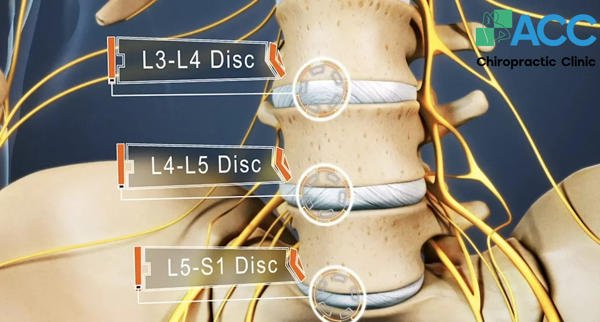
Between each pair of vertebrae is a disc (composed of a central nucleus pulposus and an outer annulus fibrosus) that acts as a shock absorber, helping the spine withstand various physical impacts.
>> Read more: Lumbar disc herniation at L5-S1: Causes and safe treatment options
L4 and L5 are the lowest vertebrae in the lumbar region. These two segments bear the most significant burden when the spine is under heavy pressure. When the herniated material enters the spinal canal and compresses the nerve roots or the spinal membrane, the patient will experience distinct pain.
2. Why Does the L4-L5 Disc Herniate? Causes of L4-L5 Herniation
L4-L5 herniation can result from spinal degeneration, injury, improper lifting, or poor lifestyle habits. Below are the detailed causes:
- Spinal Degeneration: Over time, discs lose water content and wear down. Any significant impact on the spine, especially at the L4-L5 lumbar position, puts pressure on the discs, making them more prone to herniation.
- Trauma/Injury: Mechanical impacts from traffic accidents, workplace injuries, or severe falls are common causes.
- Improper Lifting: Using back muscles instead of leg muscles or twisting excessively while lifting heavy objects can damage the lower back and cause a herniated disc.
- Poor Posture: Long-term habits such as slouching while sitting or standing create persistent pressure on the spine, leading to lumbar herniation.
- Strenuous Labor: Jobs requiring repetitive lifting, bending, or twisting place a heavy strain on the lower back, leading to L4-L5 issues.
- Overweight and Obesity: Excess body weight puts additional stress on the spinal column, increasing the risk of lumbar disc herniation.
- Smoking: Smoking reduces the oxygen supply to the discs, causing premature degeneration.
- Sedentary Lifestyle: A lack of physical activity weakens the core and back muscles, which are essential for supporting and stabilizing the spine. Over time, this increases the pressure on the discs.
- Genetic Factors: Some individuals have a higher risk of developing disc problems due to a genetic predisposition inherited from family members.

Lumbar disc herniation is one of the most common spinal disorders in Viet Nam; the condition causes excruciating pain and interferes with daily activities. A person with a herniated disc experiences pain along the spine. Initially, lumbar disc herniation does not cause extreme pain; therefore, many people ignore the early…
3. Symptoms of an L4-L5 Lumbar Herniated Disc
L4-L5 herniation typically presents with lower back pain, sciatica, numbness, or tingling in the legs and buttocks. Specific signs include:
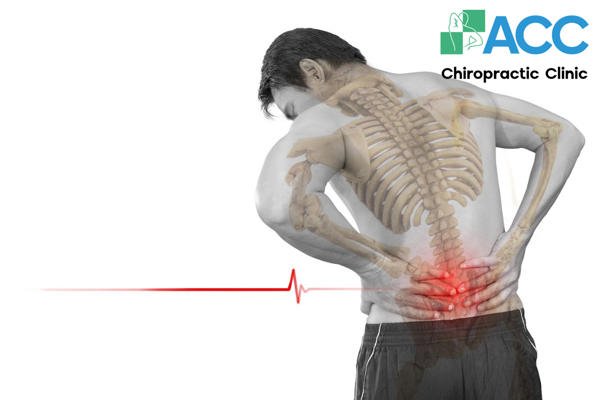
- Back Pain: Dull or sharp, sudden pain in the lumbar region.
- Sciatica: Pain radiating from the lower back down to the knees or feet.
- Intensity: Pain increases when coughing, sneezing, bending over, walking, or lying on one side.
- Sensory Issues: Numbness or “pins and needles” sensations in the feet and buttocks.
- Muscle Weakness: Weakness in the legs or feet.
- Stiffness: Difficulty moving or bending down.
- Severe Signs: Loss of bladder or bowel control (in advanced cases).
4. Summary of Pain Relief Methods for L4-L5 Herniation
- Proper Rest: Avoid strenuous activity to allow the body time to recover.
- Hot/Cold Therapy: Use heat or ice packs on the lumbar area to reduce swelling and pain.
- Weight Management: Maintaining a healthy weight prevents excessive pressure on the spine.
- Medication: Doctors may prescribe pain relievers like Ibuprofen. Note: Do not self-medicate without a doctor’s guidance.
- Back Braces: These support the spine and stabilize the area. Consult a doctor to choose the appropriate type.
5. Is an L4-L5 Herniated Disc Dangerous? Potential Complications
Yes. If left untreated, it can lead to:
- Nerve Root Damage: Recurring and worsening pain that hinders daily activities.
- Sensory Disorders: Loss of heat, cold, or tactile sensations in affected skin areas.
- Mobility Issues: Weakness or paralysis in the legs.
- Sphincter Dysfunction: Urinary retention or incontinence.
6. Diagnostic Methods
- X-ray: Visualizes the position and spinal damage.
- MRI: The gold standard for identifying the location and severity of the herniation.
- CT Scan: An alternative for those unable to undergo an MRI.
- Electromyography (EMG): Assesses nerve damage.
- Discography: Evaluates the structure and condition of the disc.
7. Treatment Options for L4-L5 Herniated Discs
- Physiotherapy: Specialized exercises to strengthen the spine and reduce disc pressure.
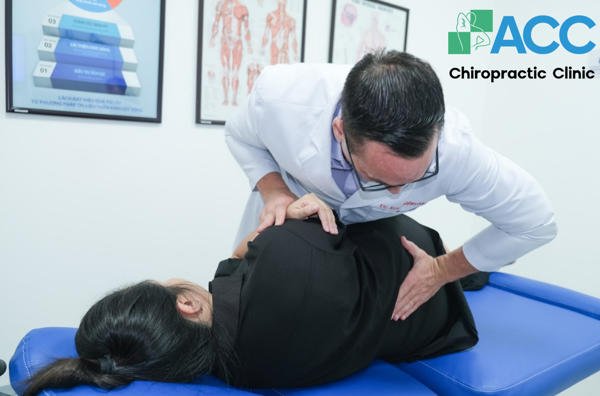
- Chiropractic Care: A manual adjustment method to realign the spine and allow the disc to return to its natural position without drugs or surgery.
- Surgery: A last resort when conservative treatments fail, involving discectomy or spinal fusion.
- Steroid Injections: Temporary relief for inflammation and pain.
8. Effective, Drug-Free, and Non-Surgical Treatment at ACC
ACC Clinic is a pioneer in combining Chiropractic with modern Physiotherapy and Rehabilitation. With 20 years of experience, we offer:
- Part of FV Hospital’s Integrated System: Providing seamless care from conservative to specialized medical services.
- 100% Foreign Specialist Team: Highly trained doctors with extensive experience in treating Vietnamese patients.
- Personalized Protocols: Tailored treatment plans including Chiropractic adjustments and specialized exercises.
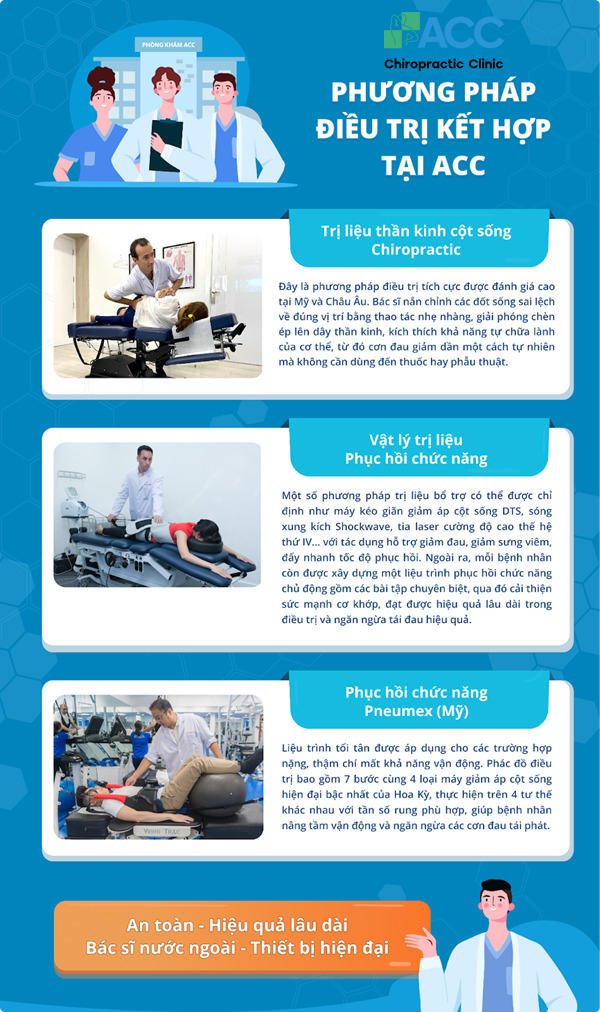
- Modern Equipment: Utilizing DTS Decompression, ATM2, and Vertetrac devices.
- Transparent Costs & Professional Process: International-standard experience with clear consultation and streamlined scheduling.
9. Frequently Asked Questions (FAQs)
9.1. What are the signs of nerve compression?
Sudden back pain, sciatica, and leg weakness.
9.2. Should I undergo surgery?
Only if conservative methods fail; Chiropractic is a safer, non-surgical alternative.

9.3. Is walking recommended?
Yes, gentle walking helps improve spinal strength and mobility.
9.4. Signs of L3-L4-L5 herniation?
Similar to L4-L5 but may involve broader pain radiating down the thighs and hips.
>> Related posts: