





Contents
Whether individuals with a herniated disc can cycle is a common question, especially for those seeking a simple, accessible form of exercise that fits into a busy schedule. This article will provide a detailed answer to that question, along with guidance on proper cycling techniques and essential tips to prevent the condition from worsening. Let’s dive in.
1. [Answered] Can People with a Herniated Disc Go Cycling?
Yes, patients with a herniated disc can cycle. This is an excellent sport for herniated disc patients because it follows the principle of using body weight to naturally stretch the spine. When cycling correctly, ligaments become more flexible, musculoskeletal structures remain supple, and calcium deposits or calcification are minimized. As a result, nerve root compression is reduced, leading to a significant decrease in pain.
2. Benefits and Risks of Cycling for Herniated Disc Patients
Besides knowing whether cycling is possible, patients must understand the balance of benefits and risks. While it helps reduce spinal pressure and nerve compression, cycling can worsen a herniated disc if performed incorrectly.
2.1. Benefits
When performed with the correct posture, appropriate intensity, and in accordance with the patient’s condition, cycling offers several positive benefits:
- Reducing Spinal Pressure: Gentle cycling helps distribute the force impacting the spine, limiting the compressive pressure on the intervertebral discs. This supports the relief of back pain and promotes healing in the damaged spinal area.
- Increasing Flexibility: Regular movement improves joint mobility and ligament elasticity.
- Reducing Nerve Compression: Proper spinal alignment during cycling can alleviate the “pinched nerve” sensation.
- Improving Overall Health: Enhances cardiovascular fitness and muscle strength without high-impact stress on the joints.
- Increasing Flexibility: Regular cycling strengthens the muscles surrounding the spine and improves overall flexibility. This helps soothe pain and reduces the joint stiffness commonly caused by a herniated disc.
- Reducing Nerve Compression: Proper cycling techniques help relax muscles and improve blood circulation. This supports the reduction of nerve root compression—the primary cause of pain in herniated disc patients.
- Improving Overall Health: Cycling also contributes to better cardiovascular endurance, weight control, and mental well-being. These are vital factors in a patient’s recovery and long-term quality of life.

2.2. Risks
Conversely, incorrect cycling habits can exacerbate the pain from a herniated disc. For example:
- Poor Posture: Leaning too low, hunching the back, or craning the neck for extended periods increases spinal pressure, forcing the herniated disc to press more intensely against the nerves.
- Improper Equipment and Terrain: Choosing an unsuitable bicycle or training on rough, uneven terrain can also have a negative impact on the patient’s condition.
3. Key Considerations for Herniated Disc Patients When Cycling
After answering whether cycling is possible, patients must clearly understand the safety principles of exercise. Patients should maintain proper posture, choose a suitable bicycle, practice on flat terrain, and listen to their body’s reactions. The details are as follows:
3.1. Proper Cycling Posture for Herniated Disc Patients
When cycling, it is essential to maintain the following correct posture:
- Maintain a straight yet relaxed back: Avoid leaning excessively forward.
- Engage core muscles: Use your abdominal muscles to support the lower back (lumbar region).
- Avoid locking your elbows: Instead, keep them slightly bent while holding the handlebars to absorb shock.
- Shift positions frequently: Regularly adjust your seating position to reduce cumulative pressure on the body.

3.2. Choosing the Right Bicycle
A suitable bicycle for someone with a herniated disc should meet the following criteria:
- Comfortable Saddle: The seat should be comfortable and height-adjustable so that your knees remain slightly bent at the bottom of each pedal stroke, avoiding overextension.
- Adjustable Handlebars: Handlebars should be easily adjustable to allow for slightly bent elbows, helping you maintain a more upright sitting position.
3.3. Pay Attention to the Terrain
You should cycle on flat, smooth roads and avoid bumpy or steep paths. Cycling on jarring, uneven surfaces can cause sudden impacts that adversely affect the spinal discs and vertebrae, potentially worsening the pain.
3.4. Listen to Your Body
During your cycling sessions, you should exercise according to your physical capacity. If herniated disc symptoms (such as back or neck pain, numbness in limbs, etc.) become severe, stop immediately to prevent the condition from deteriorating.
3.5. Important Note: Consult Your Doctor Before Cycling
To ensure safety, patients should proactively consult a specialist before starting any exercise routine. Visiting a reputable medical facility helps determine the severity and location of the herniated disc, allowing for professional advice on the appropriate intensity and posture. This minimizes risks and optimizes the recovery process.
Watch Dr. Timothy Gallivan share more about Herniated Disc treatment methods here:
Điều trị thoát vị đĩa đệm đúng cách | BS. Timothy Gallivan
Criteria for Selecting the RIGHT Facility for Herniated Disc Examination
Seeking examination and PROPER TREATMENT at a reputable medical facility not only helps patients recover quickly and prevent recurrence but also saves time and costs. To achieve this, patients should choose a trustworthy address that meets the following criteria:
- Affiliated with Prestigious Medical Groups: Reputable facilities are often part of renowned international healthcare networks (such as Thomson Medical Group – a leading healthcare provider in Singapore). These centers adhere to rigorous professional management systems, ensuring precise examination and treatment protocols that guarantee long-term benefits for patients.
- Highly Experienced Doctors: The medical team should possess high expertise and hold international certifications from developed countries such as the USA, France, Canada, etc. Furthermore, doctors should have at least 10 years of clinical experience and a deep understanding of the physiological conditions common in Vietnamese patients to provide the most effective treatment.
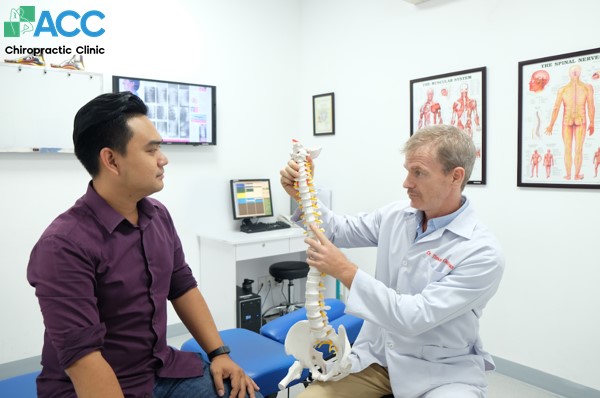
- Personalized, Multimodal Treatment Protocols: Treatment plans should be “tailor-made” to each patient’s specific characteristics, including age, physical condition, severity of injury, and medical history. A comprehensive regimen combining effective methods—such as Chiropractic Adjustments, Physical Therapy, and pain intervention when necessary—enhances treatment efficacy and shortens recovery time.
- Close Monitoring During and After Treatment: Throughout the process, patients’ progress must be closely monitored through regular follow-up visits. Doctors and professional staff are always ready to provide support and post-treatment consultation, helping patients maintain musculoskeletal health and prevent the pain from returning.
- Clear Consultation and Transparent Costs: A reputable treatment center will provide specific consultations regarding the patient’s condition, explaining the causes and severity while proposing a suitable roadmap. All costs are disclosed transparently from the beginning, allowing patients to make informed choices, with a commitment to no “upselling” or prescribing unnecessary services.
4. Frequently Asked Questions (FAQs)
In addition to the main concern about whether cycling is permissible with a herniated disc, here are answers to other related questions:
4.1. Should I cycle after herniated disc surgery?
You can typically resume cycling around the 6th week following disc surgery. However, it is essential to consult your doctor for guidance on proper techniques to avoid any negative impact on your musculoskeletal system.
4.2. Can I cycle while experiencing active pain from a herniated disc?
If you are experiencing persistent pain, numbness, or leg weakness, it is best to stop cycling immediately. In such cases, you should visit a specialist for a thorough examination and to determine the most appropriate intervention.
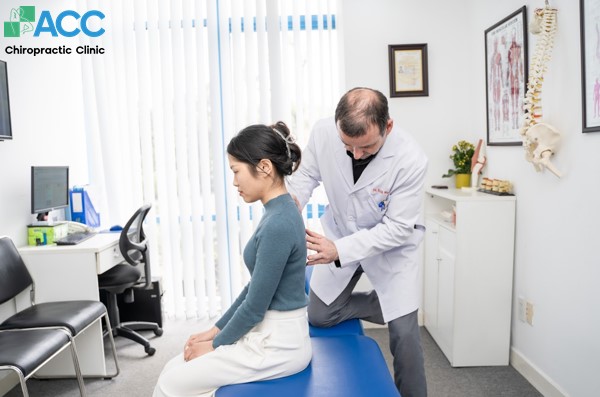
The information above addresses the common concern of whether individuals with a herniated disc can cycle. However, to ensure safety and prevent the condition from worsening, patients must consult a doctor before starting any exercise routine. Furthermore, seeking an accurate diagnosis and proper treatment at a trusted medical center plays a vital role in managing the condition and restoring spinal function.