






Contents
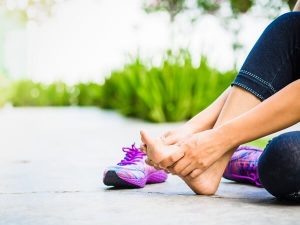
Heel pain is no stranger to runners, especially among beginners, those who overtrain, or individuals using improper running techniques. This condition significantly impacts your mobility and daily activities, causing persistent discomfort. But why does heel pain occur during running, and what are the most effective ways to treat it? Let’s find out in the article below!
1. Causes of Heel Pain After Running
There are various reasons why runners experience heel pain; specifically:
1.1. Flat Feet or High Arches
Individuals with flat feet (fallen arches) or excessively high arches are at a higher risk of developing heel pain after running. Because the feet are responsible for supporting the body’s weight, running or high-intensity activity places significant stress on the foot structure. When the arch is unable to properly absorb and distribute this impact, excessive pressure is concentrated on the heel, resulting in pain and difficulty walking.
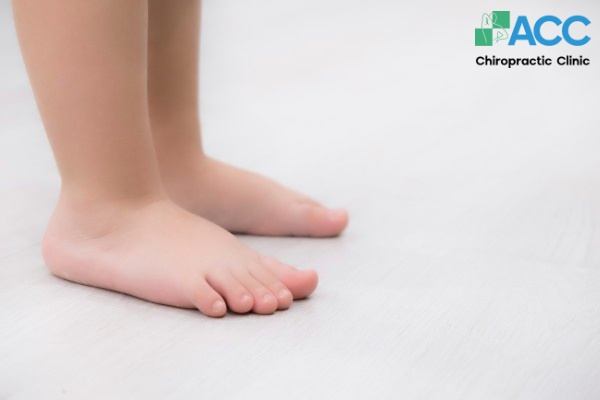
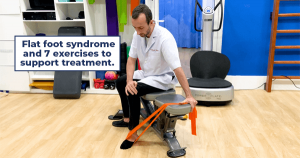
Flat feet occurs in a person who does not have an arch, which can affect the entire skeletal structure of our body significantly. To treat this condition, you can start doing 7 exercises below with the goal to form an arch. Heel stretch Roll your feet with a tennis or…
1.2. Plantar Fasciitis
Plantar fasciitis is a very common cause of heel pain among runners. It occurs when the plantar fascia – the band of tissue connecting the heel to the toes becomes irritated and inflamed due to overuse, improper footwear, running on hard surfaces, or physical trauma. Patients typically experience a sharp, stabbing pain in the heel. This pain often strikes suddenly with the first steps in the morning, gradually subsiding as the day progresses; however, it tends to flare up again after intense physical activity.
1.3. Achilles Tendonitis
Pain caused by Achilles tendonitis typically occurs at the back of the ankle or the heel during running. It is primarily caused by excessive strain and force exerted on the foot, leading to damage to the heel area. Because the Achilles tendon has a relatively limited blood supply and is composed of many fine fibers located 3-6 cm from the heel bone insertion point, even a minor sudden impact can cause significant injury.
1.4. Bursitis
Bursae are small, fluid-filled sacs located between muscles, tendons, or bones, which serve to reduce friction between moving structures. Normally, these allow your joints to move smoothly without pain. However, when a bursa becomes inflamed (bursitis), it can no longer effectively reduce friction, resulting in sharp, intense pain that often worsens at night.
1.5. Improper Foot Strike Technique or Overtraining
Incorrect landing techniques or overtraining can easily lead to injuries in the foot’s joints and muscles, causing persistent heel pain. In most cases, these issues are not severe; providing your body with adequate rest and performing regular foot massages are often sufficient for recovery.

2. Treatment Methods for Heel Pain During Running
To effectively treat heel pain caused by running, consider the following measures:
2.1. Rest
Taking time to rest is essential for healing. Resting allows the muscles and tissues to recover, alleviating heel pain. However, even as symptoms begin to subside, avoid rushing back into intense activities, as this can easily cause a relapse. Instead, incorporate gentle stretching exercises for the feet and calves, gradually increasing to 2-3 sessions per day, for 5 minutes each.
2.2. Ice Therapy
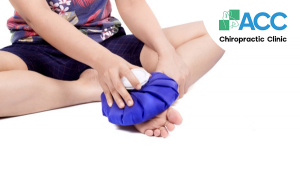
To reduce pain and inflammation, apply an ice pack to the heel area several times a day, for 15–20 minutes per session. Do not apply ice directly to the skin; always use an ice pack or wrap the ice in a soft towel to prevent cold burns.
2.3. Bracing/Splinting
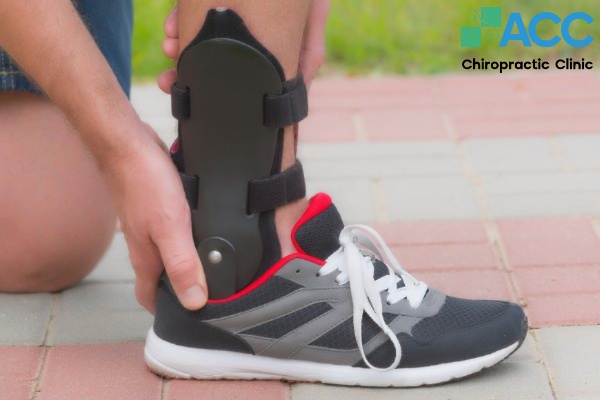
If you are struggling with running-related heel pain, a brace or splint can be an effective solution. These devices help stabilize the foot and ankle, keeping the plantar fascia in a neutral position to alleviate pressure and reduce pain. A wide variety of braces are available; ensure you select the type most appropriate for your specific condition.
2.4. Non-Steroidal Anti-Inflammatory Drugs (NSAIDs)
Many runners opt for over-the-counter NSAIDs, such as Ibuprofen (Advil, Motrin), Naproxen (Aleve, Naprosyn), or Aspirin, to reduce swelling and rapidly alleviate heel pain. However, to ensure safety and avoid unwanted side effects, always consult a healthcare professional regarding the appropriate dosage and frequency before use.
Heel pain is often a warning sign of underlying health issues such as plantar fasciitis, ankylosing spondylitis, cartilage degeneration, or bursitis. If left untreated, it can lead to serious complications, significantly impact daily movement, and even affect other parts of the body. So, how can you relieve heel pain effectively…
2.5. Heel Cups and Custom Orthotics
Heel pain while running is often rooted in flat feet. If left untreated, this condition can lead to further complications, such as plantar fasciitis, Achilles tendonitis, bursitis, and may even contribute to knee joint degeneration. To prevent these long-term issues, individuals with flat feet should seek appropriate treatment as early as possible.
Currently, the use of heel cups or custom orthotics is a safe and highly recommended treatment method for flat feet. Custom orthotics are highly regarded not only for making walking more comfortable but also for improving balance and relieving pressure on the feet, thereby correcting biomechanical abnormalities. However, not all insoles are equally effective. To achieve optimal results, orthotics must be custom-designed to match the patient’s specific foot structure and condition.
At ACC, every patient receives custom-made foot orthotics tailored in size and rigidity to their unique needs. Data is captured using state-of-the-art Swiss Cad-Cam technology for precise foot scanning, ensuring the most accurate results. We combine this with the PneuWeight Treadmill – a specialized gait analysis and retraining system to help patients improve their balance and posture.
2.6. Physical Therapy
Physical therapy employs targeted exercises combined with modern supportive equipment to effectively reduce heel pain and significantly decrease inflammation caused by running. To ensure safety and optimal therapeutic outcomes, it is crucial to seek treatment from a reputable and licensed medical facility.
2.7. Chiropractic Care
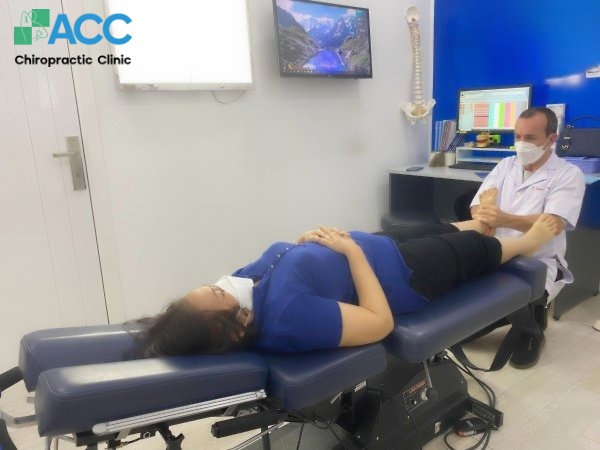
Another highly regarded, drug-free approach is Chiropractic care. This method focuses on correcting structural misalignments within the musculoskeletal system, allowing the body to heal naturally, resolve heel pain at its source, and restore full range of motion.
However, for Chiropractic care to be both safe and effective, it must be performed by highly qualified specialists. Unauthorized or untrained practitioners may inadvertently cause severe damage to ligaments, joints, or even more serious neurological injuries.
At ACC, we are proud to be a pioneer clinic licensed by the Ministry of Health to provide Chiropractic care combined with Physical Therapy and Functional Rehabilitation. At our clinic, patients are treated by an experienced team of international doctors, supported by advanced technology such as Shockwave therapy and Class IV Laser, which work to stimulate the natural recovery of damaged tissues and joints. Upon completing your treatment plan, the heel pain associated with running is significantly reduced, enabling you to live comfortably and return to your active lifestyle.
2.8. Surgery
When heel injuries have become severe to the point of significantly impairing daily activities and all conservative treatment methods have been exhausted, surgical intervention may be recommended. It is important to note, however, that while surgery may alleviate the chronic pain, the heel may not regain its original strength or full functionality. Furthermore, there remains a risk that pain may recur if the heel is subjected to strenuous physical activity post-surgery.
>> Reed more: Post-surgical Rehabilitation
3. When Should You See a Doctor?
In many cases, heel pain can be managed with home remedies. However, if symptoms do not show signs of improvement after a few weeks or if they begin to worsen, you should visit a reputable musculoskeletal clinic to receive a professional diagnosis and a tailored treatment plan.
It is particularly important to seek medical attention immediately if you experience severe heel pain that limits your mobility, or if the pain is accompanied by significant swelling and redness.
4. Prevention Tips for Running-Related Heel Pain
Heel pain after running can significantly disrupt your daily activities. To prevent this condition, consider the following measures:
4.1. Proper Foot Strike Technique
Correct landing technique is crucial to prevent any single part of the foot from bearing the entire weight of the body, which can lead to injury. Most people tend to land on their heels, which makes them highly susceptible to heel pain. Therefore, practice landing on the mid-foot or forefoot to reduce the impact force transmitted to the heel.
4.2. Choose Appropriate Running Surfaces
Avoid running on excessively hard surfaces like concrete. Instead, opt for softer terrains such as tracks, grass, or sand. Running on these surfaces or even trails helps absorb shock, thereby minimizing the impact on your feet and preventing unnecessary injuries.
4.3. Warm Up and Stretch Before and After Running
Failing to warm up or stretch before and after running subjects your muscles and joints to sudden stress, significantly increasing the risk of injury and pain. Before beginning your run, perform simple, basic exercises to loosen the muscles in your feet, ankles, and calves. Recommended exercises include calf stretches, ankle rotations, and foot arch stretches.
4.4. Use Well-Fitted, Supportive Footwear
Ensure your running shoes offer proper arch support and cushioning specifically designed for your foot type. Wearing worn-out shoes can lead to poor biomechanics; therefore, replace your running shoes every 500-800 km (300-500 miles) to maintain adequate protection.
4.5. Maintain a Healthy Weight
Excessive body weight increases the load placed on your feet and joints with every stride. Maintaining a healthy weight through a balanced diet and regular exercise can significantly reduce the pressure on your heels and lower the risk of chronic pain.

4.4. Use Well-Fitted, Supportive Footwear
Wearing well-fitted shoes with proper arch support ensures a smoother, more comfortable running experience. Quality footwear not only provides comfort but also protects your feet from the continuous impact and shock during your run. If you have high arches or flat feet, it is highly recommended to consult a chiropractic specialist before purchasing your running shoes to ensure they provide the necessary support for your unique foot structure.
4.5. Maintain a Healthy Weight
Excess body weight places significant stress on your lower body, particularly your knees, ankles, and heels while running. Over time, this chronic load can lead to joint damage and persistent pain. Maintaining a healthy weight not only protects your heels but also improves your overall comfort, mobility, and quality of life.
>> Additional information: