







Contents
- 1. What is lumbar spondylosis?
- 2. Who is at risk for lumbar spine degeneration?
- 3. What causes lumbar spondylosis?
- 4. Symptoms of lumbar spondylosis
- 5. Is lumbar spondylosis dangerous?
- 6. How is lumbar spondylosis diagnosed?
- 7. Treatment options for lumbar spine degeneration
- 8. What should be done to prevent lumbar spondylosis?
- 9. Frequently Asked Questions (FAQs)
Lumbar spondylosis is a chronic musculoskeletal condition that occurs when the spinal discs and joints degenerate, leading to the formation of bone spurs around the vertebrae. These are natural changes associated with the aging process. In addition to causing pain, lumbar spondylosis also impacts the patient’s mobility and daily activities.
1. What is lumbar spondylosis?
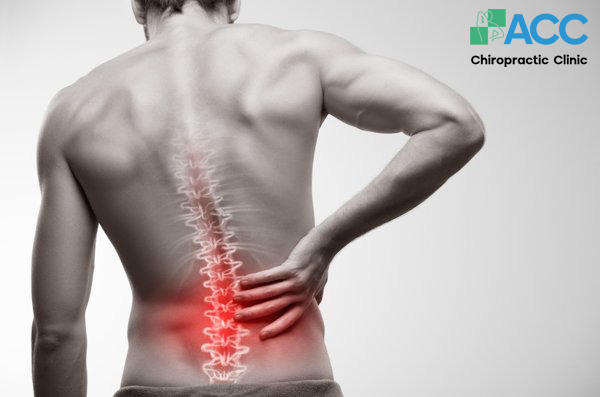
Lumbar spondylosis is a condition characterized by the degeneration of articular cartilage and spinal discs in the lumbar vertebrae (from L1 to L5). Simultaneously, the subchondral bone and synovial membrane undergo structural changes due to dehydration or aging. This is a slow-progressing musculoskeletal disorder that increases in severity over time, often causing persistent, dull pain and reducing the patient’s mobility.
Spinal degeneration (spondylosis) can occur at different locations along the spine, such as:
- Thoracic spondylosis: Affects the middle part of the spine (mid-back).
- Lumbar spondylosis: Affects the lower back.
- Multilevel spondylosis: Affects multiple segments or regions of the spine.
>> Read more: Lumbar disc herniation in young age
2. Who is at risk for lumbar spine degeneration?
Lumbar spondylosis is more likely to occur in the following seven groups:
- The Elderly: According to statistics from the American Academy of Orthopaedic Surgeons (AAOS), over 80% of people aged 60 and older suffer from lumbar degeneration.
- Certain Occupations: Office workers who frequently use computers, garment workers, porters (manual laborers), or professional drivers.
- Overweight and Obese Individuals: People carrying excess body weight.
Individuals with Prior Trauma: Those who have suffered spinal injuries from traffic accidents or have undergone spinal surgery. - Unhealthy Lifestyles: People who abuse stimulants or have a poor diet lacking essential nutrients.
- Mental Health Conditions: Individuals dealing with mental health issues such as anxiety disorders or depression.
- Genetics: People with a family history of spinal degenerative diseases.
In Vietnam, it is estimated that 89% of people aged 60-69 suffer from lumbar spondylosis. Notably, the rate among those aged 25-45 accounts for up to 30%. Furthermore, individuals over the age of 50 make up the majority of lumbar degeneration cases; therefore, people in this age group should prioritize musculoskeletal health check-ups for early detection.
3. What causes lumbar spondylosis?
Lumbar spine degeneration is primarily caused by natural aging, combined with factors such as strenuous labor, poor posture, injuries, obesity, genetics, poor nutrition, and the influence of other medical conditions (e.g., arthritis, scoliosis). These factors lead to dehydrated discs, stiffened ligaments, and the formation of bone spurs, resulting in pain and restricted mobility.
Specifically, lumbar degeneration can stem from the following causes:
- Age and Natural Aging: The natural aging process is the leading cause of lumbar spine degeneration. Over time, the function and structure of joints and bones tend to decline.
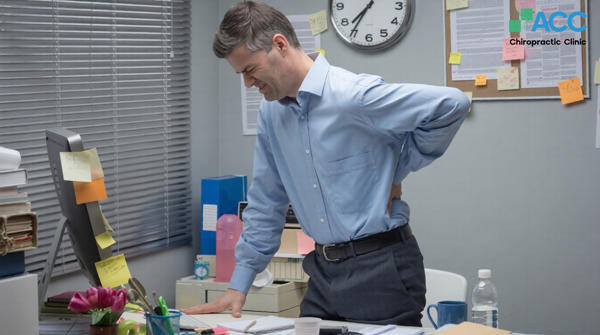
- Poor Posture: Lumbar spondylosis also stems from improper lifestyle habits, such as standing or sitting in one position for too long, sleeping in the wrong posture, or heavy lifting. These habits put excessive long-term pressure on the articular cartilage and spinal discs. As a result, the cartilage and subchondral bone become damaged, the discs lose their elasticity, and the joint capsule ligaments become stiffened (sclerotic).
- Nutritional Deficiencies: Nutrition plays a vital role in spinal health. Therefore, an unbalanced diet or metabolic disorders are significant factors that increase the risk of developing lumbar spondylosis.
- Overweight and Obesity: The lumbar spine bears most of the body’s weight during movement and physical activity. Consequently, the higher the body weight, the greater the pressure on the spine, which accelerates the risk of degeneration.
- Injuries: When the spine suffers trauma (from falls, slips, or collisions) that is not treated promptly and correctly, it can lead to degenerative conditions.
- Other Factors: Several other factors also increase the risk of lumbar spine degeneration, such as genetics, congenital abnormalities, or a history of spinal surgery.
4. Symptoms of lumbar spondylosis
Common signs of lumbar spine degeneration include a persistent, dull ache in the lower back (which intensifies with movement and eases with rest), morning stiffness, and “crepitus” (grinding or popping sounds) during motion. In some cases, it may be accompanied by numbness in the legs, muscle fatigue, and restricted range of motion. In severe stages, the pain can radiate down the legs, cause muscle weakness, and significantly impact daily activities and gait (walking posture).
- Lower Back Pain: Persistent pain in the lower back lasting for more than 6 weeks. This pain may radiate to the buttocks and both lower limbs, intensifying when the patient twists their body, lifts objects, or when the weather changes. These pain episodes can occur in cycles and last for extended periods.
- Spinal Stiffness and Restricted Mobility: The pain makes it difficult for patients to move, preventing them from performing actions such as twisting the torso or bending over.
- Numbness in Limbs: This symptom often appears at night, in the early morning, or during weather changes, causing significant inconvenience in daily life.
- Weakness or Muscle Atrophy in Lower Limbs: Lumbar spondylosis can lead to muscle atrophy in the legs. At this stage, the affected muscle groups become weak, making it difficult for the patient to maintain balance while standing or moving. This is a clear indicator that the condition has reached a severe level.
- Loss of Bladder and Bowel Control: One of the most critical signs and complications of lumbar spine degeneration is the inability to control bladder and bowel functions. If this symptom occurs, patients must seek medical attention as soon as possible for an urgent evaluation.

5. Is lumbar spondylosis dangerous?
If not treated promptly, progressing lumbar spondylosis can lead to various dangerous complications, such as spinal stenosis, herniated discs, spondylolisthesis, and lumbar radiculopathy. Furthermore, changes at the site of the degenerated vertebrae can compress neurological structures, leading to a cluster of symptoms known as neurogenic claudication (NC). These include lower back and leg pain, numbness, and muscle weakness, conditions that worsen when standing or walking and improve when sitting or leaning forward.
6. How is lumbar spondylosis diagnosed?
Lumbar spondylosis is typically diagnosed through a combination of a clinical physical examination and imaging tests. During the examination, the doctor will review your medical history, inquire about pain symptoms, and evaluate your range of motion, muscle strength, and sensory perception in the legs.
If symptoms persist for more than 6 to 12 weeks, or if “red flag” warning signs appear (such as unexplained weight loss, nocturnal pain, trauma, or risk of infection), imaging techniques may be ordered to assess for other underlying pathologies.
- X-ray: Helps measure the extent of arthritis or bone damage, such as joint space narrowing or bone spur formation.
- Magnetic Resonance Imaging (MRI): The preferred method for examining spinal nerves and identifying disc-related issues like herniation or bulging.
- Computed Tomography (CT) Scan: Highly useful for detailed evaluation of bone structure, the spinal canal, and the facet joints.
7. Treatment options for lumbar spine degeneration
The primary goals of treating lumbar spondylosis are to manage symptoms, reduce pain, improve mobility, and slow down the degenerative process using the following methods:
7.1. Conservative Treatment
- Rest: Patients should schedule appropriate rest periods and avoid sports or other high-intensity physical activities to help relieve pressure on the spine.
- Physical Therapy: To control pain and stiffness while improving mobility, doctors may prescribe exercises to strengthen the muscles surrounding the spine. Depending on the condition, therapeutic devices such as Spinal Decompression Therapy, Shockwave Therapy, etc., may be integrated to help reduce pain and inflammation and accelerate the recovery process.
- Acupuncture: Acupuncture can provide rapid relief for lower back pain. However, the pain-relieving effects of this method are often temporary because it does not address the root cause of spinal degeneration. Additionally, patients should choose reputable clinics with well-trained practitioners to avoid “losing money while the illness remains.”
- Appropriate Exercise: Patients can engage in low-impact exercises such as swimming, yoga, or walking to strengthen muscles and maintain spinal stability. To ensure safety and effectiveness, these exercises should be performed under the guidance of a doctor or a physical therapy specialist.
Below are several yoga exercises for treating lumbar spondylosis, demonstrated by Physical Therapy and Rehabilitation specialists from ACC Clinic.
7.2. Medication for Pain Relief
When pain becomes severe and persistent, many patients tend to use potent painkillers, such as Paracetamol, muscle relaxants, or local Corticosteroid injections.
With most current pain medications, patients typically only experience immediate, short-term relief; these drugs are also affordable and easy to purchase. However, long-term use can adversely affect health, and the pain often recurs once the medication is stopped. Furthermore, if Corticosteroids are discontinued abruptly or the dosage is reduced too quickly, it can lead to symptoms such as fatigue, dizziness, loss of appetite, or joint aches.

Furthermore, prolonged abuse of these medications can lead to dangerous consequences such as tinnitus, gastric ulcers or perforation, hypotension (low blood pressure), shortness of breath, and impaired liver or kidney function. Therefore, using pain medication only offers temporary relief. Patients should not over-reliance on them to prevent serious health hazards.
7.3. Surgery
Surgery is prescribed if conservative treatments fail to provide relief or in cases where lumbar spondylosis has progressed to a severe stage. Many people mistakenly believe that surgery will permanently cure the condition. However, this is a misconception; surgery cannot always resolve the pain entirely, and many patients experience a recurrence of spinal issues shortly after the procedure.
For patients who have undergone unsuccessful spinal surgery, performing another procedure is often not feasible. Repeated surgeries can severely weaken the immune system and leave behind dangerous complications such as infection, blood clotting disorders, heart attack, stroke, or even brain damage.
In general, the aforementioned methods mostly focus on symptom management and providing partial pain relief. To avoid surgery or the risk of severe complications as spinal degeneration advances, it is best for patients to visit a reputable musculoskeletal specialist early on. This ensures a thorough examination to reach an ACCURATE DIAGNOSIS and a CORRECT TREATMENT plan using a SCIENTIFIC PROTOCOL.
Operating under the motto “Correct Treatment – Healing the Pain,” which promotes natural recovery without drugs, surgery, or pain, ACC Clinic (a member of the FV Group and Thomson Medical Group Singapore) is a pioneer in applying Chiropractic therapy for lumbar spondylosis. Patients are examined and treated by a team of 100% foreign doctors who are leading experts in the field of Chiropractic, ensuring precise technical execution.
Based on the principle of the relationship between the nervous system and the spine, a Chiropractor uses gentle manual force to adjust misaligned spinal structures back to their natural positions, effectively improving conditions related to spinal degeneration.
Furthermore, to help patients quickly return to their normal lives and ensure long-term treatment outcomes, ACC doctors combine Chiropractic with Physical Therapy and the Pneumex PneuBack treatment program. For added peace of mind, each patient receives an active Rehabilitation plan consisting of specialized exercises. This approach enhances muscle and joint strength, achieving long-term therapeutic results and effectively preventing the recurrence of pain.
>> Don’t let mild pain become severe. Choose the right path from the start for sustainable health every day. [Contact ACC] to schedule your examination now!
8. What should be done to prevent lumbar spondylosis?
To prevent and reduce the risk of recurrence, Dr. Timothy Gallivan (ACC Clinic) encourages both young and middle-aged individuals to adjust their lifestyle as follows:
- Improve Nutrition: Increase the intake of foods rich in Vitamin D, Calcium, and Magnesium to strengthen the skeletal system and maintain spinal flexibility.
- Maintain Proper Posture: Keep your back straight while studying or working. If you must sit for long periods, stand up and walk around every 30-45 minutes to relax your muscles and joints. Office workers, in particular, should incorporate lower back stretching exercises.
- Engage in Suitable Physical Activity: Individuals under 40 with mild lumbar degeneration can perform activities such as walking, calisthenics, or swimming to increase muscle and joint endurance.
- Safe Lifting Practices: Manual laborers should avoid carrying heavy objects for extended periods and refrain from bending at the waist to lift heavy loads.
- Establish a Healthy Rest Schedule: Ensure adequate and consistent sleep. Aim to minimize excessive stress and avoid prolonged heavy lifting.
- Proactive Screening: Schedule periodic spinal check-ups to detect and treat conditions early, preventing serious complications.
- Seek Early Intervention: When unusual musculoskeletal pain appears, patients should consult a doctor immediately for a diagnosis and timely intervention.
9. Frequently Asked Questions (FAQs)
While researching what lumbar spondylosis is, many people share common concerns, such as:
9.1. Can lumbar spondylosis heal on its own?
Lumbar spondylosis is a natural aging process and cannot be completely cured, as damaged bone structures cannot return to their original state. Applying treatment methods for lumbar spine degeneration can only manage symptoms and slow down the progression of the disease.
Therefore, patients should consult a doctor early if they experience lower back pain lasting more than a few days or severe pain that affects daily activities. This ensures timely intervention and prevents the risk of serious complications.
9.2. When can I resume sports after treating lumbar spondylosis?
Individuals recovering from spinal degeneration typically need at least a few weeks (and sometimes up to several months) before they can return to high-intensity physical activities or sports. Therefore, it is best to consult with your doctor for a proper assessment to ensure the safety of your joints and spine.
Conclusion: Lumbar spondylosis is a common musculoskeletal condition in modern society that severely impacts mobility and a patient’s quality of life. To effectively treat a degenerated spine, patients should consider methods that realign misaligned vertebrae to their natural positions, such as Chiropractic therapy at ACC Clinic.
>> Learn more: What to Eat and Drink for Healthy Bones and Joints?