







Contents
A bulging disc is a mild form of disc herniation. At this stage, patients may experience spinal pain, though it may not yet be distinct. If not actively treated from the onset, the condition can progress into a full disc herniation, leading to various dangerous complications.
1. What is a Bulging Disc?
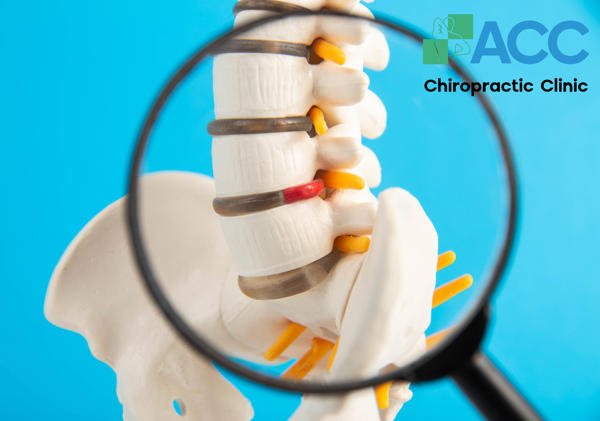
This is the initial stage of disc herniation, occurring when the outer layer (annulus fibrosus) of the disc weakens and bulges out beyond its normal boundary. As the outer shell continues to weaken, the inner core (nucleus pulposus) may protrude or herniate through cracks, increasing the risk of nerve compression.
The primary causes of this condition include the natural degenerative joint process due to aging or mechanical stress (such as bending or lifting objects with improper posture).
2. What are the harmful effects of a bulging disc?
A bulging or protruding disc can lead to issues such as pinched nerves, back pain, full disc herniation, and muscle weakness. The details of these effects are as follows:
2.1. Nerve Compression
When a disc bulges out of its normal position, it can press against spinal nerve roots or the spinal cord. Consequently, patients may find it difficult to stand or move, while experiencing numbness, tingling, or weakness radiating down the arms or legs.
2.2. Back Pain
When a bulging disc compresses a nerve, patients will experience back pain. This pain can radiate down to the buttocks and legs (commonly known as sciatica).
2.3. Disc Herniation
Prolonged disc bulging eventually leads to a full disc herniation. Therefore, this condition is often regarded as an early warning sign of herniated discs.
2.4. Muscle Weakness
As the disc bulges and compresses nearby nerves, it interferes with the transmission of signals to the muscular system. This can lead to muscle weakness and, over time, significantly limit the body’s mobility.
3. Diagnostic Methods
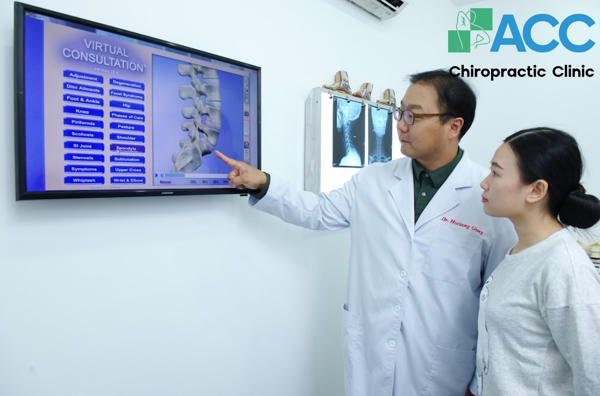
To diagnose a bulging disc, doctors will review the patient’s medical history through questions regarding lifestyle, occupation, and favorite sports. This is combined with clinical examinations and diagnostic imaging. The details are as follows:
- Medical History Intake: The doctor gathers history through questions about lifestyle, job nature, daily habits, and sports participation to identify the underlying causes of the condition.
- Clinical Examination: An assessment of the spinal condition, range of motion, and nerve reflexes in the arms and legs.
- Diagnostic Imaging: Procedures such as X-rays, CT scans, or MRI are performed to evaluate the extent of the disc bulge.
4. Methods for Pain Relief and Treating Bulging Discs
Common treatments for a bulging disc include heat and cold therapy, gentle exercise, and pain medication. Below are the details for each approach:
At-Home Pain Relief Methods:
- Heat and Cold Therapy to reduce inflammation and soothe pain: Start by applying cold packs to the affected area for the first few days, then switch to heat therapy to help relax the muscle groups.
- Gentle Exercise: Prolonged bed rest can weaken joints and muscles, worsening the pain and hindering the body’s natural recovery. Therefore, you should spend at least 30 minutes a day walking or performing light exercises to enhance joint flexibility.
- Pain Medication: For mild pain, patients may use over-the-counter (OTC) pain relievers such as acetaminophen or NSAIDs. For severe bulging disc pain, a doctor may prescribe stronger analgesics or a short course of steroids.
Medical Treatment Methods:
- Surgery: In cases of severe disc bulging that causes intense pain, weakness, numbness, and limited mobility, surgical intervention may be required.
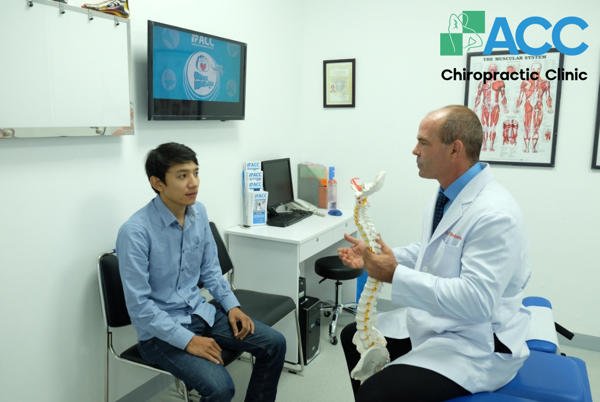
- Chiropractic Care: This is a non-invasive method where doctors use their hands to perform gentle adjustments to realign the vertebrae to their proper positions. This process releases pressure on surrounding nerves, allowing the disc to return to its natural balanced state without the use of drugs.
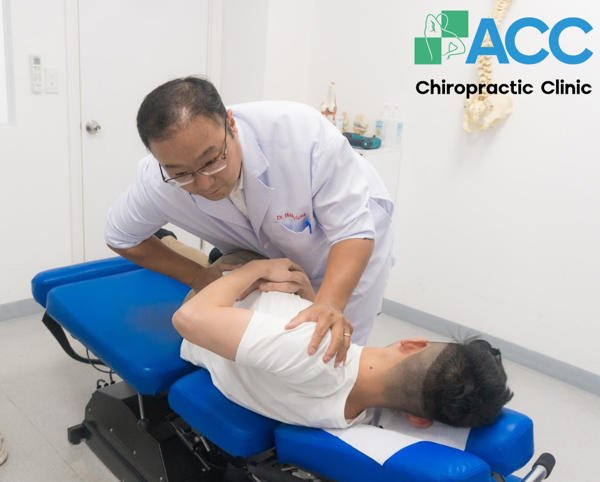
However, as Chiropractic involves direct adjustments to the spine, nervous system, and joints, it requires doctors to possess professional licenses, in-depth anatomical knowledge, and solid clinical experience. Receiving treatment at a specialized medical facility ensures a safe process, supported by advanced equipment, close monitoring of bodily responses, and timely intervention if any issues arise.
To find a reputable Chiropractic clinic, you should consider the following criteria:
- A specialized team of Chiropractors: A leading medical facility will have a team of doctors who have undergone formal training, including 4 years of general undergraduate studies, 2 years of advanced science, and 4 years of specialized chiropractic education. Furthermore, a qualified Chiropractor must have a minimum of 900 hours of clinical practice at an intensive Chiropractic center. This enables them to accurately and effectively diagnose and treat musculoskeletal conditions.
- Affiliation with renowned medical groups: Reputable facilities are often part of prestigious international medical groups with long-standing operations in Vietnam (such as Thomson Medical Group – a leading healthcare provider from Singapore). These clinics offer professional and comprehensive examination and treatment protocols. Here, patients receive thorough clinical exams and screening for underlying risks to prevent the condition from progressing into serious complications.
- Personalized conservative treatment plans: Depending on the specific condition of each patient’s bulging disc, doctors will consult and design a customized roadmap. This often involves Chiropractic care combined with other necessary modalities (such as Physical Therapy, pain management interventions, etc.). This personalized approach ensures optimal conservative treatment outcomes and shortens recovery time.
5. How to prevent the risk of a bulging disc?
To prevent the risk of a bulging or protruding disc, you should practice proper lifting techniques, maintain a healthy weight, and observe correct posture in daily activities. Details are as follows:
- Proper Lifting Techniques: Bend your knees, keep your back straight, and use your leg muscles to support the weight; do not bend at the waist.
- Maintain a Healthy Weight: Excess weight increases pressure on the spine, making the discs more susceptible to bulging or herniation.
- Maintain Correct Posture: Practice good posture while walking, standing, sitting, or sleeping. For example: Stand tall with shoulders back and a straight spine. Sit with both feet flat on the floor or balanced. Sleep on a mattress with moderate firmness and support, and avoid sleeping on your stomach.
- Perform Stretching Exercises: Incorporate stretches when sitting for prolonged periods.
- Limit Wearing High Heels.
- Exercise Regularly: Focus on strengthening the core, lower back, and leg muscles.
- Quit Smoking and Maintain a Nutrient-rich Diet.
6. Frequently Asked Questions (FAQs)
The following is a summary and answers to common concerns regarding bulging discs:
6.1. What is a bulging vertebra in the lower back?
A bulging vertebra (disc protrusion) is a condition where the nucleus pulposus begins to push outward, causing the annulus fibrosus to bulge. This is often due to the natural degenerative process over time or a sudden injury, resulting in lower back pain. When the protruding disc compresses the spinal cord or nerve roots, the patient may experience radiating pain down the legs, numbness, muscle weakness, or even sciatica.

6.2. Can a bulging disc heal on its own?
No, it cannot. Many patients experience temporary relief after taking pain medication and often assume the bulging disc will resolve itself over time. However, pain relievers only mask the symptoms temporarily and cannot restore the disc to its original position. Therefore, if you notice any spinal abnormalities, you should seek a medical examination early; the sooner the diagnosis, the higher the chance of successful recovery.
6.3. Is there a difference between a bulging disc and a herniated disc?
A bulging disc is a mild stage of disc herniation. In this condition, the disc protrudes but the annulus fibrosus (outer ring) has not yet ruptured. A herniated disc is a more severe condition where the nucleus pulposus (inner core) has leaked out and is severely compressing the nerve roots.
6.4. Can a bulging disc be cured?
Yes. A bulging disc can be treated using methods such as surgery or Chiropractic care.
The information above is intended to help you better understand bulging discs and effective treatment solutions. As soon as symptoms are detected, you should visit a specialized medical facility for a thorough examination, monitoring, and root-cause treatment. This will help you find quick relief from pain and return to your normal daily life.
>> Related posts: