






Contents
- 1. Causes of Lower Back Pain in Women
- 1.1. Herniated/Degenerated Disc
- 1.2. Lumbar Spinal Degeneration
- 1.3. Osteoporosis
- 1.4. Sciatica
- 1.5. Muscle Strain
- 1.6. Sacroiliac (SI) Joint Dysfunction
- 1.7. Premenstrual Syndrome (PMS)
- 1.8. Menopause-Related Back Pain
- 1.9. Gynecological Conditions
- 1.10. Renal (Kidney) Health
- 1.11. Pregnancy-Related Back Pain
- 1.12. Menstrual Back Pain (Dysmenorrhea)
- 1.13. Postural and Lifestyle Stressors
- 2. Is Lower Back Pain in Women Dangerous?
- 3. When to See a Doctor: “Red Flag” Symptoms
- 4. Home Remedies for Lower Back Pain
- 5. Clinical Solutions for Lasting Recovery
Lower back pain in women can be attributed to various factors, ranging from common causes to underlying medical conditions. This article details the causes of lower back pain specific to women and provides guidance on when a doctor’s consultation is necessary.
1. Causes of Lower Back Pain in Women
Causes of lower back pain in women include:
1.1. Herniated/Degenerated Disc
In most cases, lower back pain in women after age 40 is caused by herniated or degenerated discs. When the outer fibrous capsule ruptures, the fluid inside the disc escapes, compressing the spinal nerves, causing pain in the lower back that radiates down the buttocks, thighs, and legs.
1.2. Lumbar Spinal Degeneration
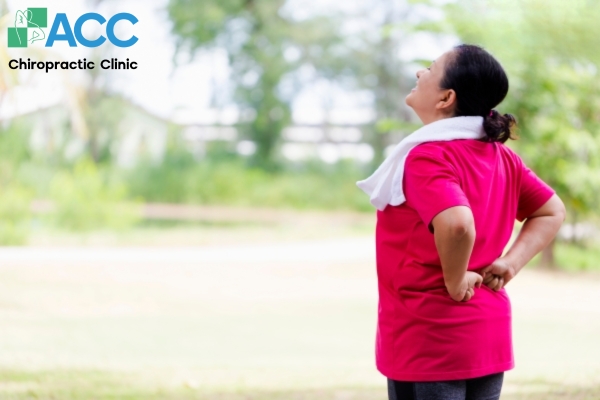
Lumbar spinal degeneration is a leading cause of lower back pain, particularly in aging populations. As the vertebral body (the thick, oval bone at the front of the vertebra) undergoes wear and tear, the body often compensates by developing bone spurs (osteophytes).
The Mechanism: These spurs can compress intervertebral discs or irritate adjacent nerve roots.
Symptoms: Patients often experience sudden, intense localized pain that may radiate (sciatica) down the leg.
1.3. Osteoporosis
Osteoporosis is a systemic condition frequently responsible for left-sided lower back pain in postmenopausal women. The primary driver is a significant drop in estrogen levels, which disrupts the bone-remodeling cycle—causing bone resorption to outpace new bone formation.
The Result: This leads to vertebral compression fractures, where the bone structurally fails under normal pressure.
Symptoms: * Acute, localized back pain.
Pain that may radiate toward the front of the abdomen (often leading to a misdiagnosis of gastrointestinal or kidney issues).
1.4. Sciatica
Sciatica is a hallmark cause of lower back pain in women, typically occurring when the sciatic nerve is compressed by a herniated disc or bone spur.
Pain Profile: The sensation ranges from a dull ache to a sharp, electric-shock feeling. It characteristically radiates from the lumbar spine, through the buttocks, and down the posterior (back) of the leg.
Aggravating Factors: Pain typically intensifies during sudden movements, such as coughing or sneezing, or during physical actions like bending and stooping.
1.5. Muscle Strain
Lower back strain is an injury to the muscles or tendons in the lumbar region. This often manifests as sudden, acute pain following physical exertion.
Common Triggers:
Improper Lifting: Picking up heavy objects using the back instead of the legs.
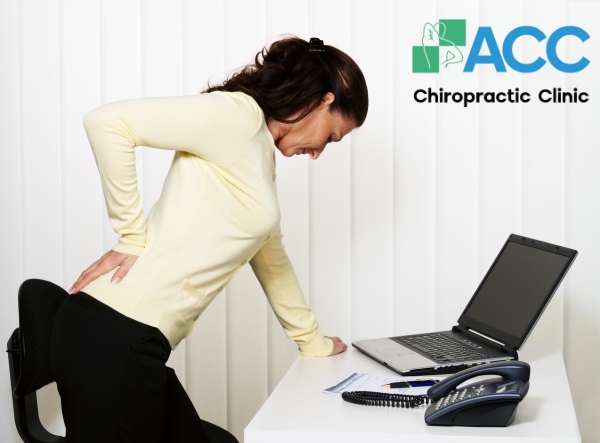
Postural Stress: Prolonged use of high heels or sitting in fixed positions (e.g., long commutes/vibrations from car rides).
Mechanical Stress: Excessive twisting or repetitive manual labor.
The Spasm Cycle: Continuous strain can trigger severe muscle spasms—the body’s way of “splinting” the injury—which can significantly restrict mobility and interfere with daily life.
1.6. Sacroiliac (SI) Joint Dysfunction
Dysfunction or inflammation of the sacroiliac joints—which connect the lower spine to the pelvis—is a frequent source of lumbar distress.
Pain Location: Primarily felt in the lower back or buttocks, occasionally radiating down the leg (mimicking sciatica).
Aggravators: Symptoms typically worsen with asymmetrical loading, such as climbing stairs, or during prolonged periods of standing.
1.7. Premenstrual Syndrome (PMS)
For many women, lower back pain is a cyclical symptom occurring roughly one week before menstruation.
Symptoms: Acute lower back pain often coincides with breast tenderness, bloating, gastrointestinal changes (diarrhea/constipation), and mood fluctuations.
Duration: Typically subsides shortly after the menstrual cycle begins.
1.8. Menopause-Related Back Pain
Postmenopausal women are at a higher risk for chronic back pain due to systemic biological shifts:
Estrogen Deficiency: Lower estrogen levels accelerate the degeneration of intervertebral discs, reducing their cushioning effect.
Physiological Osteoporosis: Reduced bone density leads to micro-fractures and structural instability.
Soft Tissue Stiffening: Hormonal changes cause ligaments and tendons around the spine to lose elasticity, increasing stiffness.
1.9. Gynecological Conditions
Pain in the lumbar and flank regions can be a referred symptom of underlying gynecological issues:
Inflammatory/Structural: Conditions like Pelvic Inflammatory Disease (PID), uterine prolapse, or fibroids.
Compressive: Large ovarian cysts or tumors can physically compress pelvic nerves and organs, manifesting as deep back pain.
1.10. Renal (Kidney) Health
Back pain is not always musculoskeletal; it can be a critical indicator of renal distress or failure.
Nature of Pain: Often felt as a deep, dull ache in the “flanks” (one or both sides of the lower back).
Systemic Signs: If left untreated, the pain may radiate toward the chest and be accompanied by shortness of breath, muscle spasms, and fluid retention.
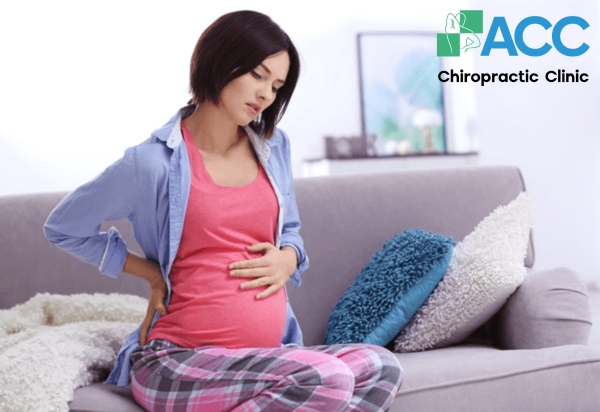
1.11. Pregnancy-Related Back Pain
During pregnancy, the body undergoes rapid biomechanical changes that tax the spine.
Hormonal Shift: The hormone relaxin loosens ligaments in the pelvic area to prepare for birth, which can decrease spinal stability.
Mechanical Shift: Rapid weight gain and a shifting center of gravity put excessive pressure on the tailbone and lumbar curve, often radiating into the waist or legs.
1.12. Menstrual Back Pain (Dysmenorrhea)
Lower back pain during menstruation—clinically termed primary dysmenorrhea—typically lasts for the first 1–3 days of the cycle.
The Cause: During menstruation, the body releases prostaglandins, chemicals that trigger uterine contractions to shed the lining. High levels of prostaglandins can cause intense contractions that restrict blood flow to nearby muscles, resulting in a dull, aching sensation that radiates from the lower abdomen to the lower back, hips, and thighs.
1.13. Postural and Lifestyle Stressors
Daily habits and ergonomic errors are often the “silent” culprits behind chronic female back pain.
Static Posture Strains: Activities like bending over a sink, squatting while cleaning, or “slumping” while sitting put uneven pressure on spinal ligaments.
The High-Heel Effect: Frequently wearing high heels shifts the body’s center of gravity forward, forcing the lumbar spine into an unnatural arch (hyperlordosis), which strains the lower back muscles.
Nutritional Deficiencies: Diets lacking in Calcium, Vitamin D, and Magnesium weaken bone density and muscle function, making the spine more susceptible to injury or herniated discs during sudden movements like twisting or reaching.
2. Is Lower Back Pain in Women Dangerous?
The “danger level” of back pain depends entirely on its origin.
Low Risk: Pain caused by menstruation, pregnancy, or minor postural strain is generally manageable. These cases can often be resolved through ergonomic adjustments, gentle stretching, and lifestyle changes—such as maintaining a neutral spine during daily tasks.
High Risk: Pain that stems from organ dysfunction (kidney disease), systemic inflammation (advanced osteoarthritis), or gynecological pathologies (tumors/cysts) is considered dangerous. If left untreated, these conditions can lead to permanent nerve damage, bone loss, or reproductive complications.
3. When to See a Doctor: “Red Flag” Symptoms
If your back pain does not improve with rest or is accompanied by any of the following, seek medical evaluation immediately:
- Mobility & Nerve Function
- Pain so severe that it prevents standing, walking, or basic self-care.
- Persistent numbness, tingling, or weakness in the legs.
- Loss of bowel or bladder control (this may indicate a medical emergency).
- Systemic & Internal Warning Signs
- Back pain accompanied by a fever or chills.
- Severe abdominal pain or symptoms of endometriosis (extremely heavy/painful periods).
- Localized pain following a significant fall or physical accident.
- Pregnancy-Specific Alerts
- Lower back pain occurring alongside vaginal bleeding, fever, or painful urination (dysuria), as these can indicate preterm labor or infections.
4. Home Remedies for Lower Back Pain
Most mild to moderate lower back pain can be managed at home using these evidence-based techniques to promote healing and restore mobility.
4.1. Thermal Therapy (Heat & Cold)
- Cold Therapy (First 48 Hours): For sudden strains or injuries, apply an ice pack for 15–20 minutes several times a day. This constricts blood vessels to reduce inflammation, swelling, and bruising.
- Heat Therapy (Chronic Pain): For ongoing stiffness or menstrual cramps, apply a heating pad or take a warm bath. Heat dilates blood vessels, increasing the flow of oxygen and nutrients to the area to relax tight muscles and improve flexibility.
4.2. Pharmacological Support
Over-the-counter (OTC) medications can be highly effective for managing inflammation and menstrual-related pain:
- NSAIDs: Medications like Ibuprofen, Naproxen, or Aspirin target the hormonal compounds (prostaglandins) that cause menstrual cramping and back pain.
- Safety Warning: Always follow the recommended dosage. Long-term or excessive use of NSAIDs can lead to serious complications, including gastric ulcers/bleeding, kidney stress, and liver toxicity. Consult a healthcare provider if you require these medications for more than a few days.
4.3. Gentle Movement & Stretching
While your first instinct may be to stay in bed, “active rest” is often more effective for recovery:
- Stretching: Focus on gentle movements like the Cat-Cow or Child’s Pose to decompress the spine and reduce muscle guarding.
- Prevention: Regular, low-impact exercise (like walking or swimming) strengthens the core, which acts as a “natural brace” to prevent the recurrence of back pain.
- Footwear: Switch from high heels to supportive, flat shoes to realign your center of gravity.
5. Clinical Solutions for Lasting Recovery
To achieve a permanent “cure” for lower back pain, the treatment must address the root cause rather than just masking the symptoms. Depending on your diagnosis, specialized clinical interventions may be necessary to restore spinal integrity.
5.1. The Chiropractic & Physiotherapy Approach
For musculoskeletal and spinal disorders, a multidisciplinary approach is often the most effective path to long-term health.
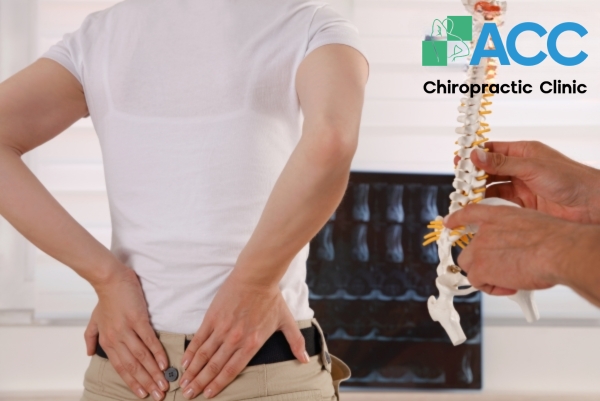
- Chiropractic Therapy: Doctors perform precise spinal adjustments to correct misalignments (subluxations), removing pressure from compressed nerves and restoring natural joint mobility.
- Physiotherapy & Rehabilitation: Personalized exercise programs strengthen the core and lumbar muscles, providing a “natural corset” to protect the spine from future injury.
5.2. Advanced Medical Technology
Modern spinal clinics utilize specialized equipment to accelerate healing and non-invasively treat complex conditions like herniated discs or degenerative joint disease:
- DTS Spinal Decompression: A traction-based technology that gently stretches the spine, creating negative pressure within the discs to encourage the retraction of herniated material and the intake of healing nutrients.
- Vertetrac Lumbar Decompression: A mobile device that allows for decompression while the patient is active, targeting the lower back to relieve vertical pressure.
- ATM2 (Active Therapeutic Movement): A rehabilitation machine designed to retrain the central nervous system to perform movements without pain, “resetting” the body’s posture and muscle activation patterns.
Conclusion: Prioritizing Your Spinal Health
The causes of lower back pain in women are diverse, ranging from routine physiological cycles to complex musculoskeletal and systemic conditions. Understanding these triggers is the first step toward reclaiming your mobility.
The takeaway is clear: Do not dismiss persistent discomfort as a normal part of aging or a busy lifestyle. By proactively monitoring your symptoms and seeking professional evaluation at the first sign of irregularity, you significantly improve your prognosis and speed of recovery.
Listen to your body, advocate for your health, and seek expert care early to ensure a pain-free, active future.