







Contents
- 1. Benefits of Exercises for Lumbar Spine Degeneration
- 2. A Compilation of 12 Effective Exercises for Lumbar Spondylosis
- 2.1. Single Knee-to-Chest Stretch
- 2.2. Spinal Mobilization Exercise
- 2.3. Hip Abductor Stretch (Outer Thigh)
- 2.4. Abdominal Crunches – An Effective Exercise for Lumbar Spondylosis
- 2.5. Double Knee-to-Chest Raise
- 2.6. Hamstring Stretch
- 2.7. Side Stretch / Lateral Trunk Stretch
- 2.8. Back Strengthening and Balance Exercise
- 2.9. Exercises for Lumbar Spondylosis – Locust Pose
- 2.10. Exercises for People with Spinal Degeneration – Child’s Pose
- 2.11. Lizard Pose
- 2.12. Bridge Pose
- 3. Key Considerations When Exercising for Lumbar Spine Degeneration
Currently, researching and practicing 12 lower back exercises at home is a popular method for many seeking to improve their condition. Below, ACC has compiled 12 easy-to-perform exercises for lumbar spine degeneration. Let’s dive in!
1. Benefits of Exercises for Lumbar Spine Degeneration
Maintaining a regular exercise routine for lumbar spondylosis plays a crucial role in preventing muscle stiffness and atrophy caused by a sedentary lifestyle. These exercises help enhance the flexibility and suppleness of the musculoskeletal system. Furthermore, they naturally decompress the spine, which alleviates pressure on the nerves and effectively helps reduce pain and discomfort.
2. A Compilation of 12 Effective Exercises for Lumbar Spondylosis
To improve lumbar spine degeneration, you can practice exercises such as the single knee-to-chest stretch, spinal mobilization, abdominal crunches, and hip abductor stretches. Let’s explore the details of these 12 exercises below:
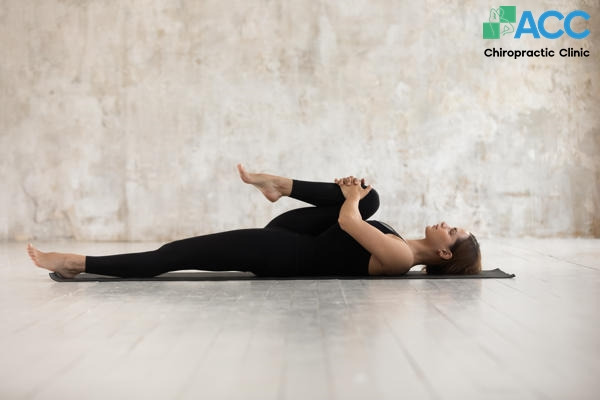
2.1. Single Knee-to-Chest Stretch
Performing the single knee-to-chest stretch helps elongate the muscle groups in the lower back, thereby reducing pressure on the affected vertebrae. This is a relatively simple exercise for lumbar degeneration that any patient can practice to alleviate pain.
Instructions:
- Step 1: Lie flat on your back on a bed or the floor.
- Step 2: Keep one leg straight, flex your foot upward (toes toward the shin), and press your heel firmly against the floor/bed surface.
- Step 3: Bend the other knee, use both hands to pull the knee close to your chest, and take a deep breath in.
- Step 4: Slowly extend the leg back to the starting position while exhaling gently.
- Step 5: Switch legs and repeat the process.
2.2. Spinal Mobilization Exercise
This movement focuses on enhancing the flexibility of the vertebral joints, helping to reduce morning stiffness. It is one of the fundamental spinal exercises that stimulates blood circulation and improves the nourishment of joint cartilage.
Instructions:
- Step 1: Lie flat on your back on the floor with your hands interlaced behind your neck.
- Step 2: Press your lower back firmly against the floor and lift your buttocks off the ground while exhaling slowly.
- Step 3: Then, gradually arch your back away from the floor while keeping your buttocks pressed against the ground, combined with a deep inhalation.
- Note: To ensure effectiveness, these two movements should be performed alternately without returning to the initial flat position.
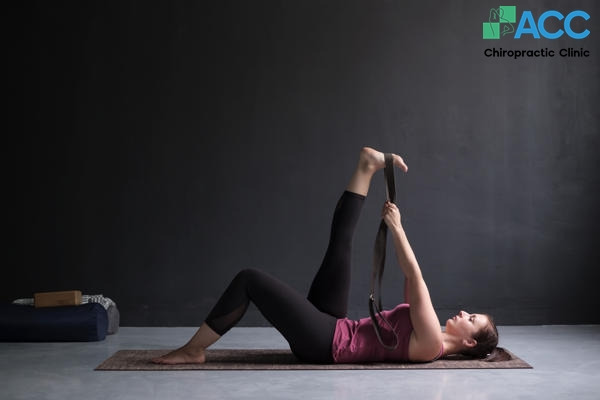
2.3. Hip Abductor Stretch (Outer Thigh)
Stretching the abductor muscle group helps release tension in the hips and thighs, providing indirect pressure relief for the lumbar spine. When performed with the correct technique, this exercise helps balance the pelvis and minimizes accompanying sciatica pain.
Instructions:
- Step 1: Lie flat on your back on the floor, hands interlaced behind your neck or placed at your sides.
- Step 2: Keep one leg straight and pressed against the floor.
- Step 3: Raise the other leg to a 45-degree angle, rotate the heel toward the foot that is resting on the floor, and breathe in deeply.
- Step 4: Keep your buttocks pressed to the floor and your knee straight, then slowly lower your leg while exhaling.
- Step 5: Switch sides and repeat the movement.
- Note: You can use supporting tools such as a yoga strap if desired.
2.4. Abdominal Crunches – An Effective Exercise for Lumbar Spondylosis
Weak abdominal muscles are one of the reasons why the lumbar spine loses its solid support, making it more vulnerable to injury. Regularly practicing abdominal crunches helps strengthen the core muscles, thereby stabilizing the spinal structure and reducing direct pressure on the degenerating vertebrae.
Instructions:
- Step 1: Lie flat on the floor with your knees together, feet flat on the ground, and arms crossed over your chest.
- Step 2: Slowly lift your head and shoulders off the floor until you feel your abdominal muscles contract.
- Step 3: Hold for 3 seconds, then lower back down to the starting position.
- Step 4: Repeat approximately 10 times.
2.5. Double Knee-to-Chest Raise
Performing this lumbar spine exercise helps expand the space between the vertebrae, releasing nerve compression. This method not only provides immediate pain relief but also supports the stability and flexibility of the entire lower back area.
Instructions:
- Step 1: Lie on your back on the floor, bend your knees, and place your feet flat on the floor.
- Step 2: Keep your back pressed against the floor, then pull both knees up toward your chest and hold for 5 seconds.
- Step 3: Relax and repeat the movement about 10 times.

2.6. Hamstring Stretch
Spinal instability can put pressure on the hamstrings, thereby increasing pain and discomfort. Therefore, performing hamstring stretches is also an effective way to reduce pain caused by spinal degeneration.
Instructions:
- Step 1: Sit on the floor with both legs extended straight in front of you, toes pointing toward the ceiling.
- Step 2: Slowly lean your torso forward, reaching your hands toward your toes until you feel a stretch in the back of your legs.
- Step 3: Hold the position for 30 seconds and repeat this movement approximately 3 times.
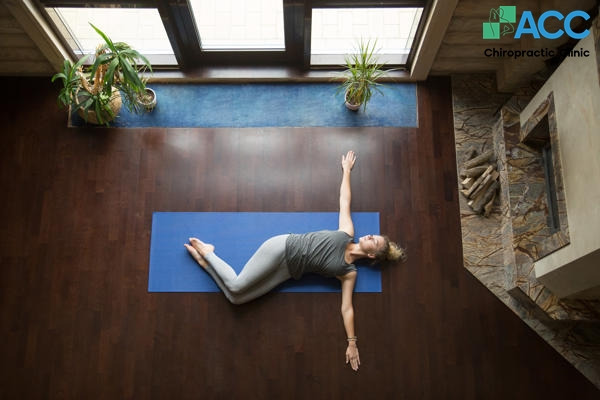
2.7. Side Stretch / Lateral Trunk Stretch
If you are looking for a method to enhance flexibility and alleviate stiffness in the paraspinal muscles, the side stretch is an ideal choice. This movement helps increase the range of motion of the spine, making it easier for patients to turn their bodies and minimizing pain caused by muscle spasms.
Instructions:
- Step 1: Lie on your back on the floor, placing your hands behind your neck or out to the sides.
- Step 2: Keeping your back flat, slightly bend your knees and tilt both legs to one side (as close to the floor as possible) while breathing in.
- Step 3: Return to the starting position while exhaling.
- Step 4: Switch sides and repeat this corrective exercise for spinal degeneration.
2.8. Back Strengthening and Balance Exercise
This movement helps strengthen the deep muscle groups around the spine, creating a “natural back brace” to protect the lumbar vertebrae. When these muscle groups are strong, the pressure on the spinal discs is significantly reduced, supporting a better recovery process.
Instructions:
- Step 1: Place both hands flat on the floor and kneel (knees together, toes pointing straight back).
- Step 2: Keep your head and back aligned with your spine, then extend your right arm straight forward. Next, slowly extend your left leg straight back while inhaling.
- Step 3: Lower your arm and leg, returning to the starting position while exhaling gently.
- Step 4: Switch sides and repeat the same movement.
- Note: You must keep your head, back, arms, and legs straight while performing this exercise.
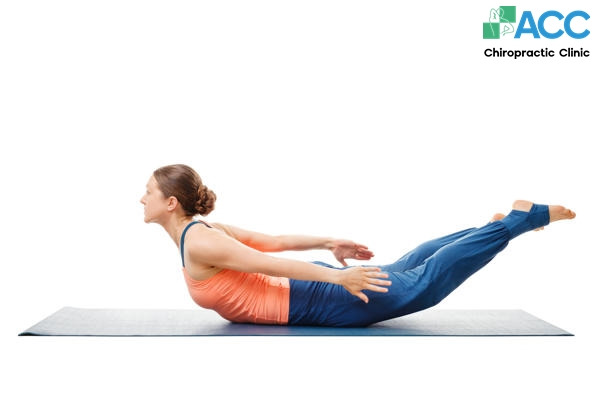
2.9. Exercises for Lumbar Spondylosis – Locust Pose
The Locust Pose is an excellent exercise for spinal degeneration that activates the entire posterior chain from the neck down to the heels. This exercise not only strengthens the back muscles but also improves the weight-bearing capacity of the lumbar spine against daily impacts.
Instructions:
- Step 1: Lie face down on a mat or the floor, turning your face to the left or right. Place your arms along your body with palms facing down, keep your legs together, and breathe evenly.
- Step 2: Keep the left leg still, inhale gently, and lift the right leg high. Hold your breath and maintain the position for about 5 seconds. Then, exhale slowly and lower the leg.
- Step 3: Breathe evenly, rest for about 5 seconds, and perform the same steps with the other leg.
- Note: When performing this exercise, alternate between both legs about 5 times on each side.
2.10. Exercises for People with Spinal Degeneration – Child’s Pose
Child’s Pose is a yoga movement that helps relieve stress and effectively supports recovery for those with lumbar spondylosis. You can perform this at the beginning or end of your session to gently stretch the back muscles, allowing the entire body to achieve maximum relaxation.
Instructions:
- Step 1: Start by kneeling on the floor, sitting comfortably on your heels with your back straight and arms along your sides.
- Step 2: Slowly fold your torso forward while sliding your hands along the floor in front of you, palms facing down, until your arms are fully extended.
- Step 3: Maintain this pose for about 7 seconds, breathing deeply and steadily, then slowly lift your body back to the starting position.
2.11. Lizard Pose
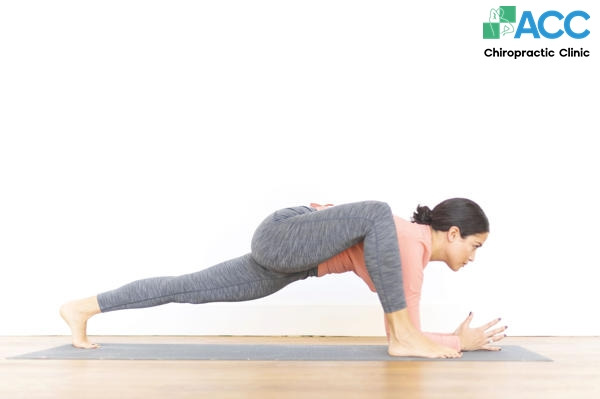
In the list of top exercises for spinal degeneration, the Lizard Pose is a must-include. However, this is a more advanced movement; it should be practiced under the guidance of a specialist to avoid injury.
Instructions:
- Step 1: Begin in Downward-Facing Dog: Place your hands and knees on the floor (hands shoulder-width apart, knees hip-width apart), then inhale and lift your knees to push your body into an inverted “V” shape.
- Step 2: Slowly lower your hips so your head, back, and buttocks form a straight line, while lowering yourself to rest on your forearms.
- Step 3: Step your right foot forward, placing it on the outside of your right elbow. Note: Bend your knee so your thigh is parallel to the floor, and the knee does not extend past the ankle.
- Step 4: Shift your body weight toward your hips, keeping your left leg and back straight, with your left toes firmly tucked against the floor for balance.
- Step 5: Maintain this pose for 3-5 seconds, breathing evenly, then gently return to the starting position and switch sides.
2.12. Bridge Pose
This exercise helps stretch the vertebrae and strengthens the glutes, abdominal muscles, hips, and hamstrings. As a result, it not only reduces pain but also supports spinal stability and improves the patient’s posture.
Instructions:
- Step 1: Lie flat on your back on the floor, bend your knees, and keep your feet flat on the ground. Place your arms down along your body.
- Step 2: Press your feet firmly into the floor, squeeze your glutes, and lift your hips until your knees, hips, and shoulders are aligned.
- Step 3: Maintain this position for about 5 seconds, then return to the starting position.
- Step 4: Rest for 10 seconds and then repeat the movement.
3. Key Considerations When Exercising for Lumbar Spine Degeneration
When performing exercises to improve lumbar degeneration, it is essential to choose appropriate movements, move gently, avoid overexertion, and combine exercise with proper nutrition and a healthy lifestyle. Below are the specific notes you should follow:
3.1. Choose Appropriate Exercises
This is a critical factor because, with degeneration, the spine’s weight-bearing capacity is significantly reduced. Patients should prioritize gentle movements and avoid excessive pressure to protect the spine from unnecessary injury.
3.2. Combine with Proper Nutrition and a Healthy Lifestyle
A healthy diet rich in Calcium, Vitamin D, Omega-3, and Vitamin E plays a pivotal role in nourishing strong joints and preventing disease progression. In addition to drinking 2 liters of water daily and limiting high-fat foods, you should maintain healthy habits such as avoiding bending your back when lifting heavy objects and taking short walks or changing posture every 30-60 minutes of work.
3.3. Regular Orthopedic Check-ups or Immediate Consultation Upon Unusual Symptoms
Self-exercise only serves as a support for temporary pain relief and cannot replace a specialized medical treatment plan. To achieve sustainable recovery, patients need to be examined at reputable facilities to identify the CORRECT PATHOLOGY and apply the RIGHT TREATMENT. This helps slow down the degeneration process and restores mobility. To find the ideal destination for optimal musculoskeletal care, you should prioritize units that meet the following criteria:
- Comprehensive Examination and Accurate Diagnosis: Through in-depth clinical procedures such as gait analysis, range of motion assessment, and medical history review, doctors can pinpoint the root cause of the pain. This approach screens for risk factors and builds an accurate treatment roadmap from the start.
- Clinically Certified Medical Facilities: Prioritize major hospitals or facilities under renowned medical groups with long-standing histories, such as FV Hospital or Thomson Medical Group. This ensures transparency, standardized medical protocols, and maximum benefits for patients.
- Experienced Medical Team: Doctors with over 20 years of clinical experience provide accurate diagnoses and effective non-invasive conservative treatment plans. Their expertise helps limit the use of high-dose painkillers or unnecessary surgical interventions.
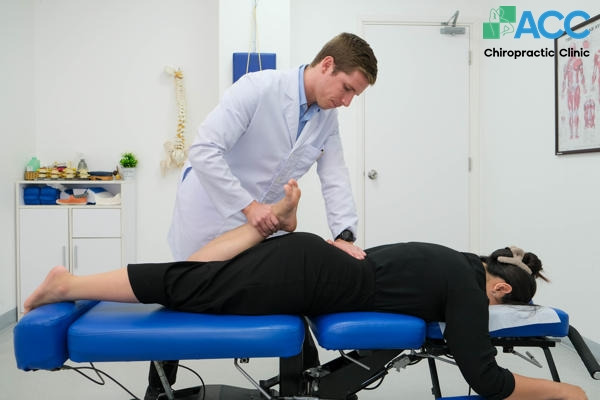
- Comprehensive and Standardized Medical Examination: Instead of focusing solely on pain symptoms, reputable facilities perform detailed clinical exams and assess the patient’s posture and range of motion. This approach helps identify the root cause of the condition, leading to an optimized and cost-effective treatment plan.
- Personalized, Multi-Modal Treatment Plans: Treatment protocols should be customized based on the extent of damage, age, and underlying health conditions of each individual. Combining appropriate physical therapy exercises with spinal adjustments and modern technology will shorten recovery time and best improve the range of motion.
- Long-term Care and Support: Patients receive periodic progress monitoring and detailed guidance on daily postures, maintenance exercises, and proper nutrition. This close partnership ensures sustainable recovery and minimizes the risk of recurrence.
Persistently practicing these exercises for lumbar spine degeneration will bring positive changes to your musculoskeletal health. However, remember to always listen to your body and stop immediately if you feel any unusual increase in pain. To achieve optimal results and ensure safety, you should consult with a specialist before starting any new exercise program!
>> Read more about: