







Contents
“What to eat and what to avoid when suffering from spinal degeneration?” is a common concern among patients. A scientifically balanced diet is the key to supporting effective musculoskeletal recovery. Proactively incorporating bone-healthy foods not only helps alleviate pain but also significantly slows down the natural aging process of the spine. This article shares the essential foods you should eat and those you must avoid to optimize your condition.
1. The Role of Nutrition in Recovering from Spinal Degeneration
A balanced nutritional regimen plays a pivotal role in managing the progression and healing of spinal injuries. Maintaining a stable weight through healthy eating habits helps decompress the musculoskeletal system, thereby alleviating pain and preventing the condition from worsening. Therefore, patients with spinal degeneration should establish a proper meal plan and proactively supplement essential nutrients to strengthen bone density, reduce aching, and improve overall symptoms.
2. What to Eat for Spinal Degeneration? 12 Essential Foods
Patients should incorporate foods rich in Vitamin A (carrots, sweet potatoes), Vitamin B12 (red meat, poultry), and Vitamin C (kiwi, guava) into their daily diet to nourish joints and cartilage. Details are as follows:
2.1. Vitamin A-Rich Foods
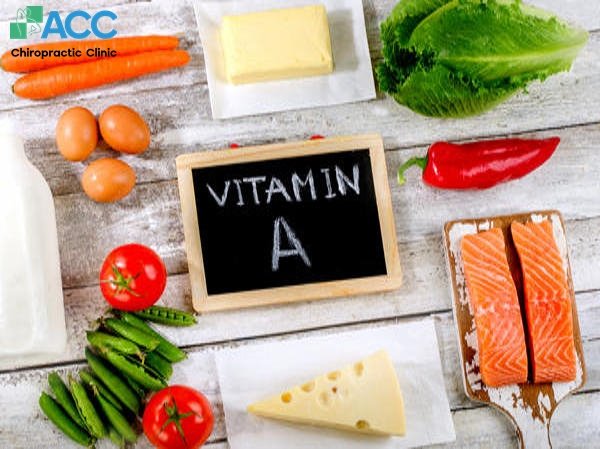
Vitamin A acts as a potent antioxidant that boosts the immune system, supports bone structure formation, and aids in the repair of damaged tissues. Vitamin A can be found in:
- Animal sources: Beef liver, calf liver, chicken, milk, and dairy products (butter, cheese, eggs).
- Plant sources: Orange-colored fruits (apricots, nectarines, cantaloupe) and orange or dark green vegetables (carrots, sweet potatoes, spinach).
2.2. Vitamin B12-Rich Foods
Vitamin B12 is essential for maintaining healthy bone marrow, supporting the growth of the body and spine, and ensuring their normal functions. Vitamin B12 is found in:
- Animal sources: Liver, fish, red meat, and poultry.
- Dairy & Eggs: Yogurt, cheese, and eggs.
2.3. Vitamin C-Rich Foods
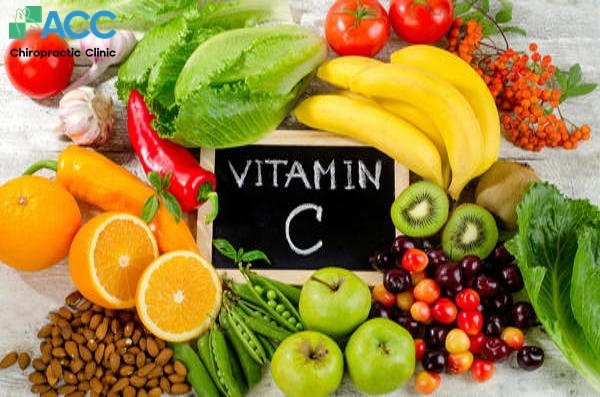
Vitamin C is an indispensable nutrient in the process of collagen synthesis, which helps heal damaged ligaments and intervertebral discs while maintaining a healthy musculoskeletal system. You can easily supplement this vitamin through:
- Fruits: Guava, kiwi, strawberries, and citrus fruits (oranges, lemons, grapefruits).
- Vegetables: Broccoli, spinach, bell peppers, and sweet potatoes.
2.4. Vitamin D-Rich Foods
Vitamin D optimizes the body’s calcium absorption, thereby supporting bone development, preventing osteoporosis, and minimizing the risk of spinal degeneration. You can supplement this nutrient through foods such as egg yolks and fish oil, or proactively help the body synthesize Vitamin D by sunbathing at appropriate times.
2.5. Vitamin K-Rich Foods
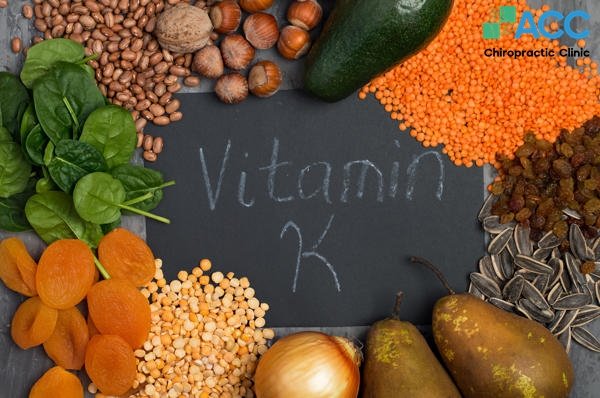
The next answer to the question of what to eat for spinal degeneration is Vitamin K-rich food groups. This active nutrient works alongside calcium to ensure strong and healthy joints. Foods rich in Vitamin K include:
- Animal sources: Liver, pork, eggs, and dairy products.
- Plant sources: Dark green leafy vegetables such as spinach, kale, and broccoli.
2.6. Iron-Rich Foods
Iron plays an essential role in maintaining healthy cells, supporting oxygen transport, and producing myoglobin, which is crucial for the muscle groups that support the spine. To supplement this mineral, you should increase your intake of:
- Animal sources: Liver, red meat, shellfish (shrimp, crab), and eggs.
- Plant sources: Lentils, soybeans, and dark leafy greens (kale, broccoli).
2.7. Magnesium-Rich Foods
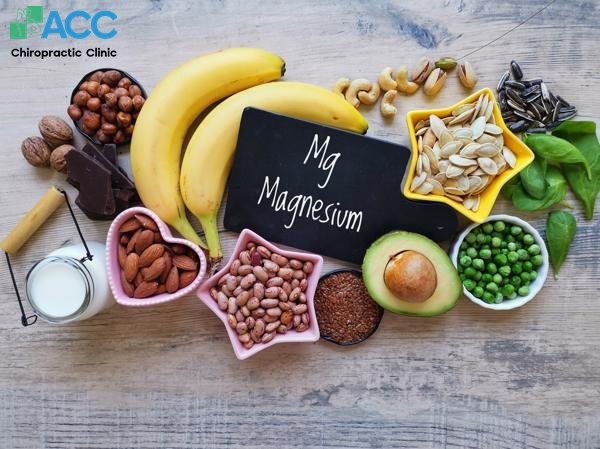
Magnesium assists muscles in optimizing their contraction and relaxation functions, maintaining muscle tone and bone density, and preventing spinal issues. Additionally, it supports the body’s protein utilization process. Magnesium can be found in:
- Grains & Seeds: Whole-grain rice, whole cereals, legumes, and nuts.
- Fruits & Vegetables: Potatoes, avocados, bananas, kiwi, and vegetables like spinach, kale, and broccoli.
- Seafood: Lobster.
2.8. Calcium-Rich Foods
Calcium-rich foods are another key answer to the question: “What should I eat for spinal degeneration?” Calcium is vital for bone health and development, helping to maintain strong bones and preventing the risks of osteoporosis, fissures, and fractures. Calcium can be found in:
- Dairy products: Milk, yogurt, and cheese.
- Plant sources: Dark green leafy vegetables.
- Seafood: Certain types of fish, such as salmon and sardines.
2.9. Omega-3 Fatty Acids
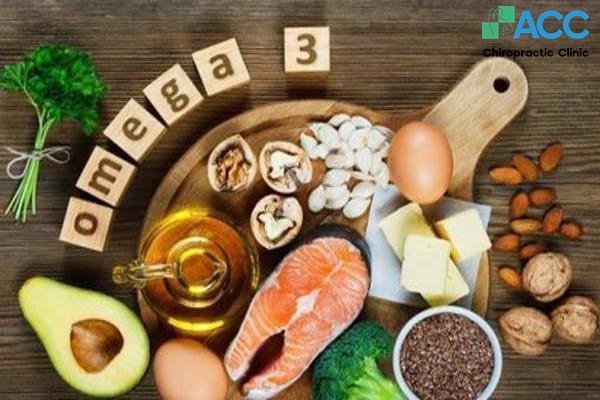
Marine fish, such as sardines and salmon, are excellent foods for spinal health due to their abundant Omega-3 content. Did you know that Omega-3 is a key component in the structural formation of intervertebral discs and possesses the ability to support the treatment of spinal degeneration?
2.10. Collagen-Rich Foods
Supplementing with collagen-rich foods helps the body produce essential amino acids that combat aging, increase bone density, and enhance joint flexibility. Patients should incorporate foods that support collagen synthesis and metabolism, such as chicken, eggs, salmon, and citrus fruits like oranges, lemons, and grapefruits.
2.11. Fiber-Rich Foods
If you are wondering what to eat to effectively manage spinal pain, do not overlook fiber-rich foods. Fiber possesses anti-inflammatory properties and provides essential minerals that slow down the aging process of the musculoskeletal system. This food group includes:
- Legumes: Various types of beans and lentils.
- Dark leafy greens: Spinach and broccoli.
- Fruits: Apples and berries.
2.12. Plant-Based Proteins
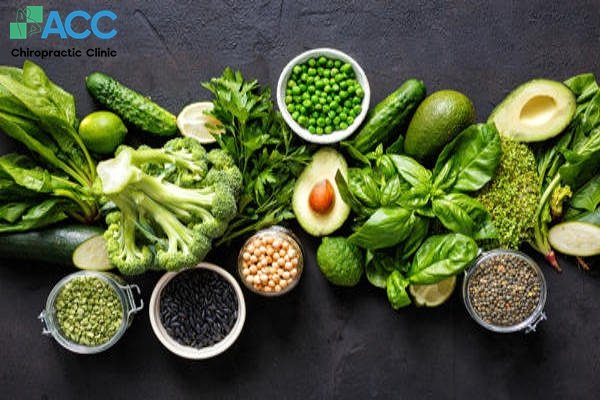
Patients should prioritize plant-based protein sources to help the body reduce inflammation and swelling, preventing spinal degeneration from progressing. Recommended foods include soybeans, peas, and nuts (almonds, walnuts). It is advised to limit high intakes of animal proteins such as beef and pork, as they contain high levels of purines and saturated fats, which can increase uric acid levels, trigger inflammatory responses, and accelerate joint degeneration.
3. What to Avoid to Effectively Improve Spinal Degeneration?
In addition to knowing what to eat, patients must avoid greasy, spicy foods, and those high in salt or fructose to achieve the best treatment outcomes. Below is a list of foods that individuals with spinal degeneration should limit:
3.1. Greasy and Fried Foods
Patients should restrict dishes high in oil and saturated fats, as they easily stimulate pro-inflammatory responses in the body. Frequent consumption of this food group not only leads to weight gain but also exacerbates the severity of spinal degeneration.
3.2. Spicy and Pungent Foods
Spices such as chili, pepper, or ginger can intensify aching and worsen inflammation in the spinal area. Therefore, patients should favor mild, balanced meals to support a smooth recovery process for the musculoskeletal system.
3.3. Foods High in Salt, Fructose, and Purines
Excessive intake of salt, fructose, or purines (found in organ meats and smoked meats) causes water retention and increases pressure on the skeletal system. Overconsuming salty and sugary foods not only hinders calcium absorption but also raises the risk of severe spinal complications.
3.4. Stimulants
Alcohol, tobacco, and excessive caffeine are factors that weaken bone structure and diminish the effectiveness of medical treatments. Patients should avoid these stimulants to protect overall health and prevent recurrent spinal pain.

3.5. Gluten-Containing Foods
Gluten found in wheat and certain grains can trigger immune system dysregulation and promote joint inflammation in sensitive individuals. To protect your spine, consider reducing your intake of this food group to minimize irritations that cause discomfort and aching.
3.6. Omega-6 Fatty Acids
A diet excessively high in Omega-6 from vegetable oils can lead to water retention, causing numbness and swelling in the cervical (neck) and lumbar (lower back) regions. Therefore, patients should limit vegetable oils derived from cashews, sunflowers, sesame seeds, and soybeans, potentially replacing them with olive oil.
3.7. AGEs-Rich Foods
AGEs (Advanced Glycation End-products) are compounds that accelerate cellular aging, causing musculoskeletal structures to weaken rapidly. To protect joint health and prevent early-onset spinal degeneration, you should avoid consuming foods high in AGEs, such as grilled meats, sodas, high-fat dairy, and salty fried foods.

5. Key Nutritional Considerations for Patients with Spinal Degeneration
Beyond knowing what to eat and avoid, you should focus on selecting fresh ingredients, utilizing scientific cooking methods, and maintaining adequate hydration to support symptom improvement. Specifically:
- Select Fresh Foods: Prioritize fresh, traceable ingredients to ensure the highest nutrient content. Avoid processed foods as they contain preservatives harmful to joint health.
- Focus on Cooking Methods: Favor steaming and boiling over frying or sautéing with excessive oil to preserve vitamins and minerals. Simple preparation limits the buildup of harmful compounds, better supporting spinal recovery.
- Eat On Time and Maintain Regular Meals: A consistent eating schedule stabilizes metabolism and enhances calcium absorption. Avoid skipping meals or eating late to prevent strain on the digestive system.
- Stay Hydrated: Drinking enough water maintains intervertebral disc hydration and supports blood circulation to the spine – a simple yet vital habit for joint flexibility.
- Incorporate Joint-Protective Supplements: In addition to natural foods, consult a doctor about supplements like Glucosamine, Chondroitin, and MSM. These compounds strengthen cartilage structure, promote regeneration, and maintain synovial fluid for effective joint mobility.
Expert Advice: Nutrition plays a supportive role and cannot fully replace specialized medical protocols. If you experience frequent neck or lower back pain, seek early examination at a specialized facility to accelerate recovery and protect your spinal structure.
To choose the right facility for effective musculoskeletal care, consider the following criteria:
- Affiliation with Prestigious Medical Groups: Facilities part of major healthcare groups such as FV Hospital (a member of Thomson Medical Group, Singapore) apply synchronized protocols for examination, diagnosis, and treatment. This ensures accurate diagnosis, minimizes risks, and guarantees long-term medical benefits.
- Highly Specialized Doctors with Extensive Clinical Experience: Seek facilities with doctors trained in developed nations like the USA, France, or Canada. Specialists should have at least 10 years of experience in treating complex musculoskeletal conditions to provide a scientific diagnosis aimed at long-term results rather than temporary pain relief.
- Personalized Protocols with a Focus on Conservative Care: For optimal results, treatment must be tailored to your age, physical condition, medical history, and injury severity. Doctors should prioritize non-invasive, drug-free conservative methods such as Chiropractic care, physical therapy, and specialized rehabilitation to quickly restore spinal function.
- Continuous Support and Long-term Care: Once pain is controlled, patients should receive guidance on rehabilitation exercises, lifestyle adjustments, and nutrition. This is a crucial step to strengthen back muscles, improve posture, and prevent recurrence.
6. Frequently Asked Questions (FAQs)
In the process of researching what to eat and avoid for spinal degeneration, patients often have the following concerns:
6.1. What type of milk should I drink for spinal degeneration?
Patients should prioritize plant-based milks such as soy milk, almond milk, or low-fat, high-calcium milk. These options provide essential minerals for bone health without causing weight gain or triggering inflammatory responses.
6.2. Should I eat bamboo shoots if I have spinal degeneration?
You should limit your consumption of bamboo shoots because the cyanide in this food can convert into hydrocyanic acid, which interferes with oxygen circulation in the blood. Prolonged exposure can lead to nutrient deficiencies in the joints, causing spinal pain to become more severe.
In summary, understanding what to eat and what to avoid for spinal degeneration helps you take a proactive role in protecting your musculoskeletal health. Ideally, you should combine a scientifically-backed diet with the correct medical treatment protocol to quickly alleviate pain and improve spinal flexibility!
>> Related posts: