






Contents
- 1. Can People with a Herniated Disc Exercise?
- 2. Benefits of Proper Exercise for Herniated Disc Patients
- 3. How Should People with a Herniated Disc Exercise?
- 4. Which Sports Should You Avoid with a Herniated Disc?
- 5. Important Considerations for Herniated Disc Patients During Exercise
- 6. Frequently Asked Questions (FAQs)
Exercising correctly plays a critical role in the treatment and management of a herniated disc. Beyond helping to alleviate back pain and sciatica, appropriate physical activity also supports the functional recovery of the spine. So, how should a person with a herniated disc exercise, and what precautions are necessary to avoid aggravating the condition? Follow this article for the answers.
1. Can People with a Herniated Disc Exercise?
People with a herniated disc can still exercise; however, it is essential to perform movements gently and under the guidance of a doctor or a qualified specialist.
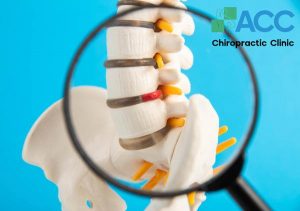
A herniated disc occurs when one or more discs are displaced from their normal position, leading to the compression of the spinal cord and nerves within the spinal canal. This condition causes persistent pain that significantly impacts a patient’s quality of life. Exercising correctly provides numerous benefits in reducing pain and improving the management of a herniated disc.

A herniated disc is a musculoskeletal condition that causes pain, discomfort, and hinders daily activities; the most common types today are cervical (neck) and lumbar (lower back) disc herniation. Nutrition plays a vital role in the treatment process and spinal rehabilitation. Therefore, the question of what to eat for a…
2. Benefits of Proper Exercise for Herniated Disc Patients
Engaging in appropriate exercise not only helps alleviate pain but also plays a critical role in supporting recovery and preventing long-term complications. Specifically:
- Strengthening Muscles and Reducing Pain: Gentle activities and exercises help strengthen the muscles that support the spine, particularly the core and back muscles. This reduces the load on the spinal column and the affected discs, thereby helping patients manage pain effectively.
- Improving Spinal Flexibility and Range of Motion: Regular physical activity enhances spinal flexibility and reduces joint stiffness. This helps patients with herniated discs minimize pain caused by compression between the vertebrae.
- Supporting Tissue Repair: Appropriate exercises promote blood circulation and improve systemic flow. This facilitates the delivery of vital nutrients to the injured area, helps reduce inflammation, and promotes a more efficient recovery process.
- Increasing Bone Density and Reducing Stress: Maintaining a consistent exercise routine contributes to increased bone density, strengthening the skeletal system. Furthermore, physical activity helps reduce stress – a factor that can exacerbate pain. When the body is relaxed and the mind is at ease, the perception of pain is significantly improved.

3. How Should People with a Herniated Disc Exercise?
People with a herniated disc should focus on gentle exercises that help elongate and decompress the spine, such as walking, slow cycling, swimming, and yoga. Below is a detailed response to the question: “What are the best exercises for a herniated disc?”
3.1. Swimming
Swimming is considered one of the safest forms of exercise for those with a herniated disc, as it minimizes the risk of spinal injury. The buoyancy of water helps reduce pressure on the joints and relieves the stress exerted on the spinal discs, thereby alleviating pain. Through the rhythmic coordination of the arms, legs, head, and neck, swimming effectively improves the health of the musculoskeletal system. Furthermore, the breathing techniques involved in swimming enhance blood and oxygen circulation, which can help mitigate inflammation in the spinal discs.
However, patients with a herniated disc should avoid overexertion, as it increases the risk of further disc damage. Instead, you should swim at a moderate pace and maintain consistency to achieve the best results. It is recommended to swim 3-4 times per week, for about 30-60 minutes per session.

3.2. Yoga
Another excellent answer to the question, “What exercises should I do with a herniated disc?” is yoga. Gentle yoga poses help alleviate pain, strengthen muscles, and reduce the body’s pressure on the spinal column and discs. Simultaneously, yoga exercises help improve core strength in the back and abdomen, which aids in maintaining an upright posture and coordinating overall body movements.
In addition, yoga promotes muscle elongation, allowing the body to reach a state of optimal relaxation. During practice, musculoskeletal issues are addressed, and muscle flexibility is significantly enhanced. Notably, the pressure on the lower back is relieved through specific stretches, such as the hamstring stretches (located on the back of the thighs).
Beyond its positive impact on the musculoskeletal system, yoga also enhances blood flow, facilitating the efficient transport of vital nutrients through the muscles and soft tissues of the lumbar region.
3.3. Cycling
If you are wondering which sports are suitable for a herniated disc, consider cycling. Cycling is a beneficial activity for patients with this condition as it helps elongate the spine, release pressure on the spinal discs, and improve the function of the musculoskeletal system and ligaments. Furthermore, it enhances blood circulation, which helps prevent nerve compression and significantly reduces herniated disc pain.
To maximize the benefits of cycling, you should choose a bicycle with an appropriate seat height and width to ensure proper posture. Keep your back straight in a relaxed position and avoid hunching your head or tilting your hips and lower back. Regarding duration, you can begin with 15 minutes per day, then gradually increase to 30-45 minutes daily, maintaining a consistent routine.
3.4. Walking
Walking is highly recommended for patients with lumbar disc herniation. For beginners, it is best to start at a slow pace and gradually increase speed with gentle steps. During the walk, focus on inhaling through your nose and exhaling gently through your mouth to regulate your breathing rhythm. Additionally, maintain an upright back and straight head, combined with light, relaxed arm movements.
To support effective treatment for a herniated disc, patients should walk for about 30-45 minutes each morning or afternoon.

3.5. Pull-ups
Performing pull-ups helps elongate the spine, thereby decompressing the spinal discs. Furthermore, this exercise supports the reduction of nerve compression, which in turn alleviates pain caused by a herniated disc.
The recommended method is to hang from the bar for approximately 45 seconds, then safely lower yourself. Perform this exercise 3 times per week. Additionally, to avoid further disc injury, you must follow safety protocols, such as warming up, maintaining proper form, coordinating gentle breathing, and exercising within your limits.
4. Which Sports Should You Avoid with a Herniated Disc?
Now that you know which sports are recommended, it is equally important to be aware of activities that should be avoided to minimize high-impact stress on the spine and discs. Patients with a herniated disc should refrain from high-intensity activities (such as gymnastics, diving, etc.), sports involving sudden, forceful twisting (such as tennis, golf, etc.), heavy lifting, and high-impact contact sports (such as soccer, martial arts, etc.).
4.1. High-Intensity Activities
High-intensity activities such as gymnastics, cheerleading, diving, and high-impact aerobics often require repeated jumping, landing with force, or rapid position changes, all of which place significant pressure on the spine and discs. For patients with a herniated disc, these movements can easily cause further compression of the discs, triggering pain and increasing the risk of severe injury to the lumbar or cervical regions.
4.2. Sports Involving Sudden, Forceful Twisting
Some sports require rapid and forceful rotation of the torso (such as tennis, golf, pickleball, and bowling), which can exert significant torsional force on the spine. When a disc is already compromised, sudden twisting motions can easily cause tears in the annulus fibrosus (the outer layer of the disc), causing the herniated portion to further compress the nerve roots. This can result in pain radiating down the arms or legs and hinder the recovery process.

4.3. Heavy Lifting
Weightlifting or carrying heavy objects causes a sudden increase in pressure on the spinal discs, especially if done with improper form. For individuals with a herniated disc, this can lead to severe disc compression, triggering acute pain flare-ups and significantly increasing the risk of worsening the condition or causing a recurrence post-treatment.
4.4. Contact Sports
Contact sports (including martial arts, rugby, boxing, basketball, etc.) carry a high risk of falls, collisions, or direct physical impact to the spine. These shocks not only exacerbate herniated disc pain but can also cause further injury to the discs, ligaments, and nervous system, potentially leading to long-term mobility impairment.
5. Important Considerations for Herniated Disc Patients During Exercise
While the benefits of exercise for herniated disc patients are undeniable, you must keep the following points in mind:
- Seek professional medical advice to determine which sports or exercises are most suitable for your specific condition.
- Avoid unsuitable sports such as intense gym training, long-distance running, soccer, basketball, etc.
- Focus on proper technique – exercise within your limits and prioritize low-impact sports and gentle routines.
- Warm up thoroughly before exercising and stretch afterward to reduce the risk of muscle strain, spasms, and injury.
- Start at a low intensity and increase it gradually based on your tolerance; do not overexert yourself or suddenly extend your workout duration.
- Listen to your body and stop immediately if you experience any abnormal symptoms.
- Combine exercise with adequate rest and a healthy lifestyle and diet to enhance the effectiveness of long-term recovery.

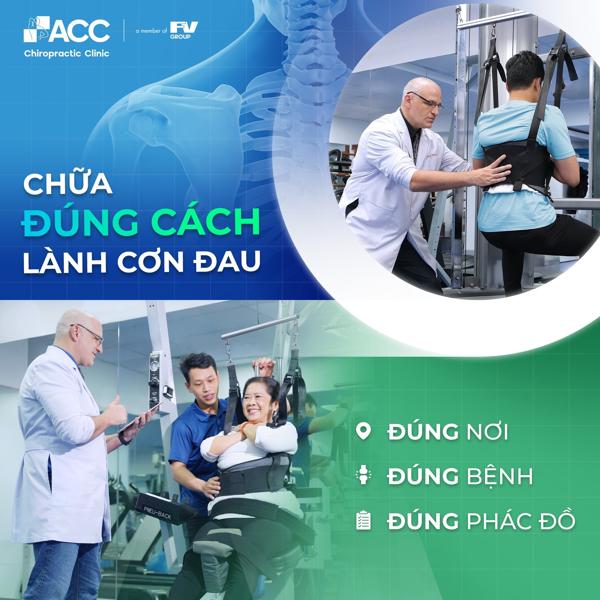
In addition to physical training, you must strictly follow the comprehensive treatment roadmap prescribed by your doctor. To ensure that your herniated disc treatment is both safe and highly effective, it is crucial to choose the RIGHT medical facility. A reputable, high-quality medical provider should meet the following criteria:
- Affiliation with Prestigious Medical Organizations: Facilities managed and operated under strict medical standards set by major health groups (such as the Thomson Medical Group – TMG) guarantee clinical excellence as well as safety throughout the examination and treatment processes.
- Experienced Medical Team with Personalized Treatment Plans: Specialists with deep expertise in musculoskeletal and spinal health should directly oversee your care, creating treatment plans tailored to your specific injury level, age, and physical condition. This approach ensures optimal results while saving time and long-term costs.
- Modern Equipment and Technology: A reputable specialized clinic must be equipped with advanced rehabilitation machines and technology to enhance treatment efficacy, provide rapid pain relief, and shorten recovery time.
- Long-term Support and Comprehensive Care: Patients should be closely monitored by doctors throughout their treatment journey, with the treatment plan adjusted based on real-time progress. Furthermore, specialists provide guidance on rehabilitation and proper ergonomic postures to prevent recurrence in the long term.
- Clear Consultations and Transparent Roadmaps: At a trusted facility, doctors provide thorough explanations of your medical condition, treatment goals, estimated duration, and each step of the process. This fosters peace of mind and encourages active patient cooperation throughout the entire treatment period.
6. Frequently Asked Questions (FAQs)
As patients explore whether they should exercise with a herniated disc, several other common questions arise:
6.1. Should patients reduce their exercise intensity?
Yes, patients with a herniated disc should reduce exercise intensity to avoid increasing pressure on the spine. It is best to consult directly with your doctor or a Physical Therapy – Rehabilitation specialist to receive professional advice regarding the appropriate frequency and types of exercises for your condition.
6.2. How much daily exercise is appropriate?
Generally, patients with a herniated disc should aim for about 20-30 minutes of exercise per day, which can be broken into smaller sessions to avoid overloading the spine. The duration can be adjusted flexibly depending on the activity: 30-60 minutes per swimming session; 30-45 minutes of walking in the morning or afternoon; and for cycling, you may start gently with 15 minutes per day, gradually increasing to 30-45 minutes as your body adapts.
6.3. Should patients exercise while experiencing pain?
No. When experiencing pain caused by a herniated disc, patients should prioritize rest and wait until the pain subsides. Attempting to exercise while in pain can increase spinal pressure and aggravate the injury. Above all, to ensure you know how to exercise safely to support recovery, always consult your doctor before starting any physical regimen.
>> Related articles: