







Contents
Bicep pain is a common injury that can affect anyone due to overuse of the arm or improper movement. However, in some cases, this pain can be a warning sign of serious health issues. So, how can you identify the cause of bicep pain and what symptoms should you look out for? Let’s find the answers in the article below.
1. What is Bicep Pain and Muscle Tension?
The bicep muscle (biceps brachii) is located between the shoulder and the elbow. It features muscle heads that connect the scapula (shoulder blade) and clavicle (collarbone) to the radius bone in the forearm. The primary functions of the biceps are to assist in flexing the elbow, lifting the shoulder, and rotating the forearm (supination).
Bicep pain occurs when the muscle groups in the upper arm are overstretched or damaged, leading to symptoms such as:
- Muscle cramping sensations in the upper arm.
- Aching and bruising around the elbow area.
- Sharp, radiating pain from the shoulder down to the bicep.
- Muscle weakness in the elbow and shoulder regions.
- Dull, persistent ache in the bicep at night.
- Reduced range of motion, making it difficult to rotate the forearm.
- Feelings of heaviness, fatigue, or localized contractions (spasms) in the bicep area.
- Increased pain when pulling, lifting, or performing repetitive arm movements.
- Audible clicking or popping sounds during arm activity.
2. Causes of Bicep Pain
Understanding the following causes of bicep pain is a crucial step in finding an effective treatment plan:
2.1 Physical Injury
The most common cause of bicep pain is muscle or ligament strains and tears. In these cases, the bicep area becomes swollen, and muscle spasms lead to intense aching. More severe injuries may cause bruising and affect the capillaries. Additionally, shoulder injuries from high-impact collisions, frequent overstretching of the arm muscles, or poor posture (such as hunching) can also trigger pain in the bicep group.
2.2 Nerve Compression
The C5 nerve root is responsible for maintaining function throughout the arm. Therefore, if this nerve root is compressed, the arm will experience pain, numbness, and a tingling sensation. Common causes of nerve compression include herniated discs, the formation of bone spurs, and spinal degeneration (spondylosis).
2.3 Closed Fracture
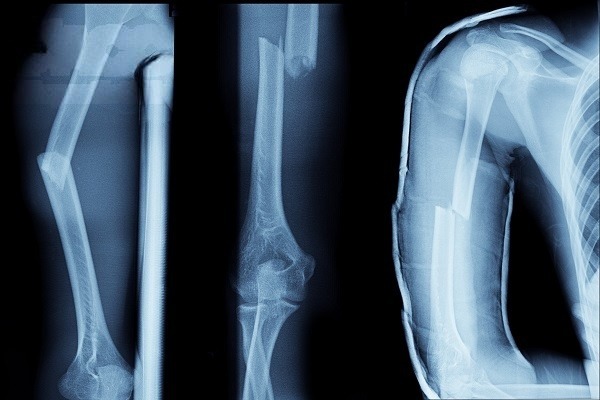
Bicep pain can also result from a closed fracture, a condition where the humerus (upper arm bone) breaks but does not puncture the skin. This typically occurs due to high-impact collisions, falls, accidents, or sports injuries in activities that require repetitive or forceful arm movements (such as volleyball, handball, tennis, etc.).
2.4 Poor Sleeping Posture
Sleeping in an incorrect position can put prolonged pressure on the upper arm, thereby reducing blood circulation. When the musculoskeletal tissues in the arm do not receive adequate nourishment, it leads to persistent aching. Furthermore, poor sleeping posture increases the risk of stiffness and pain in the neck and shoulders, which can subsequently radiate down and cause bicep muscle pain.
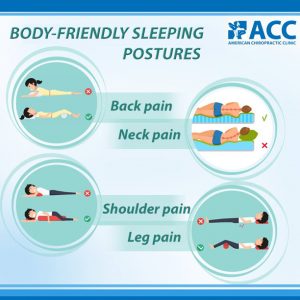
Neck pain, shoulder pain, back pain and feet pain cause inability to sleep well. Some suggestions to find a suitable sleeping position for your health and a good night's sleep are as below: Back pain: If you have back pain at night, sleeping face up is the option. Put a…
2.5 Musculoskeletal Diseases
If you are wondering what underlying conditions could be causing bicep pain, it may be a symptom of various musculoskeletal issues such as bicipital tendonitis, myositis, or herniated discs. Specifically:
- Bicipital Tendonitis: A condition where the tendons connecting the bicep muscle to the shoulder or elbow become inflamed, leading to a dull ache that may worsen with strenuous activity.
- Myositis (Bicep Inflammation): Inflammation of the bicep muscles caused by injury, overexertion, or infection. This leads to persistent pain, swelling, and muscle weakness.
- Herniated Disc: This condition can cause nerve root compression that radiates from the neck to the arm, resulting in pain across the shoulder, neck, and biceps.
2.6 Other Causes
In some cases, bicep pain may stem from other factors such as calcium deficiency, reduced circulatory system efficiency, tendon ruptures, bicep contusions (bruising), or shoulder impingement syndrome.
3. Why Should You Seek Early Treatment for Bicep Pain?
Specialists recommend that individuals should not overlook bicep pain, especially if it persists for several days. If left untreated, the injury may not only worsen within the bicep itself but can also negatively affect surrounding organs and body parts (such as the shoulder joint and cervical spine).

4. How to Relieve Bicep Pain
When experiencing bicep pain, patients can apply the following measures to alleviate discomfort and restore flexibility to the arm:
4.1 At-Home Relief Using the RICE Method
The RICE method is effective in improving bicep muscle pain and supporting the recovery process, especially in cases of closed fractures. Before seeing a doctor, you can perform these four basic first-aid steps at home:
- Rest: Stop activities and try to relax the affected bicep.
- Ice: Apply a cold pack to the injured area. The low temperature from the ice helps soothe aches and discomfort.
- Compression: Bandage the injured bicep. Note: Do not wrap it too tightly or too loosely.
- Elevation: Raise the injured area higher than the level of your heart.
4.2 Cease Activity and Relax the Arm
If bicep pain occurs during physical activity, you should rest and relax immediately to improve muscle tension. Additionally, stopping arm movement allows the bicep muscles the necessary time to recover and heal.
4.3 Cold Compress for the Bicep
Applying a cold compress to the aching bicep area helps reduce swelling, combat inflammation, and soothe the pain. Specifically, follow these steps for an effective cold compress:
- Step 1: Place an ice pack directly onto the painful part of the bicep muscle.
- Step 2: Leave the cold pack in place for 15–20 minutes per session, repeating several times throughout the day.
Note: Do not allow the ice to make direct contact with the skin (use a thin towel as a barrier) and avoid icing for too long to prevent damage to the muscle tissues.
4.4 Over-the-Counter (OTC) Pain Relief
Non-steroidal anti-inflammatory drugs (NSAIDs) such as ibuprofen or acetaminophen are often used to manage pain and inflammation caused by muscle damage. However, specialists encourage patients to avoid over-reliance on painkillers. If used for a prolonged period or in incorrect dosages, these medications can lead to side effects such as gastric ulcers and impaired kidney or liver function.
Therefore, to ensure safety and avoid side effects, you should strictly follow a doctor’s instructions regarding dosage, duration, and medication type. While medication may provide temporary relief for bicep pain, it does not treat the root cause.
5. Effective, Drug-Free Treatment for Bicep Pain at ACC Clinic
While the aforementioned methods can help alleviate pain, they are only temporary solutions. Moreover, regular use of painkillers can be harmful to the liver, stomach, and kidneys. This is why modern medicine encourages patients to prioritize non-invasive, drug-free treatments to protect their overall health.
To achieve high efficacy in treating bicep pain, patients should seek out highly skilled doctors with extensive expertise. A specialist can accurately identify the underlying cause of the pain or muscle tension, allowing for a personalized treatment plan combined with modern technology for the best results.
Currently, ACC Clinic (a member of the FV Group) is the first specialized unit in Vietnam to meet these criteria, operating under the motto “Do It Right – No Pain Left.” Based on the patient’s condition, ACC’s medical team will develop a customized treatment plan that is PAIN-FREE and DRUG-FREE, including:
5.1 Bicep Pain Related to Joint Misalignment and Nerve Compression
In cases where bicep pain is caused by structural misalignments in the shoulder or neck that compress the nerves, Chiropractic care is the optimal solution.
This therapy operates on the principle of adjusting misalignments in the musculoskeletal and spinal structures, returning them to their natural physiological positions. This releases the pressure on the nerves that cause pain. Notably, manual adjustments performed with precise force stimulate the body’s natural self-healing mechanism, improving bicep pain without the need for medication.
For Chiropractic care to be as effective as expected, treating doctors must undergo rigorous, specialized training for 6 to 8 years. In Vietnam, ACC Clinic is proud to have a team of 100% foreign Chiropractic specialists from developed countries such as the USA, Germany, and New Zealand. This expertise ensures accurate diagnoses and successful treatment for many cases of bicep pain and inflammation.
In particular, if bicep pain stems from cervical spine degeneration or a herniated disc, doctors may prescribe a combination of advanced equipment, such as Vertetrac and Cervico 2000 decompression devices, the DTS Spinal Decompression system, or the Pneumex PneuBack system, to accelerate recovery and enhance treatment outcomes.

5.2 Bicep Pain Related to Soft Tissue Injuries
In cases where bicep pain stems from issues such as muscle strains or ligament tears, ACC specialists may prescribe one of the following two methods:
- Deep Tissue Manual Therapy: Suitable for all patients, this therapy helps alleviate bicep tension and aching while restoring flexibility to the arm. Additionally, this method promotes relaxation, boosts the immune system and blood circulation, and improves sleep quality.
- Shockwave Therapy and Class IV High-Intensity Laser: These technologies play a vital role in accelerating the healing process of damaged ligaments and muscles by stimulating new cell regeneration. Through this process, pain is rapidly reduced and eventually eliminated.

Book your appointment at ACC today or contact our Hotline/Zalo at 0946 740 066. Experience a medical-standard treatment protocol diagnosed and treated by high-level specialists to quickly eliminate bicep pain at its root and regain your freedom of movement!
6. How to Prevent Bicep Muscle Pain
To prevent bicep pain, avoid recurrence after treatment, and protect your overall musculoskeletal health, you can apply the following methods:
- Exercise and play sports (swimming, cycling, walking, etc.) at an appropriate intensity to improve muscle strength.
- Warm up thoroughly before exercising to minimize the risk of injury.
- Work with a coach when playing sports to ensure proper technique and prevent injury risks.
- Gently massage the arms and apply ice after physical activity to relax the muscles and reduce bicep soreness.
- For office workers who frequently use computers, take at least 15-30 minutes a day to rest, and adjust your chair and desk to an ergonomic height.
- Maintain a balanced diet rich in essential nutrients, especially calcium, vitamin D, and proteins from eggs, salmon, beef, shrimp, and crab, to nourish a healthy musculoskeletal system.
- Prioritize rest when experiencing arm pain, and reduce stress and physical exhaustion.
Bicep pain stemming from causes such as physical injury, closed fractures, or nerve compression can significantly impact arm mobility. If you have applied at-home first aid (icing, resting, RICE method, etc.) but the bicep pain persists, you should see a specialist for a timely examination and treatment.
>> Read more: