







Contents
In recent years, the number of patients seeking treatment for knee pain at ACC Clinic has risen significantly. Symptoms such as pain or swelling often indicate damage to the cartilage and ligaments surrounding the knee, stemming from various causes including degeneration, arthritis, or injury. Alongside clinical treatment, nutrition plays a vital role in influencing the progression of the condition. So, what should those with knee pain eat to minimize discomfort and support cartilage regeneration?
1. 7 Superfoods for People with Knee Pain
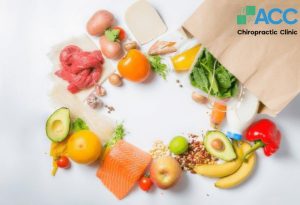
Incorporating these foods into your daily diet will help alleviate inflammation and joint pain symptoms.
1.1. Fish
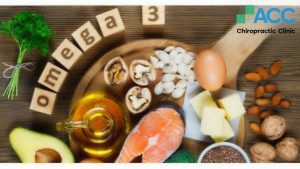
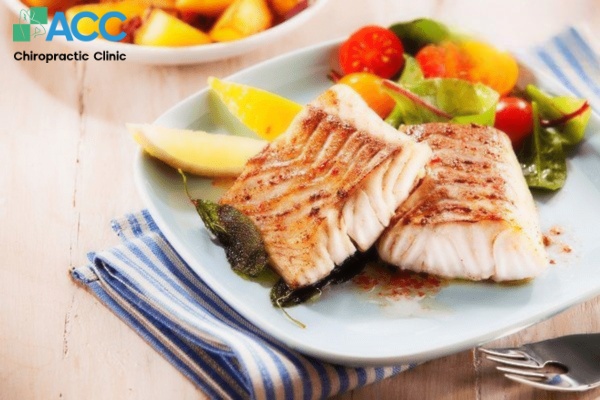
Cold-water fish (such as salmon, tuna, mackerel, sardines, and herring) are rich in Omega-3 – a beneficial fatty acid with potent anti-inflammatory properties that help reduce pain and ease morning stiffness. Experts recommend consuming two 3-ounce servings (at least 85g) of fish per week.
1.2. Olive Oil
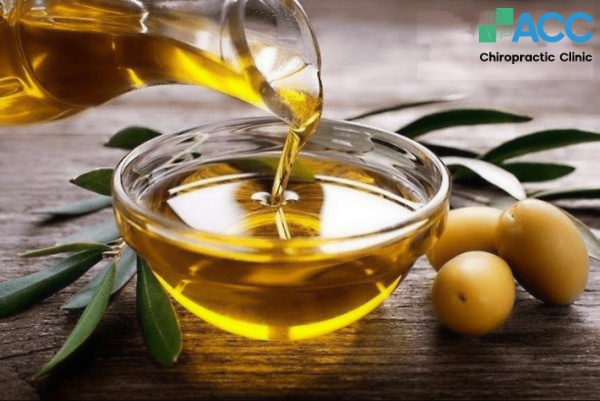
Research has shown that olive oil contains oleocanthal, a compound with properties similar to non-steroidal anti-inflammatory drugs (NSAIDs). Therefore, you can incorporate olive oil into your daily diet as a healthy substitute for other types of fats.
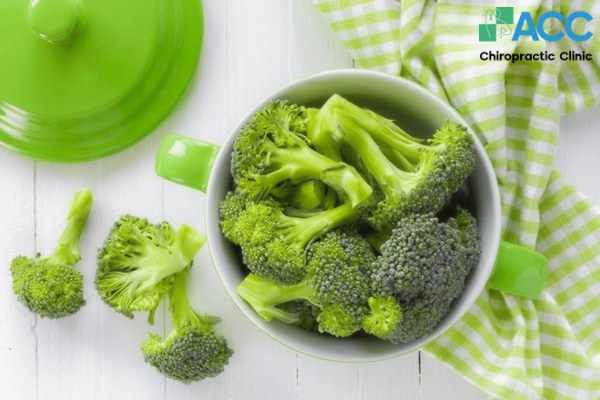
1.3. Broccoli
What should those with knee pain include in their daily diet? Broccoli is one of the best choices. This vegetable is rich in Calcium, Vitamin K, and Vitamin C, all of which are essential for bone and joint health. Most notably, broccoli contains sulforaphane – a compound capable of slowing down the progression of arthritis.
1.4. Citrus Fruits
Fruits such as oranges, grapefruits, tangerines, lemons, and passion fruit are all rich in Vitamin C. This essential nutrient helps increase bone density, builds strong bonds between collagen and connective tissues, and effectively fights arthritis.

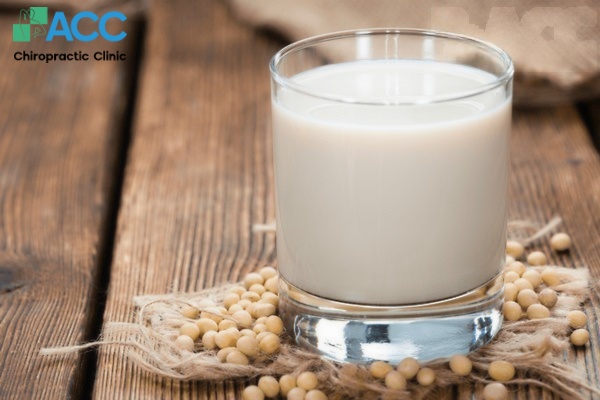
1.5. Soybeans
Soybeans and soy-based products (such as miso, tofu, and soy milk) have anti-inflammatory effects and provide calcium to strengthen bones. Soy is also low in fat and high in fiber, helping you manage your weight effectively.
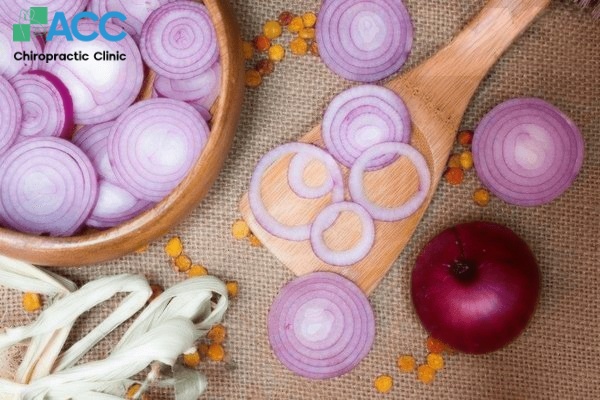
1.6. Onions
Quercetin is a type of flavonoid with potent anti-inflammatory properties, and it is found in high concentrations in onions. Those with knee pain should incorporate onions into stews, salads, or sandwiches.
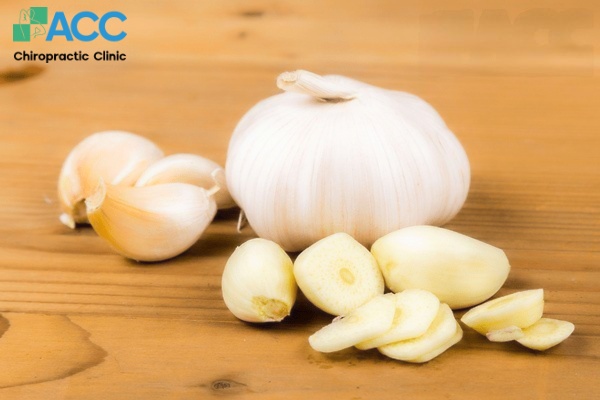
1.7. Garlic
Garlic contains diallyl disulfide, a compound that helps limit enzymes that damage cartilage cells.
2. Important Nutritional Notes for Bone and Joint Health
Increased body weight puts excessive pressure on the knees and hips, causing the cartilage in these areas to wear down and become damaged. Therefore, individuals who are overweight or obese should aim to lose weight by reducing their calorie intake.
- Meal Frequency: Instead of three large meals, divide your intake into 4-5 smaller meals throughout the day.
- Plant-Based Focus: Increase vegetable consumption and prioritize plant-based foods.
- Limit Sweets: Restrict sugary foods and beverages, as they contribute to rapid weight gain. This increases pressure on joint cartilage, leading to its gradual destruction and accelerating the degenerative process, which prolongs knee pain.
- Refined Carbs: Limit white bread, pasta, and foods made from refined flour. These can cause blood sugar spikes, triggering the body to produce cytokines – pro-inflammatory substances that are harmful to joints.
- Cooking Methods: Cut back on grilled meats and dishes cooked at high temperatures. These contain Advanced Glycation End-products (AGEs), which increase the risk of joint pain and inflammation.
- Avoid Fried Foods: Say “no” to fried foods as they contain high levels of Omega-6 fatty acids, which have been shown to trigger joint inflammation and chronic inflammation.
- Alcohol: Avoid beer and spirits, as they can lead to chronic arthritis and other health risks.
At the first sign of knee pain, patients should seek a medical examination immediately to detect and treat damage early, preventing complications from progressing silently.
At ACC Clinic, Dr. Wade Brackenbury and our musculoskeletal specialists prioritize Chiropractic care and Physiotherapy to treat joint conditions, especially knee stiffness and pain. Many patients have achieved complete pain relief after a short period of treatment using Shockwave therapy and Class IV Laser therapy.
In addition to following the doctor’s treatment protocol, knee pain patients should supplement their diet with Glucosamine Sulfate, Chondroitin Sulfate, and MSM through high-quality supplements to enhance the recovery of joint structures.
Knee Pain – Causes and Effective Treatment at ACC Clinic
>> Related posts: