






Contents
A herniated disc is a musculoskeletal condition that causes pain, discomfort, and hinders daily activities; the most common types today are cervical (neck) and lumbar (lower back) disc herniation. Nutrition plays a vital role in the treatment process and spinal rehabilitation. Therefore, the question of what to eat for a herniated disc is a matter of great concern for many patients
1. What Should Patients with a Herniated Disc Eat?
1.1. Calcium-Rich Foods
Calcium is an essential mineral for the development and health of bones and joints. Due to aging, physical labor, or pregnancy, calcium levels in the bones can be depleted. A calcium deficiency causes bones to lose their flexibility and become more susceptible to degeneration. Therefore, replenishing the missing calcium is crucial.
Some calcium-rich foods include:
- Dairy products: Fresh milk, yogurt, cheese, etc.
- Dark leafy greens: Kale, spinach, broccoli, etc.
- Legumes and beans: Peanuts, peas, black beans, etc.
- Certain types of fish: Salmon and sardines.
- Other sources: Tofu, sesame seeds, corn tortillas, and brown sugar.
1.2. Vitamin D
Vitamin D is vital for helping the body absorb and metabolize calcium, which protects the skeletal structure. Consequently, it is indispensable for herniated disc patients. Excellent sources of Vitamin D include egg yolks, salmon, herring, liver, and fortified milk.
1.3. Magnesium and Vitamin K
These nutrients help synthesize bone-forming proteins and maintain bone mineralization levels.
- Magnesium: Can be found in whole grains and bread; nuts such as cashews, sunflower seeds, and almonds; dark leafy greens like kale, spinach, and broccoli; as well as fruits like avocados and kiwi.
- Vitamin K: Present in animal liver, pork, dairy products, and green vegetables such as asparagus, spinach, and broccoli.
1.4. Omega-3 Fatty Acids
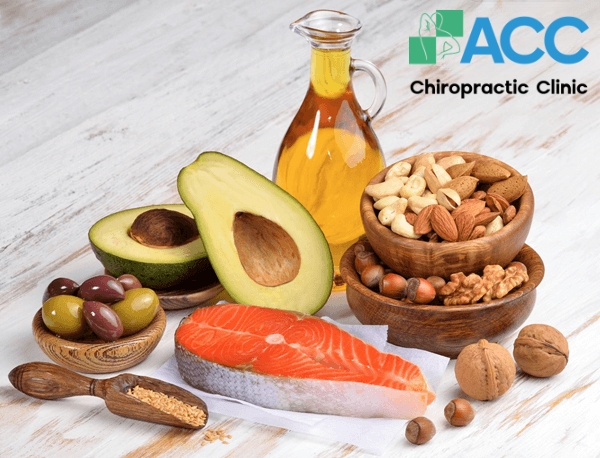
Upon entering the body, Omega-3 fatty acids are converted into prostaglandins, which play a crucial role in the anti-inflammatory response chain. Therefore, individuals with herniated discs should consume foods rich in Omega-3, such as salmon, tuna, and soybeans.
1.5. Glucosamine and Chondroitin
These are essential substances that aid in the regeneration of joint cartilage. You can find these natural compounds in bone broth (specifically marrow bones) or the rib cartilage of beef and goat.
In addition, supplementing with Glucosamine and Chondroitin through dietary supplements is often necessary. This is especially true for the elderly, whose absorption capacity is lower; therefore, liquid supplements are recommended for easier absorption.
Currently, the market offers many products containing these active ingredients with diverse origins and price points. Patients and their families should research information thoroughly and consult with a doctor to choose reputable and suitable products. According to medical recommendations, Glucosamine must be used correctly to achieve its full therapeutic effect.
2. What Should Patients with a Herniated Disc Avoid?
To effectively reduce pain and combat inflammation, individuals with herniated discs should limit or eliminate the following foods from their daily diet:
2.1. Protein-Rich Foods and Red Meats
These foods are high in saturated fats and uric acid, which can exacerbate inflammation and are detrimental to disc health. Furthermore, high consumption of these foods increases the risk of cardiovascular disease, high blood pressure, and stroke, seriously impacting overall health.
2.2. Greasy Fast Foods
Fast foods rich in oil and fat, such as fried chicken, grilled meats, sausages, and French fries, not only cause weight gain, placing significant pressure on the spine, but also lead to calcium depletion. This weakens the bones and intensifies levels of inflammation and pain.
2.3. Foods That Promote Rapid Weight Gain
White bread, pasta, whole milk, and snacks/chips are all foods that lead to rapid weight gain, which is harmful to joints and bone health.
2.4. Alcoholic Beverages and Stimulants

Alcoholic beverages and stimulants such as beer, liquor, and tobacco are substances that can trigger pain, harm your overall health, and negatively impact the recovery process.
Additionally, foods containing hydrogenated vegetable oils should be avoided. Overconsumption of these can lead to obesity, which accelerates the degeneration of the spine.
Beyond nutrition, the key to treating a herniated disc is choosing the right therapeutic approach. Currently, most patients can successfully recover thanks to Chiropractic care combined with physical therapy and advanced medical technology, such as:
At ACC Clinic, this treatment protocol has been successfully applied to numerous patients, not only contributing to a significant reduction in pain but also focusing on maintaining long-term physical health and vitality.