







Contents
According to statistics, more than 50% of women suffer from postpartum neck and shoulder pain. This condition causes significant fatigue and discomfort, leading to many inconveniences in daily life. Notably, the incidence of neck and shoulder pain is higher in mothers who deliver via Cesarean section (C-section) compared to those who have a vaginal delivery. So, what are the causes of postpartum neck and shoulder pain, and how can it be addressed? Let’s find out in the article below!
1. Identifying Postpartum Neck and Shoulder Pain
Postpartum neck and shoulder pain manifests through very clear symptoms, specifically:
- Timing: Pain is most noticeable after waking up, performing heavy tasks, or sitting in the same position at a desk for too long.
- Aggravating Factors: Pain intensity increases when coughing, sneezing, walking, sitting for long periods, moving the neck frequently, or during weather changes.
- Radiating Pain: The ache spreads from one or both shoulders down to the arms, causing constant numbness and limited mobility.
- Physical Sensation: A feeling of stiffness or numbness when touching the shoulder blades and arms.
- Associated Symptoms: Occasionally, symptoms like tinnitus (ringing in the ears), dizziness, and lightheadedness may occur.
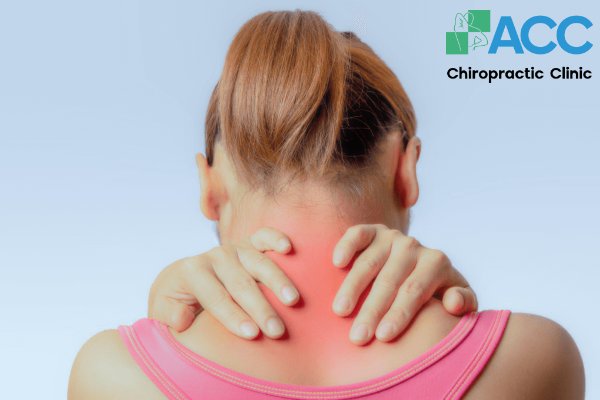
2. Causes of Postpartum Neck and Shoulder Pain
Below are the primary reasons why the neck and shoulder muscles of postpartum women experience pain:
2.1. Improper Breastfeeding Posture
Maintaining poor posture repeatedly over a long period puts excessive pressure on the cervical (neck) and lumbar (lower back) vertebrae. This can lead to various musculoskeletal issues, including neck and shoulder pain.
2.2. Overexertion or Prolonged Bed Rest
During the postpartum recovery period (confinement), if a mother returns to work before her body has fully recovered, or conversely, stays in bed without any movement, it can put pressure on the joints. This reduces blood circulation in the limbs and triggers spasms in the posterior neck muscles, leading to postpartum shoulder and neck pain.
2.3. Insomnia and Physical Exhaustion
In the early stages after childbirth, mothers may struggle to adjust to an irregular routine such as midnight feedings or a crying infant throughout the day. This lack of sleep leads to physical exhaustion and fatigue, which impairs blood circulation. As blood flow to the neck and shoulder area decreases, muscles over-contract and nerves become compressed, resulting in aching and pain.
2.4. Micronutrient Deficiency
An unbalanced diet lacking essential nutrients after childbirth can also cause shoulder and neck aches, particularly deficiencies in Calcium and Vitamin B. A lack of Calcium weakens the bones, making them more prone to pain under pressure. Meanwhile, a Vitamin B deficiency can lead to muscle disorders and increased nerve compression in the neck area.
2.5. Other Causes
Additionally, holding the baby for extended periods, frequent psychological stress, or the lingering effects of loosened muscles from pregnancy are contributing factors to neck and shoulder fatigue in postpartum women.
3. Is Postpartum Neck and Shoulder Pain a Cause for Concern?
Neck and shoulder pain limits the flexibility of the neck muscles, causing numerous inconveniences in daily life. It can interfere with childcare, decrease sleep quality, and increase the risk of postpartum depression.

While this condition is not life-threatening, prolonged pain significantly impacts overall health and quality of life. Furthermore, untreated chronic pain can lead to serious musculoskeletal complications, specifically:
- Cerebral Circulatory Insufficiency Stiffness in the neck and shoulder muscles can obstruct and hinder blood flow to the brain, leading to circulatory insufficiency. Individuals with this condition frequently experience headaches, fatigue, memory loss, poor concentration, insomnia, and emotional disturbances.
- Brachial Plexus Injury This occurs when chronic neck and shoulder pain spreads down to the shoulders and arms. It can result in damage such as muscle atrophy, reduced mobility, numbness in the arms, or even paralysis of the arms, forearms, or fingers.
- Cervical Spinal Cord Compression Severe postpartum neck and shoulder pain carries the potential risk of cervical spinal cord compression. This condition can lead to sensory disturbances in the limbs, or in extreme cases, hemiplegia (paralysis of one side of the body) or quadriplegia (paralysis of all four limbs).
- Autonomic Nervous System Disorder Severe shoulder and neck pain can lead to cervical spinal stenosis, which triggers autonomic nervous system disorders. This, in turn, affects the functioning of vital organs such as the heart, digestive system, and respiratory system. Common manifestations include memory impairment, irregular heartbeat (arrhythmia), shortness of breath, diarrhea, or constipation.
- Other Complications Additionally, other dangerous complications arising from postpartum neck and shoulder pain such as vestibular disorders and nerve root pain can leave patients feeling exhausted, depressed, and sleep-deprived. These factors exacerbate the condition and severely impact the overall quality of life.
When should you see a doctor for postpartum neck pain?
If you experience any of the following symptoms, you should seek a professional medical examination immediately to protect your health and prevent complications:
- Recurrent pain that lasts for more than a week, is intense, worsens over time, and shows no signs of improvement.
- Accompanying symptoms such as shortness of breath, nausea, dizziness, or blurred vision.
- Impaired mobility in parts of the body, significantly affecting your daily quality of life.
- Persistent pain that does not subside despite trying various home remedies like warm compresses, massage, or neck and shoulder exercises.

Neck and shoulder pain radiating down the arm can lead to serious joint and bone complications if patients overlook it and fail to find the cause or get timely treatment. 1. What is Neck and Shoulder Pain? Neck and shoulder pain is a common cervical spine condition, frequently occurring in…
4. How to Manage Postpartum Neck and Shoulder Pain
Below are effective ways for postpartum women to alleviate neck and shoulder pain:
4.1. Warm Compresses or Warm Baths
This is a highly effective traditional remedy for managing postpartum shoulder pain. Heat helps stimulate blood circulation and relax muscle spasms, thereby soothing the ache. To apply this method, you can use a warm compress pack, a hot water bottle, or a warm damp towel on the affected area. Additionally, prioritizing warm baths or using a sauna is also recommended.

4.2. Gentle Neck and Shoulder Massage
Massage therapy helps release compressed nerves and muscle groups, thereby alleviating pain. If home massage does not yield results, you can visit professional massage therapy centers to achieve faster relief from your condition.
4.3. Stretching Exercises for Neck and Shoulder Pain Relief
Performing regular stretching exercises daily can stimulate blood circulation and relax muscle spasms, effectively pushing back neck and shoulder pain. Some exercises you can refer to include neck range-of-motion exercises, neck and shoulder stretches, muscle strengthening exercises, and wall push-ups.
4.4. Physical Therapy
This method is widely applied in treating postpartum neck and shoulder pain because it is both safe and highly effective. Under this approach, mothers can perform specific exercises guided by physical therapy specialists or undergo treatment with advanced equipment. These interventions aim to release pressure on compressed nerve roots while stimulating the recovery of damaged tissues.
4.5. Chiropractic Care
Another method for treating postpartum neck and shoulder pain highly regarded in countries with advanced medicine like the USA is Chiropractic care. This method is particularly safe and effective for postpartum mothers as it is non-invasive and drug-free. By addressing the root cause of the condition, it provides definitive pain relief, ensures long-term results, and prevents recurrence.
In Vietnam, ACC is one of the pioneers in applying Chiropractic to treat acute and chronic musculoskeletal pain. For neck and shoulder pain, a team of highly skilled expatriate doctors will perform a thorough examination. If the pain stems from spinal misalignments in the neck causing nerve compression, the doctors will perform gentle manual adjustments to realign these vertebrae. This process releases the nerves, causing the pain to gradually subside and eventually disappear.
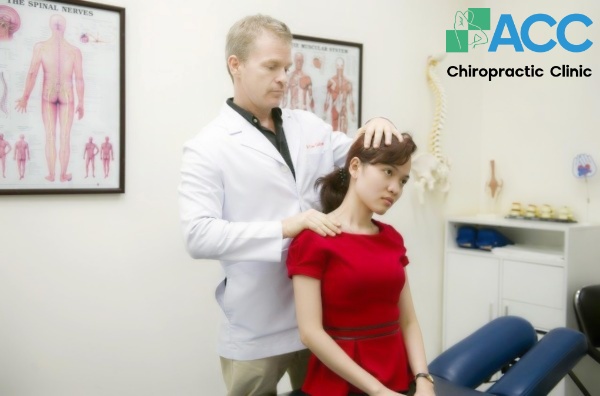
To enhance treatment efficacy and accelerate recovery time, ACC doctors also combine Chiropractic care with Physical Therapy and Rehabilitation.
In addition to being monitored throughout the treatment process, patients receive guidance from ACC doctors on nutrition, proper posture, and daily ergonomics to ensure long-term, sustainable results.
Should postpartum mothers take painkillers for neck and shoulder pain?
Many mothers worry that taking medication while breastfeeding will affect milk quality and negatively impact their baby’s health. In reality, mothers can take painkillers, BUT only under a doctor’s orders and using specifically prescribed medication. Furthermore, breastfeeding mothers taking medication must monitor their baby’s health and consult a doctor immediately if any unusual signs occur.
5. How to Prevent Postpartum Neck and Shoulder Pain
There are various ways to prevent neck and shoulder pain after both C-sections and vaginal deliveries that mothers can refer to:
- Engage in regular exercise to improve overall health.
- Maintain proper posture while breastfeeding and during daily activities.
- Keep the body warm to avoid catching a cold.
- Minimize anxiety and stress while ensuring adequate sleep after childbirth.
- Move consistently and gently to keep joints flexible and improve blood circulation.
- Eat a balanced, scientific diet: Prioritize Calcium and Vitamin D through foods like shrimp, crab, broccoli, cheese, milk, and eggs. Additionally, supplement Vitamin B to support effective blood circulation with oats, walnuts, chicken, almonds, and strawberries.
The above are the causes and effective ways to manage postpartum neck and shoulder pain. While these symptoms may subside with home remedies and lifestyle adjustments, it is important to note that if the condition worsens, mothers should visit specialized musculoskeletal centers for a thorough examination. Treating the root cause early is essential to ensure a full recovery and prevent dangerous complications.
>> Related posts: