






Contents
In addition to pain, numbness, and tingling, sciatica symptoms can manifest in various other forms depending on the location of the affected nerve root.
Today, sciatica is no longer an uncommon issue. The primary cause of the condition is the compression of the sciatic nerve, most often arising from conditions such as osteoarthritis (degeneration), herniated discs, or injuries.
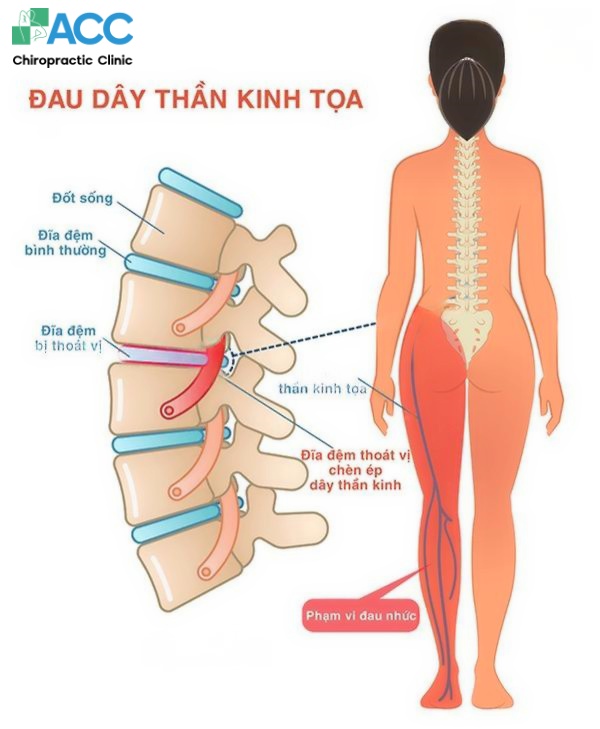
Discomfort and aching from the lower back downwards are the hallmark signs of this condition. Furthermore, the ailment brings about various other symptoms that not everyone knows how to recognize. The following article will reveal common signs while guiding you on the safest and most effective treatment methods.
1. Common Warning Signs of Sciatica
In most cases, sciatica symptoms extend from the lower back down through the buttocks and thighs, typically affecting only one side of the body. Some familiar signs that may warn of this condition include:
1.1 Pain and Aching
Sciatic pain can be continuous or intermittent. Furthermore, the intensity of the pain varies from person to person: some may only feel a mild twinge, while others endure an indescribable burning sensation. Typically, pain caused by sciatic nerve compression tends to be more severe in the leg than in the back, especially in the calf area below the knee.
1.2 Uncomfortable Numbness and Tingling
Those suffering from sciatica often experience a “pins and needles” sensation (tingling) along the back of the leg.
1.3 Muscle Weakness
Muscle weakness primarily occurs in the leg and foot. At this stage, patients may feel a heavy pressure on their legs, making it difficult to walk or even simply stand up straight.
1.4 Pain Triggered by Postural Changes
One of the most recognizable symptoms of sciatica is pain that flares up during physical movement. Even a slight shift in posture can affect the pain level, for example:
- Sitting for long periods, standing up suddenly, standing straight for a long time, bending forward, twisting, or even coughing can cause the pain intensity to increase sharply.
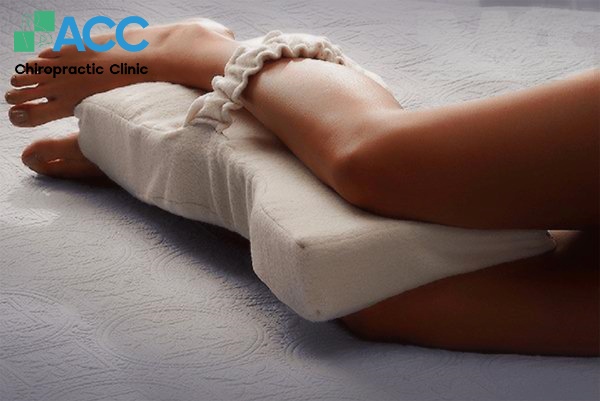
- Some patients find the pain tends to worsen while lying down, leading to sleep disturbances. In such cases, experts recommend sleeping on one’s side with a pillow tucked between the knees. This sleeping position can help alleviate some of the discomfort.
2. Sciatica symptoms vary by the affected nerve root
In addition to the common signs mentioned above, depending on the location of the nerve root compression, patients may experience other specific symptoms, such as:
2.1 Compression at the L4 Nerve Root
Sciatica originating from the L4 root can cause:
- Pain primarily concentrated in the hips, thighs, and the inner areas of the knees and calves.
- Loss of sensation (numbness) in the lower leg.
- Weakness in the thigh and hip muscles, which may cause the legs to tend to pull inward.
- Diminished knee-jerk reflex.
2.2 Sciatica at the L5 Nerve Root
Compression at the L5 nerve root can lead to:
- Pain typically arises in the buttocks and the outer side of the thigh and lower leg.
- Loss of sensation in the skin area between the first two toes (the “web space”).
- A tendency for weakness in the buttock and leg muscles.
- Difficulty in moving the ankle and lifting the big toe (dorsiflexion).
2.3 Affected S1 Nerve Root
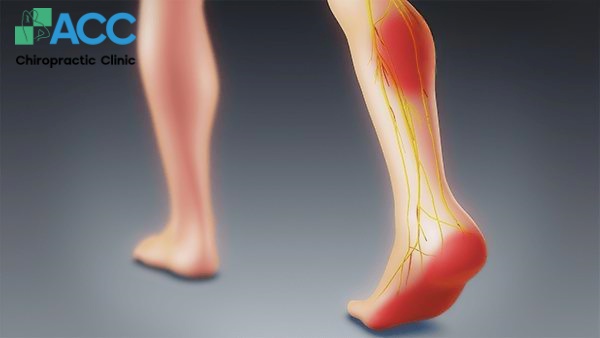
According to research, S1 nerve root compression is the most classic case of sciatica. At this stage, symptoms typically include:
- Pain radiating from the buttocks down the back of the calf and extending to the foot.
- Gradual numbness in the pinky toe, ring toe, and middle toe.
- The patient appears unable to lift their heel off the ground (difficulty walking on their toes).
- Muscle weakness in the legs and buttocks.
- Significant diminution of the ankle-jerk reflex.
3. Treating Sciatica Without Medication or Surgery
In the past, when discussing sciatica treatment, Western medicine commonly offered two methods: painkillers and surgery. However, modern doctors no longer favor these traditional approaches. The primary reason is that painkillers only treat the “tip of the iceberg” – the symptoms of sciatica rather than addressing the root cause.
Furthermore, the effects of medication are only short-term. Aching, numbness, and discomfort are highly likely to recur once the medication wears off. To cope with this, some patients take it upon themselves to extend their medication period or increase the dosage. This is strictly discouraged, as misusing painkillers carries the risk of causing gastric ulcers and severely impairing liver and kidney functions. Additionally, “traditional home remedies” of unknown origin and ingredients pose a significant danger to the patient’s health.
Surgery is not considered the optimal solution for sciatica because any surgical procedure carries unforeseen risks and complications (such as severe bleeding, post-operative infections, etc.). Moreover, there is still a possibility of recurrence after surgery. Therefore, this solution is only pursued when previous treatments have failed to produce the desired results.
Today, as an alternative to the two methods above, experts have developed an advanced, more effective, and safer approach called Chiropractic.
Why should you treat sciatica with Chiropractic? Where is the best place for treatment?
In recent years, in countries with highly advanced medical systems such as the USA, UK, and France, Chiropractic has gained a reputation for its high effectiveness and safety in treating musculoskeletal and spinal health issues, including sciatica.
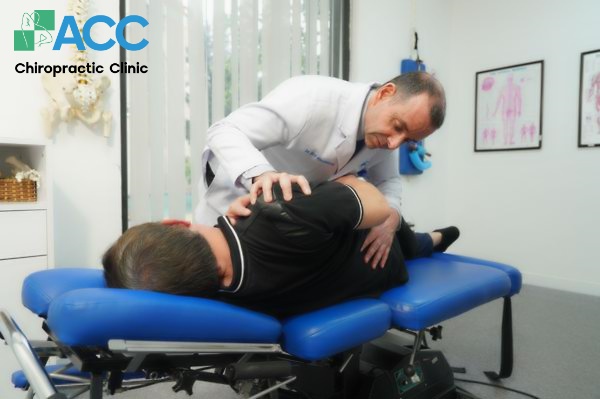
This therapy operates on the principle of manually adjusting misaligned joint structures to release pressure on the nerve roots, while simultaneously stimulating the body’s natural self-healing process. Consequently, sciatica can be completely resolved without the need for painkillers or surgical intervention.
In Vietnam today, ACC Clinic – specialized in Chiropractic – is the leading specialist in this field. ACC’s team of 100% expatriate Chiropractors, who are formally trained and highly experienced, master the precise manual techniques required for optimal adjustments, thereby maximizing the success rate of the treatment.
Although Chiropractic is still relatively new in Vietnam, ACC Clinic stands out from other facilities due to its team of doctors from the USA, Canada, France, New Zealand, South Korea, etc., combined with state-of-the-art equipment. Patients can feel completely at ease when treating at ACC, thanks to the modern facilities and a dedicated, attentive, and professional team of doctors and staff.
Our Chiropractors will develop a personalized treatment plan integrated with appropriate physical therapy for each patient, based on the severity of their condition and their current physical health.
Support from advanced technologies such as Shockwave therapy, DTS spinal decompression traction, and particularly the Pneumex Pneuback system from the USA can accelerate the recovery process for severe cases, helping patients quickly regain their quality of life and prevent pain recurrence.
We hope this article has helped you recognize common sciatica symptoms, accurately identify the affected nerve root location, and discover the most effective and safest treatment method for this condition.