




Contents
- 1. At-home Pain Relief and Joint Recovery Methods
- 2. Conservative, Non-Surgical, and Drug-Free Joint Treatments
- 3. Treating Musculoskeletal Diseases with Prescription Medication and Surgery
- 4. Where is the Best Place for Musculoskeletal Treatment?
- 5. Frequently Asked Questions (FAQs) About Joint Treatments
Nowadays, there are numerous methods to support joint recovery and treatment, including conservative approaches, medication, and surgical intervention. What makes these musculoskeletal treatments unique? Let’s explore the details in the article below.
1. At-home Pain Relief and Joint Recovery Methods
1.1. Hot and Cold Therapy
This is an easy-to-implement method that stimulates blood circulation and alleviates mild joint pain. Typically, patients should start with heat therapy followed by cold therapy. During the treatment process, combining these two can provide temporary relief from discomfort.
1.1.1. Heat Therapy
You can take hot baths or occasionally visit a sauna to help relax muscles and improve aching symptoms. Another method is using heating pads or warming devices (such as electric blankets) to help reduce inflammation and joint stiffness at night.
When applying heat therapy, you should adjust the temperature to an appropriate level (e.g., avoid excessively hot water) to prevent the risk of burns. Additionally, do not apply heat while sleeping or for longer than 20 minutes at a time.
1.1.2. Cold Therapy
Damaged cartilage tissue causes joint pain, redness, and swelling, making movement more difficult. In such cases, applying ice to the injured area effectively reduces pain. Note: Do not apply ice directly to the skin; instead, wrap it in a soft towel. Furthermore, avoid icing for too long or using ice on areas with poor blood circulation.
1.2. Posture Correction in Daily Life
Poor posture can exert excessive pressure on the spinal joints, leading to musculoskeletal pain. Conversely, maintaining proper posture while sitting, playing sports, or sleeping helps limit the onset of pain and prevents further joint damage. Therefore, during the recovery process, maintaining correct posture is vital and directly impacts treatment outcomes.

1.3. Over-the-counter (OTC) Medication
When joint pain arises, patients may use OTC painkillers. However, this can lead to “drug tolerance” and cause long-term damage to the liver, kidneys, and stomach. Even with non-prescription drugs, you should consult a doctor before use to minimize the risk of side effects.
2. Conservative, Non-Surgical, and Drug-Free Joint Treatments
Popular conservative treatment methods today which avoid surgery and medication include Chiropractic care, physical therapy, supportive devices, and acupuncture.
2.1. Chiropractic Care
In the United States and other developed nations, Chiropractic is a leading non-invasive conservative treatment based on the functional relationship between the nervous system and the spine. For the body to function normally, the spine must maintain its proper alignment. If a single vertebra is misaligned, it can impact the adjacent nerves, leading to pain and discomfort.
By applying precise manual adjustments, Chiropractic care helps return the spinal structure to its natural position. This process releases compressed nerves, thereby healing both acute and chronic pain with high safety and efficacy.
2.2. Physical Therapy
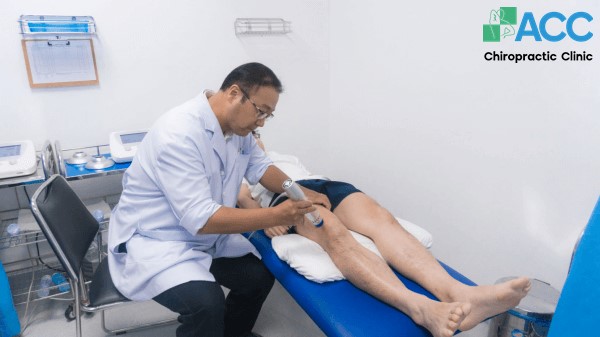
Physical therapy is a branch of rehabilitative medicine designed to alleviate pain and enhance the body’s range of motion. This joint treatment approach is categorized into two forms: active physical therapy and passive physical therapy.
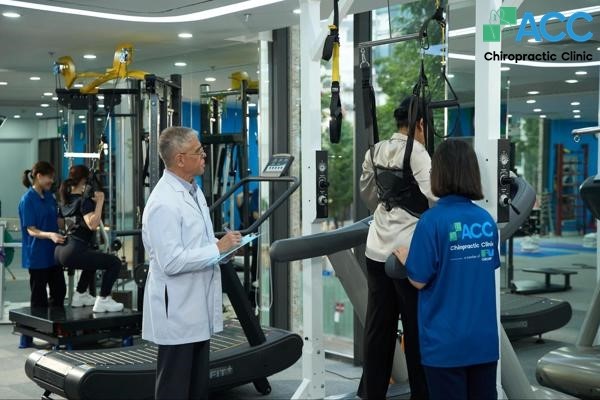
- Active Physical Therapy: Includes personalized exercise programs such as stretching, equipment-assisted exercises, or aquatic therapy. These help promote blood circulation and strengthen weakened muscle groups.
- Passive Physical Therapy: Utilizes modern technology (Shockwave therapy, High-intensity Laser, spinal decompression machines) to treat both acute and chronic musculoskeletal conditions related to spinal degeneration and herniated discs. These technologies not only accelerate recovery but also minimize treatment time, helping patients quickly return to their daily lives.
2.3. Supportive Devices (Orthotics)
Supportive devices help alleviate pain and contribute to a more effective treatment process for musculoskeletal pathologies. For example, medical grade foot orthotics with specialized designs provide essential support and help reconstruct the arch for individuals with flat feet. This intervention plays a crucial role in improving and preventing issues such as scoliosis, knee osteoarthritis, and arthritis.
2.4. Acupuncture
According to Traditional Chinese Medicine, acupuncture is a method to unblock the flow of “Qi” (energy) and blood, providing natural pain relief without medication. From a scientific perspective, acupuncture stimulates the body to release Endorphins, which help reduce pain, enhance blood circulation, and improve sleep quality. Today, acupuncture is often integrated with other treatment modalities to improve joint conditions and accelerate the recovery process.
2.5. Radiofrequency Ablation (RFA)
RFA is a treatment method for inflammatory joint diseases. The doctor inserts a specialized needle into the painful area and uses an electrical current to numb or destroy the nerves transmitting pain signals. This effectively alleviates the pain caused by various musculoskeletal pathologies.
3. Treating Musculoskeletal Diseases with Prescription Medication and Surgery
In certain cases, doctors may prescribe medication or recommend surgical intervention to treat joint conditions. The details are as follows:
3.1. Medication
Prescription treatments for joint diseases include topical, oral, and injectable forms. Depending on the specific condition, the doctor will prescribe the most suitable option:
- Topical Medications: These are applied directly to the skin over the painful joint area. They include sprays, creams, and medicated patches.
- Oral Medications: These drugs aim to reduce pain, fight inflammation, regenerate cartilage, and enhance overall joint health. However, they must be used strictly under a doctor’s prescription to avoid potential side effects.
- Injectable Medications: Joint injections are typically used to manage acute inflammation and pain. Corticosteroid injections provide rapid relief for both pain and swelling, while Hyaluronic Acid injections act as a natural lubricant to improve the viscosity of the joint fluid.

3.2. Surgery
Surgery is considered when pain persists and conservative joint treatments have proven ineffective. However, this is viewed as a last resort because musculoskeletal surgery carries various risks, such as infection, nerve or vascular damage, reactions to anesthesia or allergies, and joint complications (stiffness or instability). Furthermore, the recovery period following surgery is often prolonged and requires strict adherence to the doctor’s post-operative instructions.
4. Where is the Best Place for Musculoskeletal Treatment?
ACC is proud to be the first Chiropractic clinic in Vietnam licensed by the Ministry of Health. For over 20 years, the clinic has established its quality and reliability in providing musculoskeletal care for the Vietnamese people.
Why choose ACC for joint treatment?
- Member of Prestigious Corporations: ACC is a member of FV Hospital, part of the Thomson Medical Group (Singapore). This allows patients to experience scientific, international-standard examination procedures and the most advanced conservative treatments available today, accelerating the recovery process.
- International Standards & Personalized Treatment: At ACC, every patient receives a personalized treatment protocol. This multidisciplinary approach combines Chiropractic care, Physical Therapy & Rehabilitation, and Medical Grade Foot Orthotics. Supported by state-of-the-art imported equipment such as the Pneumex PneuBack rehabilitation system, DTS spinal decompression table, Class IV Laser, Shockwave therapy, Vertetrac, and Cervico 2000 we optimize clinical outcomes for a fast and comprehensive recovery.
- Dedicated Team of Doctors and Specialists: Our Chiropractic doctors are 100% expatriates with years of experience practicing in various countries (including Thailand, the UK, and Singapore). The entire ACC team is committed to providing long-term support. We focus not only on treating current issues but also on preventing recurrence, helping patients maintain spinal health over time.
- Streamlined & Professional Experience: ACC offers a streamlined and professional clinical workflow. This ensures a comfortable, time-saving experience for customers, providing peace of mind and satisfaction from their very first visit.
5. Frequently Asked Questions (FAQs) About Joint Treatments
Below are common questions regarding musculoskeletal treatments and their respective answers for your reference:
5.1. Is surgery always necessary for musculoskeletal diseases?
Surgery is not always required for musculoskeletal patients. It is considered a last resort only when conservative treatment methods are no longer effective.
5.2. Do I need to lose weight if I have joint issues?
Yes. Particularly for patients with obesity, losing weight can help alleviate pain caused by arthritis, especially knee osteoarthritis. However, patients should not attempt to lose weight unsupervised; instead, they should follow a doctor’s protocol to ensure safety and effectiveness.
5.3. Should joint patients limit physical activity?
No. Instead, musculoskeletal patients should engage in gentle and regular physical activity. This helps reduce the risk of joint stiffness and supports effective weight management to limit pressure on the joints.
In conclusion, current musculoskeletal treatment methods are highly diverse, ranging from modern medicine to traditional practices, each with its own unique advantages. Selecting the appropriate treatment should be based on your specific health condition and professional medical advice. Furthermore, maintaining a healthy lifestyle, exercising reasonably, and following a scientific nutritional plan play vital roles in protecting and enhancing joint health.
