








Contents
Lumbar bone spurs are one of the primary manifestations of spinal degeneration. While this condition was previously common only among middle-aged and elderly individuals, recent years have seen a rising trend of bone spurs occurring in younger populations.
The resulting lower back pain not only causes physical distress and exhaustion making daily activities difficult but also severely diminishes one’s quality of life. Early detection and proper treatment of lumbar spine spurs are essential for helping patients quickly return to their normal daily routines.
1. Causes of Lumbar Bone Spurs
Lumbar bone spurs occur when bony projections (osteophytes) develop along the lumbar spine (the area between the ribcage and the pelvis). The appearance of these spurs is the result of calcium deposits on ligaments and vertebrae, or the body’s attempt to repair itself after trauma, impact, or prolonged pressure on the spine.
Specifically, when joints become inflamed, the body adapts by growing bone spurs around the spinal joints. While this process is intended to protect the joint, it ultimately leads to the formation of spinal spurs.
Additionally, lumbar bone spurs can be triggered by the following factors:
- Poor Posture & Habits: Standing or sitting for too long, lifting heavy or bulky objects, and sleeping in incorrect positions increase the risk.
- Aging: As we age, body organs including the spine naturally degenerate. This explains why the elderly are more susceptible to bone spurs and other musculoskeletal conditions.
- Lifestyle Factors: Overweight individuals, regular smokers, and those who frequently consume alcohol or stimulants are at higher risk.
- Related Spinal Conditions: Conditions such as ankylosing spondylitis, spinal tuberculosis, or discitis/vertebral inflammation.
2. Symptoms of Lumbar Spine Spurs
Lower back pain is the primary symptom. Depending on the severity, patients may experience persistent aching or occasional bouts of intense pain. Common characteristics include:
- Pain centered in the lower back that may radiate to the groin or legs.
- Persistent pain lasting up to 6 weeks.
- Pain that intensifies with movement (bending, lifting, twisting) or maintaining strenuous postures (prolonged sitting or standing).

Lower back pain in women can be attributed to various factors, ranging from common causes to underlying medical conditions. This article details the causes of lower back pain specific to women and provides guidance on when a doctor's consultation is necessary. 1. Causes of Lower Back Pain in Women Causes…

If left untreated, bone spurs can compress spinal nerves. When spurs develop on the posterior side and press deeply into nerve roots, patients face a high risk of losing motor function in both lower limbs. Therefore, it is crucial to consult a specialist immediately upon noticing signs of nerve compression.
3. Diagnostic Methods
Diagnosis is based on medical history, physical examinations, and specialized tests:
- X-ray: Identifies the location of the spurs and the extent of bone damage.
- Electromyography (EMG): Measures the speed of nerve signals to determine the level of spinal nerve damage.
- MRI Scan: Checks for nerve root compression and intervertebral disc damage.
- CT Scan: Provides detailed images to observe changes in bone structure and the degree of nerve impingement.
- Blood Tests: Used to rule out back pain caused by other underlying medical conditions.

4. Treatment Options for Lumbar Bone Spurs
4.1. Rest
When experiencing pain or fatigue, patients should rest and relax. However, avoid staying in bed for too long, as it can impair blood circulation. Patients are encouraged to perform home-based exercises specifically designed for spinal spurs to support recovery.
Note: This method only provides temporary relief. Consult a specialist before starting any exercise routine to avoid further spinal injury.
4.2. Hot and Cold Therapy
Applying heat or cold can soothe the pain. Use a warm compress or an ice pack wrapped in a towel directly on the affected area. Ensure the temperature is moderate to avoid burns or skin irritation.
4.3. Conventional Medication
Pain relievers and anti-inflammatories (Paracetamol, Ibuprofen, Diclofenac, Corticoids, or Vitamin B groups) may be prescribed to reduce pain and numbness.
Caution: While medication provides quick relief, it does not remove the bone spurs. Overuse or self-medication can lead to severe liver, kidney, and stomach damage.
4.4. Surgical Intervention
Surgery to remove spurs is usually a last resort, reserved for severe cases where spurs compress the spinal cord or nerves, causing spinal stenosis.
Risks include infection, long recovery times, and potential rejection of implants. Furthermore, since spurs are a natural response to inflammation, there is a high risk of recurrence in the same location after surgery.
4.5. Drug-Free and Non-Surgical Treatment
Most bone spurs are caused by spinal degeneration. If the root cause is not addressed, new spurs will continue to grow even after surgical removal. By treating the underlying degeneration, the impact of bone spurs can be effectively managed.
At ACC Clinic, our specialists utilize Chiropractic care combined with Physiotherapy to treat the root cause of pain without drugs or surgery. This safe and effective approach is widely used in the United States and other developed countries.
To maximize results, patients may undergo advanced specialized therapies including:
- DTS Spinal Decompression Therapy
- ATM2 Active Therapeutic Movement
- Shockwave Therapy
- Class IV Laser Therapy
- Vertetrac Decompression Device
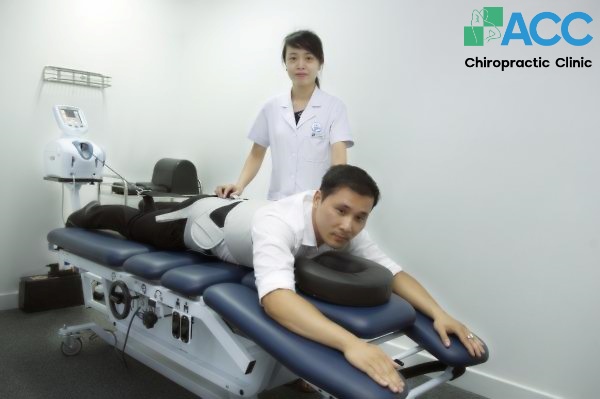
For effective recovery, early examination and choosing the right treatment path are vital. Patients should also adopt a scientific lifestyle, quit harmful habits, and maintain a nutrient-rich diet.
>> Related posts: