





Contents
Lumbar disc herniation at L5-S1 is a fairly common condition in people aged 30-50. Most patients only discover and treat the condition when it has progressed to a severe stage. Early recognition of symptoms and appropriate treatment will increase the chances of recovery and prevent dangerous complications.
1. What is L5-S1 Lumbar Disc Herniation?
To understand this condition, we first need to look at the anatomy of the spine. The human vertebral column consists of 33 vertebrae, divided into 5 distinct regions:
- 7 Cervical Vertebrae (C1-C7): The neck region.
- 12 Thoracic Vertebrae (T1-T12): The upper/mid-back (formerly referred to as D1-D12).
- 5 Lumbar Vertebrae (L1-L5): The lower back, which bears the most body weight.
- 5 Sacral Vertebrae (S1-S5): These are fused together to form the Sacrum (pelvic back wall).
- 4 Coccygeal Vertebrae: Fused to form the Coccyx (tailbone).

The “Hinge” of the Spine: Why L5-S1 is Vulnerable
The L5-S1 disc is situated at the very bottom of the spine, sandwiched between the 5th lumbar vertebra (L5) and the 1st sacral vertebra (S1).
The Pivot Point: This segment acts as the primary “hinge” for the lower back. It bears the cumulative weight of the entire upper body while facilitating complex movements like bending, twisting, and arching.
The Injury Mechanism: Because it is subjected to these immense multidirectional forces, the L5-S1 disc is the most statistically probable site for degeneration and injury.
Definition: L5-S1 Lumbar Disc Herniation occurs when the tough outer ring (annulus fibrosus) ruptures. This allows the gel-like center (nucleus pulposus) to leak into the spinal canal. This displaced material compresses the sensitive nerve roots (specifically the S1 nerve root) and the protective spinal covering (thecal sac).
2. Is L5-S1 Herniation Dangerous? (Symptoms & Warning Signs)
Yes, it can be severe. Because the L5-S1 segment controls the nerves running to the legs and feet, the condition affects more than just the back.
2.1. Common Symptoms Include:
- Local Lower Back Pain: Patients often feel a sharp, persistent, or dull ache at the waistline.
- The “Valsalva” Effect: Pain intensifies significantly when internal abdominal pressure increases, such as during coughing, sneezing, or straining (bowel movements).
- Postural Pain: Symptoms worsen when standing or sitting for long periods and typically improve when lying down (offloading the spine).
- Sciatica (Radiculopathy): In severe cases, the herniation compresses the sciatic nerve. This causes shooting pain, numbness, or a “pins and needles” sensation that radiates from the buttocks down the back of the thigh, into the calf, and often to the outer edge of the foot or little toe (a classic sign of S1 nerve involvement).

2.2. The Cost of Complacency: Why You Should Not Self-Medicate
According to Dr. Rob Sleiman, Medical Director of ACC, a dangerous pattern exists among patients: most resort to self-medication or temporary home remedies when pain first appears. Consequently, they only seek professional medical help when the condition has progressed to a severe, chronic stage, making treatment significantly more challenging.
2.3. Complications of Untreated L5-S1 Herniation:
If left unchecked, compression at the L5-S1 level can lead to debilitating, sometimes permanent, consequences:
- Chronic Radicular Pain (Sciatica): The pain evolves from a local backache to severe shooting pain running down the leg. This “root pain” can become constant, making walking or even standing unbearable.
- Sensory Deficits (Numbness): Patients may experience “Saddle Anesthesia” or a loss of sensation in the toes and outer foot. This includes the inability to distinguish between hot and cold stimuli, increasing the risk of accidental injury.
- Motor Paralysis (Weakness): Compression of the S1 nerve root causes weakness in the calf muscles. This leads to an inability to stand on tiptoes or push off with the foot while walking. In extreme cases, it results in paraplegia (paralysis of both legs).
- Cauda Equina Syndrome (Medical Emergency): This is the most dangerous complication. It involves sphincter dysfunction, leading to urinary retention (inability to pee) or total loss of bladder/bowel control (incontinence). This requires immediate emergency surgery to prevent permanent paralysis.
3. Causes of L5-S1 Lumbar Disc Herniation
The development of a herniated disc is rarely due to a single event. Instead, it is typically the result of gradual degeneration combined with mechanical stress.
3.1. Natural Degeneration (The Underlying Cause)
The primary culprit is the natural aging process, known as Degenerative Disc Disease.
The “Drying Out” Process: Starting around age 30, the discs naturally begin to lose hydration (desiccation). The nucleus pulposus becomes less flexible and more brittle.
Structural Weakness: Simultaneously, the tough outer ring (annulus fibrosus) develops micro-tears. This weakened structure becomes unable to withstand the same pressure it could in youth, setting the stage for a herniation.
3.2. Mechanical Triggers (The “Final Straw”)
Once the disc is weakened by age, specific daily activities or sudden movements can cause the outer ring to finally rupture.
- Improper Lifting: The most common trigger is “bending and twisting” simultaneously. Bending forward to lift a heavy object (or even a light one) without bending the knees places massive torque specifically on the L5-S1 joint.
- Prolonged Sitting (Occupational Hazard): Sitting actually places 40% more pressure on the lumbar spine than standing. Office workers or drivers who sit for long periods with poor posture (slouching) force the L5-S1 disc backward, increasing the risk of posterior herniation.
- High-Impact & Rotational Sports:
- Compression Sports: Weightlifting (especially squats/deadlifts with poor form) compresses the spine.
- Rotational Sports: Tennis, Golf, and Baseball require sudden, violent twisting of the waist.
- Impact Sports: Football or basketball involves sudden stops and landings that jar the spine.
- Hyperextension: Movements like reaching high on tiptoes or arching the back excessively can pinch the posterior part of the disc.
3.3. Other High-Risk Factors
Beyond aging and daily habits, several specific conditions significantly accelerate the damage to the L5-S1 disc:
- Traumatic Injury: Sudden, violent forces from events like traffic accidents, falls from significant heights, or workplace mishaps can cause an immediate rupture of a healthy disc or severely aggravate a degenerating one.
- Congenital & Structural Anomalies: Individuals born with spinal irregularities are genetically predisposed to herniation. Common conditions include:
- Spina Bifida: A birth defect where the spine and spinal cord don’t form properly.
- Scoliosis: Abnormal curvature of the spine.
- Lumbar Osteoarthritis: Early onset arthritis in the lower back. These conditions create uneven pressure distribution, causing certain discs to wear out faster than others.
- Overweight & Obesity: Excess body weight acts as a constant, 24/7 mechanical burden on the spine.
- The Mechanism: The L5-S1 disc bears the brunt of this extra load. Over years, this chronic compression crushes the disc height, causing it to lose elasticity and hydration.
The Result: The disc becomes brittle and prone to bulging or herniation even with minor movements.
4. Safe and Effective Treatment for L5-S1 Herniation at ACC
Globally, Chiropractic care is recognized as the gold standard for treating disc herniation without the risks of drugs or surgery. As the pioneer who introduced this method to Vietnam in 2006, ACC Clinic focuses on treating the root cause rather than just masking symptoms.
4.1. The Core: Chiropractic Adjustment
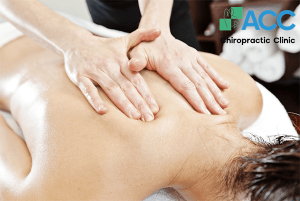
Our doctors use precise manual manipulation to adjust misaligned vertebrae (subluxations) back to their correct biological positions.
Mechanism: By correcting the spinal structure, we physically relieve the pressure on the L5-S1 disc and the surrounding nerve roots, allowing the body’s natural healing process to begin.
4.2. The Synergy: Physical Therapy & Advanced Technology
To accelerate recovery, we combine adjustment with a customized Physical Therapy regimen using state-of-the-art technology:
- Spinal Decompression (DTS & Vertetrac): Gently stretches the spine to create negative pressure within the disc, helping to retract the herniated nucleus back into the center.
- Tissue Healing (Shockwave & Laser IV): We utilize Shockwave Therapy and 4th Generation High-Intensity Laser to penetrate deep into tissues, instantly reducing inflammation and stimulating cellular regeneration at the injury site.
- Active Rehabilitation (ATM2): The ATM2 Active Motion machine helps patients exercise pain-free, retraining the brain and muscles to stabilize the spine.
4.3. The Breakthrough for Severe Cases: Pneumex PneuBack
For patients with severe L5-S1 herniation or those who have failed with other decompression methods, ACC offers the exclusive Pneumex PneuBack program.
Origin: Invented by Gerry Cook (a prominent engineer from the Boeing 747 development team), this system applies advanced aerospace engineering principles to spinal rehabilitation.
The 7-Step Protocol: It utilizes 4 distinct types of flexibility designed decompression equipment to treat the spine from every angle:
- PneuVibe Pro (Vibration): Decompression in a standing position combined with vibration to relax deep muscle spasms.
- Pneuweight Treadmill (Gait Training): A specialized unweighting system that allows patients to walk and run with reduced body weight, retraining their gait without pain.
- PneuVibro (Pulse Table): Decompression in a lying position with vibration to separate vertebrae.
- PneuBack Chair: Creates a strong decompression force in a seated position, specifically targeting the lumbar curve.
4.4. Personalized Care
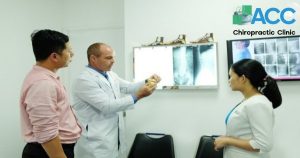
There is no “one-size-fits-all” cure. ACC’s Spine Neurology Specialists conduct thorough examinations and review MRI/X-ray results to design a specific treatment plan tailored to the severity of your L5-S1 injury, ensuring the highest probability of recovery.
Why Choose ACC? The Pioneer in Herniated Disc Treatment
As the first chiropractic center in Vietnam, ACC Clinic has set the standard for musculoskeletal care for over 15 years. We proudly stand as the top choice for thousands of patients—both domestic and international—seeking a permanent solution to their pain.
- Our Proven Track Record: We do not just manage pain; we treat it.
- Non-Surgical & Drug-Free: We have successfully treated herniated discs (specifically L5-S1) without a single pill or surgery.
- Holistic Regimen: Our unique combination of Chiropractic Adjustment and Physical Therapy addresses the root cause of spinal degeneration.
The Result: We have achieved a clinical success rate exceeding 95%, helping patients return to an active, pain-free life.
Don’t let L5-S1 pain dictate your life. Contact ACC today to consult with our specialized doctors and start your journey to recovery.
5. How to Prevent Herniated Discs
L5 S1 herniated discs cause worry for many patients. Therefore, everyone should change habits that put pressure on the spine:
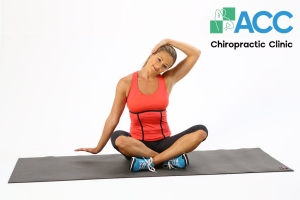
- Limit sitting for too long, especially for office workers, who should do some back exercises at their desks. Also, every hour, stand up and walk around, doing light exercise.
- Avoid sudden changes in posture or unexpected twisting of the spine. It’s best to keep the spine straight in daily activities.
- Avoid lifting heavy objects, especially lifting objects while bending over.
- Do not overexert yourself or play sports for extended periods, and do not exercise when your body is weak.
- Exercise regularly for 30 minutes each day, choosing sports suitable for your gender, age, and physical condition. Learn about sports suitable for people with herniated discs HERE
- Control your weight to avoid being overweight or obese, which puts pressure on the spine.
- Supplement with plenty of calcium and vitamins to strengthen bones and joints. At the same time, limit stimulants, and quit alcohol and tobacco.
- Regular health checkups are recommended.
If you experience any sudden pain, severe intermittent pain, or persistent dull pain, you should see a doctor immediately for timely diagnosis and treatment.