








Contents
Knee laxity (knee instability) is a common condition occurring when the Anterior Cruciate Ligament (ACL) is damaged due to various causes. If not treated promptly, it can lead to dangerous complications and significantly affect mobility. So, how can you identify if your knee is loose? What are the appropriate treatment methods? Let’s find the answers in the following article.
1. What is Knee Laxity?
As seen in the anatomical structure of the knee, the Anterior Cruciate Ligament (ACL) is an essential component. It is responsible for stabilizing the knee joint by securely connecting the tibia (shin bone), patella (kneecap), and femur (thigh bone).
If the ACL is damaged, its inherent stabilizing function is compromised, and the structural alignment within the knee is lost. This results in a “loose” sensation in the joint whenever the leg is in motion, a condition medically referred to as knee laxity or knee instability.

2. Causes of Knee Laxity (Knee Instability)
Knee instability can stem from various causes, including physical injuries and underlying medical conditions. Specifically:
2.1. Physical Injuries
Impacts from motor vehicle accidents or sports-related injuries can exert direct force on the knee, leading to significant damage or tearing of the Anterior Cruciate Ligament (ACL).
2.2. Knee Osteoarthritis (Degenerative Joint Disease)
As the protective cartilage wears down, it becomes rough and irregular, causing the bones to rub more closely and forcefully against each other. This process leads to Knee Osteoarthritis. If the condition is not treated early, the progressive degradation of the joint structures can result in symptoms of knee laxity.
2.3. Complications from Previous Knee Dislocations
Individuals with a history of knee dislocations (episodes where the joint was previously displaced) face a high risk of developing knee laxity and severe ligament damage. If not treated promptly, joint function will decline, significantly compromising the patient’s mobility.
2.4. Ehlers-Danlos Syndrome (EDS)
This is a group of genetic disorders that affect connective tissues, primarily the skin and joints. People with this syndrome often have fragile, stretchy skin and hypermobile joints. The connective tissues between joints are unusually loose, allowing the joints to move far beyond their normal range of motion.
2.5. Unhealthy Lifestyle Habits
Factors such as high-intensity physical overexertion, frequent heavy lifting, smoking, and excessive alcohol consumption can all place undue pressure on the knees, including the ligaments. Over time, this cumulative strain can lead to knee laxity.
3. What Are the Symptoms of Knee Laxity?
Patients with knee instability typically experience the following symptoms:
- Discomfort: Aching sensations, numbness, or a tingling “pins and needles” feeling in the knee.
- Swelling: Inflammation occurring within the first few hours following an injury.
- Reduced Strength: Significant weakness in the leg, leading to impaired mobility.
- Limited Range of Motion (ROM): Difficulty in moving the knee through its full natural arc.
- Instability (Giving Way): A high risk of the knee “buckling” or giving out when walking quickly or navigating uneven terrain and obstacles.
- Weight-bearing Issues: Difficulty supporting the body’s weight on the affected leg.
- Recurrent Injuries: Frequent episodes of re-injury or dislocation.
- Joint Noises: The knee often produces audible popping, clicking, or cracking sounds (crepitus).
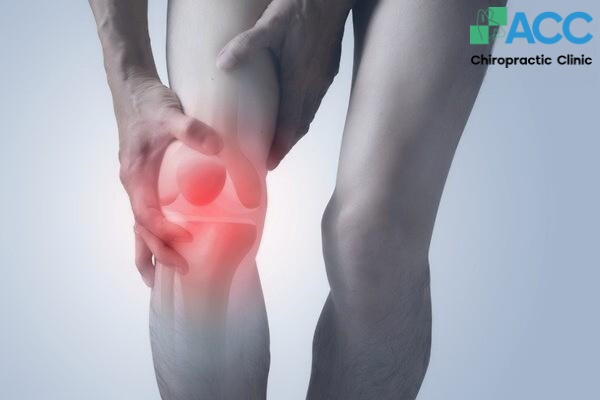
4. Is Knee Laxity Dangerous?
Prolonged knee instability not only impairs a patient’s mobility but also increases the risk of severe complications, such as muscle atrophy or permanent paralysis. Therefore, as soon as you suspect signs of knee laxity, immediate examination and treatment are essential to achieve optimal recovery from the outset.
5. Diagnostic Methods for Knee Laxity
To accurately diagnose the degree of joint instability, doctors may prescribe the following:
- Beighton Scoring System: A widely used clinical assessment to evaluate joint hypermobility. The doctor will ask the patient to perform a series of maneuvers, such as bending forward to place palms flat on the floor while keeping the legs straight.
- Knee X-ray: Allows the doctor to visualize the joint structure and determine if the cause is trauma-related or due to other skeletal issues.
- MRI Scan: A crucial diagnostic tool that helps the doctor identify the exact location and extent of soft tissue damage contributing to knee laxity.
- CT Scan: While less commonly used for instability alone, a CT scan provides detailed information on fragmented parts of the knee when a fracture is suspected.
6. Safe and Effective Treatments for Knee Instability
After identifying the root cause through clinical examination and diagnostic tests, the doctor will propose a suitable treatment plan:
6.1. Painkillers and Anti-inflammatory Drugs
Patients may use medications such as Paracetamol or Non-Steroidal Anti-Inflammatory Drugs (NSAIDs) like Aspirin or Ibuprofen to suppress inflammation and alleviate discomfort.
To ensure safety, these medications should only be taken under a doctor’s prescription. Incorrect dosage or prolonged use can lead to side effects affecting the liver and kidneys, and increase the risk of gastric ulcers. Furthermore, painkillers only mask the symptoms of knee laxity and cannot treat the root cause.

6.2. ACL Reconstruction Surgery
Anterior Cruciate Ligament (ACL) surgery is typically indicated when knee laxity becomes severe such as a complete ligament tear, significant joint displacement causing vascular damage, or when conservative medical treatments fail. This surgical approach aims to repair damaged connective tissue, stabilize the knee structure, and address any related nerve root complications.
Statistics show a relatively high success rate for ACL surgery; however, it still carries several potential risks and complications:
- Persistent Pain: Knee aching can recur even after a successful operation, often due to nerve damage sustained during the procedure.
- Vascular Complications: Accidental damage to surrounding blood vessels can lead to internal bleeding, capillary blockage, or thrombus formation (blood clots).
- Post-operative Infection: A risk at the incision site.
- Reduced Mobility: The knee may feel stiffer and weaker than before, with a significantly narrowed Range of Motion (ROM).
- Graft Rejection: In cases of ligament grafting, there is always a risk that the body may reject the new tissue.
6.3. Non-Surgical and Drug-Free Treatments for Knee Laxity
With today’s rapid advancements in medical science and technology, treating knee instability without drugs or surgery has become the ideal therapeutic direction.
In Vietnam, ACC Clinics, a leading specialist in Chiropractic care, specializes in implementing non-surgical, drug-free protocols for musculoskeletal and spinal conditions. At ACC, patients undergo a thorough clinical examination to accurately identify the underlying cause of their joint pathology, allowing our doctors to develop a clear and personalized
For cases of knee laxity, ACC Clinic doctors will propose a comprehensive treatment protocol including the following methods:
Chiropractic Care
The primary goal of this therapy is to stabilize the knee structure by adjusting and realigning misaligned bones and joints back to their original, natural positions. Through these precise adjustments, Chiropractic care helps to:
- Relieve pressure on the nerves surrounding the knee joint.
- Activate the body’s innate self-healing mechanism for the damaged Anterior Cruciate Ligament (ACL).
As a result, knee instability can be thoroughly addressed, eliminating pain without the need for surgery or medication.
Patients should note that treating a loose knee joint with Chiropractic must be performed by doctors who have undergone 6 to 8 years of formal training in the field. These specialists possess the expertise to accurately identify the specific areas requiring adjustment and can precisely control the manual force used, ensuring the treatment is both safe and effective.
ACC is proud to house a team of 100% formally trained Chiropractic specialists from developed nations (such as the USA, New Zealand, and South Korea). We have successfully treated thousands of Vietnamese patients suffering from knee and ligament issues.
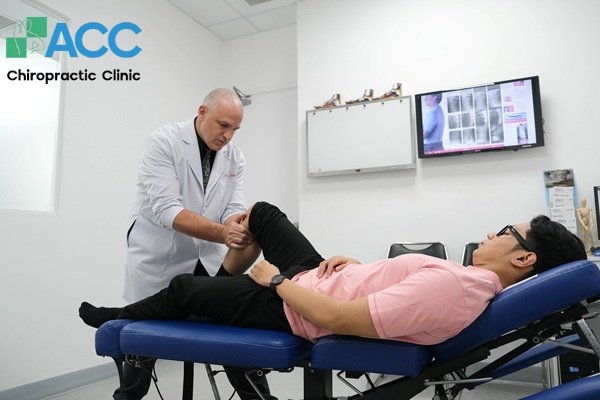
During the consultation, the doctor conducts a thorough examination to determine if the patient’s condition meets the criteria for Chiropractic treatment. If eligible, the specialist will precisely identify the affected areas and perform gentle, technically sound adjustments. Following the treatment, ACC doctors provide detailed guidance on home care, nutrition, and daily lifestyle adjustments to ensure a rapid recovery and maintain long-term pain relief.
Class IV High-Intensity Laser Therapy and Shockwave Therapy
To enhance the recovery process following Chiropractic care, ACC doctors may prescribe Shockwave Therapy and Class IV High-Intensity Laser Therapy. These two methods can penetrate deep into the damaged Anterior Cruciate Ligament (ACL) area, stimulating the formation of new cells. This significantly increases the patient’s chances of restoring full functional mobility to the ACL and the entire knee region.
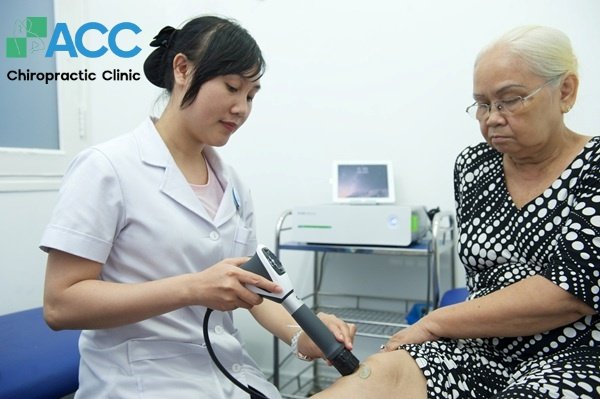
Additionally, the ligament and knee rehabilitation program at ACC Clinic includes specialized Physical Therapy. Our therapists guide patients through tailored exercises designed to shorten recovery time while minimizing the risk of re-injury.
Below is the essential information regarding the knee pain treatment protocol at ACC for your reference:
The above provides comprehensive details on knee laxity, covering everything from causes and symptoms to effective treatment options. If you suspect that an injury or a musculoskeletal condition is causing your knee to feel unstable, you should immediately visit a reputable medical facility for timely intervention. Early treatment is crucial to preventing dangerous complications that could permanently impair your mobility.