







Contents
Foot pain during running is common after periods of high-intensity training. Since the feet bear the most weight while running, unexplained aches often occur. Identifying the root cause of the pain will help you prevent and effectively treat foot conditions.
1. Causes of Foot Pain When Running
Pain can occur in one or multiple areas of the foot simultaneously, stemming from various causes. Specific conditions include:
1.1. Flat Feet
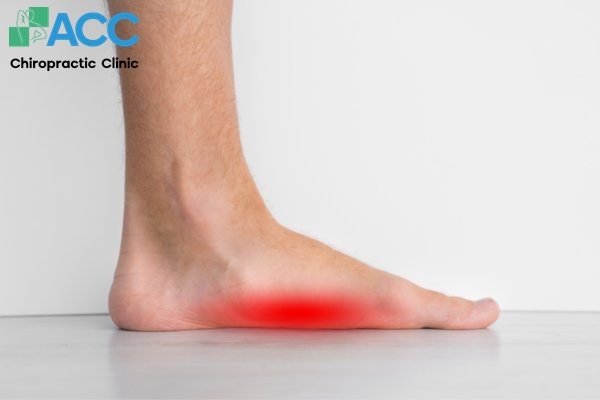
Discomfort or aching in the arch of the foot can be a primary symptom of Flat Feet Syndrome. This condition is characterized by a visibly flat arch, where the inner edge of the foot tends to collapse inward and touch the ground while standing or walking (overpronation), leading to mobility issues.
As a common deformity, it causes body imbalance because the feet lack the necessary flexibility to absorb impact. Individuals with this syndrome should seek treatment as early as possible to prevent serious long-term complications.
1.2. Tendonitis
A common sign of tendonitis is foot pain that restricts mobility. Symptoms vary depending on the specific type of tendon affected. For instance, posterior tibial tendonitis causes pain in the midfoot/arch area, while Achilles tendonitis typically results in aching along the Achilles tendon and behind the heel.
1.3. Ankle Fractures
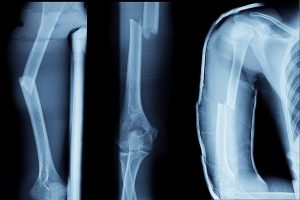
Pain from an ankle fracture often originates at the top of the foot, accompanied by swelling, and progressively worsens without timely treatment. This injury frequently occurs when returning to high-intensity or fast-paced running after a long period of inactivity.
1.4. Neuroma
A burning sensation or sharp, shooting pain radiating from the ball of the foot to the toes while running may indicate a neuroma (such as Morton’s Neuroma). This condition occurs when nerves near the forefoot become swollen, often due to wearing shoes that are too tight or narrow.
1.5. Arthritis
Arthritis generally appears in two forms: Osteoarthritis, caused by wear and tear or trauma, and Rheumatoid Arthritis, an autoimmune disorder. Specifically, rheumatoid arthritis causes swelling and pain in the feet, leading to a significant loss of flexibility and range of motion.
1.6. Plantar Fasciitis
If you experience a sharp, stabbing pain in your heel upon waking up in the morning or after sitting for a long time, it may be a sign of Plantar Fasciitis. While the pain typically subsides after a few steps, it often intensifies during or after strenuous physical activity.
1.7. Calluses
Calluses on the sole of the foot form due to repeated friction against hard surfaces. If a callus becomes excessively thick, it can cause significant discomfort and foot pain during running.
1.8. Metatarsalgia
Pain in the ball of the foot (the area just behind the toes) is a classic symptom of metatarsalgia. You may also feel a prominent bump or sensation under the big toe joint. Common causes include overuse injuries, foot deformities, or wearing ill-fitting footwear.
Additionally, foot pain while running can also be caused by:
- Ill-fitting footwear or overtightening laces: Wearing the wrong shoe type or tying laces too tightly.
- Insufficient warm-up: Failing to warm up properly, preventing the body from adapting to the physical strain.
- Overtraining: Excessive running that leads to muscle fatigue and repetitive stress.
>> Read more: Common running injuries and how to prevent them?
2. Is Pain in the Arch or Sole of the Foot Dangerous?
Based on the information above, it is clear that foot pain during running is not merely a result of overtraining or poor warm-up habits; it can also be a warning sign of underlying medical conditions.
Therefore, if you experience frequent, persistent foot pain that does not subside, you should seek a medical examination promptly for timely treatment and to avoid serious complications. For instance, prolonged foot pain can lead to:
- Vascular Complications: Such as thromboangiitis obliterans (clogged arteries), glomus tumors, etc.
- Neurological Issues: Including peripheral neuropathy or sciatica caused by a herniated disc.
- Musculoskeletal Diseases: Such as chronic arthritis, stress fractures, and joint degeneration.

3. How to Treat Foot Pain from Running
3.1. Home Remedies for Pain Relief
Rest is the most effective way to support the recovery of foot pain. It is recommended to minimize standing, walking, and running until you have fully recovered. The required recovery time will vary depending on the severity of the pain.
In addition, consider the following methods:
- Elevation: Keep your feet elevated above the level of your hips to improve blood circulation.
- Ice Therapy: Apply ice packs to the affected area to soothe pain and prevent or reduce inflammation.
- Warm Soaks: After running, soaking your feet in warm water (with a bit of salt) for about 10 minutes can help relieve pressure and tension in the feet.
Furthermore, to prevent recurrence, ensure you implement an appropriate recovery schedule after every run or long walk.
3.2. Over-the-Counter (OTC) Pain Relief
Certain non-prescription medications can help reduce inflammation and foot discomfort, such as naproxen sodium, ibuprofen, and acetaminophen. While these medications may alleviate pain, they carry potential side effects, including gastric issues, liver damage, or kidney impairment. Therefore, usage should be limited.
3.3. Medical Orthotics (For Flat Feet)
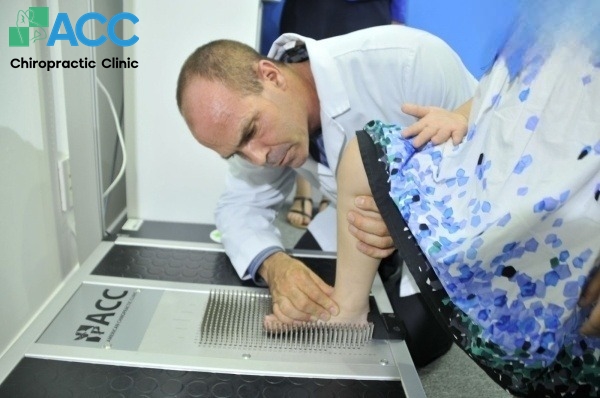
Using medical orthotics is considered a safe and effective treatment for foot pain caused by Flat Feet Syndrome. These orthotic devices are designed to support the arch, provide structural alignment, alleviate pain, and prevent further complications. To achieve the best results, it is highly recommended to use custom-molded orthotics based on your specific foot measurements rather than “one-size-fits-all” mass-produced insoles.
3.4. Corticosteroid Injections
Corticosteroids are a potent class of anti-inflammatory medications. When administered correctly at appropriate dosages, corticosteroid injections can effectively suppress inflammatory responses, thereby providing significant pain relief. A notable advantage of this method is that a single injection can often provide sustained relief while minimizing the systemic side effects associated with oral anti-inflammatories. However, corticosteroid injections carry rare but potential short-term complications, such as localized skin atrophy (thinning), skin hypopigmentation, post-injection irritation, or infection.
3.5. Chiropractic Care
Chiropractic care is highly regarded as a non-invasive and effective approach to treating musculoskeletal conditions by addressing the root cause of pain. Chiropractic is based on the principle of manual adjustments to correct vertebral misalignments, thereby optimizing the nervous system’s function. This process facilitates the body’s natural healing mechanisms, addressing foot pain naturally without the need for medication or surgery.
Furthermore, research from Europe and the United States has demonstrated that chiropractic care is a safe treatment modality suitable for a wide range of patients, including the elderly, children, and pregnant women. However, it is essential that this treatment be performed by a qualified chiropractor who meets the international standards and clinical guidelines set forth by the WHO (World Health Organization) and the WFC (World Federation of Chiropractic).

3.6. Advanced Physical Therapy
According to the American Academy of Orthopaedic Surgeons (AAOS), physical therapy can significantly enhance foot flexibility through targeted, therapeutic exercises. For cases involving underlying conditions such as Plantar Fasciitis or Flat Feet advanced physical therapy is frequently prescribed alongside medical treatment. The primary goals of these protocols are to alleviate pain and manage inflammation, helping patients regain range of motion and functional strength.

Currently, ACC Clinic is a leading specialist center in Chiropractic, fully licensed by the Ministry of Health of Vietnam. With an experienced team of international doctors holding professional certifications from renowned Chiropractic universities worldwide, ACC has successfully treated and restored foot function for thousands of patients.
Notably, ACC is a premier clinic that applies a comprehensive treatment protocol combining Chiropractic care with Physical Therapy and Rehabilitation. Each case receives a personalized exercise regimen designed to enhance foot endurance and flexibility. Furthermore, to effectively reduce inflammation and accelerate recovery, doctors may prescribe advanced therapies such as Shockwave Therapy and High-Intensity Laser Therapy (Class IV).
3.7. Surgery (Very Rare)
Surgery is considered a last-resort option when all other conservative treatment methods have failed to resolve foot pain. Physicians typically only recommend surgical intervention in cases involving severe structural bone deformities or profound congenital foot abnormalities.
4. How to Prevent Foot Pain When Running?
Running is a popular sport, but to prevent foot pain, you should keep the following tips in mind:
- Choose suitable terrain: Avoid uneven trails, rugged paths, or hard concrete surfaces whenever possible.
- Gradual progression: Increase your running distance and intensity gradually to allow your body to adapt, thereby minimizing the risk of injury.
- Prioritize recovery: Implement a proper rest and relaxation schedule to allow your muscles, joints, and bones to recover from impact.
- Cross-training: Incorporate low-impact activities like cycling, swimming, or aerobics to reduce repetitive stress on your shins and feet.
- Strength training: Perform specific exercises to improve the endurance and strength of your lower leg muscles.
- Proper footwear: Invest in specialized running shoes that fit correctly and feature adequate cushioning to absorb shock for your bones and joints.
- Optimize running form: Pay attention to your posture; avoid swinging your arms too high and maintain a balanced, efficient gait.
- Stretching: Incorporate warm-up and cool-down stretches to improve blood circulation and reduce muscle tension.
In conclusion, while foot pain is a common issue often linked to daily habits, ignoring it can lead to dangerous, long-term complications. If you experience persistent foot pain, you should seek a professional medical examination as soon as possible. Prioritize conservative, non-invasive treatment methods to achieve recovery while minimizing potential side effects.
>> Read more: