







Contents
Your daily sitting posture during activities and work can be the underlying cause of frequent neck and shoulder pain, increasing the risk of musculoskeletal conditions particularly cervical spondylosis (neck degeneration). However, not everyone recognizes this early on. It is often only when neck pain becomes severe and persistent, significantly impacting daily life, that patients seek a doctor for diagnosis and to identify the root cause.
To protect your health against the risk of degenerative joint and bone diseases, you should pay close attention to your daily sitting habits. Correcting poor posture and ensuring proper alignment are essential to reducing the compressive pressure on your spine.

1. Common Incorrect Sitting Postures That Cause Neck Pain
1.1. Upward-Tilting Neck Posture (Neck Extension)
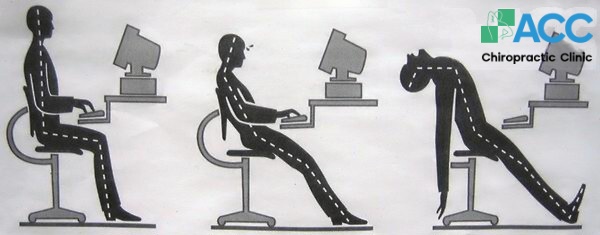
When your seating position is too low relative to your computer or TV screen, you tend to tilt your head backward and thrust your chin forward to see clearly. Maintaining this posture frequently over long periods significantly increases the risk of developing cervical spondylosis (neck degeneration).
1.2. Slumping or Resting the Head on the Desk
Many office workers have the habit of napping or slumping with their heads resting on their desks. However, this posture places severe strain on the spine, leading to aching in the neck, shoulders, and nape, as well as neck misalignment. Over time, this can result in permanent cervical spine degeneration.

1.3. Forward Head Posture (Tech Neck)
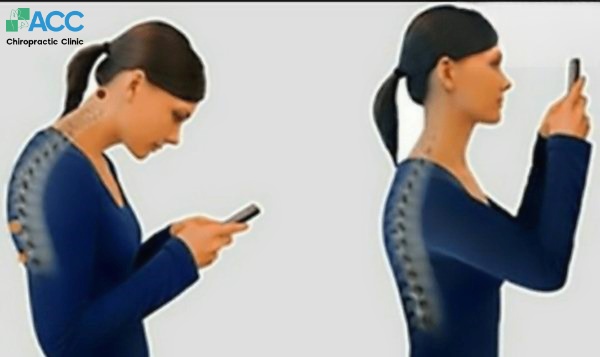
Bending your neck to look at a phone or computer for hours can strain the thoracic spine and cervical spine, leading to muscle stiffness in the neck area. Maintaining this poor posture over time accelerates the spinal degeneration process.
2. Proper Sitting Postures to Prevent Musculoskeletal Degeneration
2.1. Ergonomic Posture for Computer Work
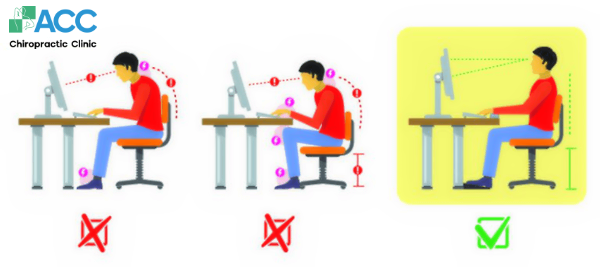
- Neck: Keep your neck aligned vertically with your spine.
- Shoulders: Keep them relaxed. Position your forearms on a horizontal plane, perpendicular to your elbows 90 degree, with your wrists aligned with your forearms.
- Back: Maintain a straight back. You should use an ergonomic chair with adjustable height and tilt to minimize pressure on the spine.
- Legs: Keep your feet flat on the floor. If the chair is too high, use a footrest or a small box to keep your legs in the most comfortable position. Avoid crossing your legs, as this posture places pressure on the area behind the knees and can lead to nerve compression or numbness.
- Adjustments: Set the distance between your seat and the screen, as well as the screen height, to eye level to avoid hunching your back or tilting your neck upward.
- Active Breaks: After 1 to 2 hours of work, stand up, walk around, and perform light stretches to allow your muscles to relax.
2.2. Proper Driving Posture
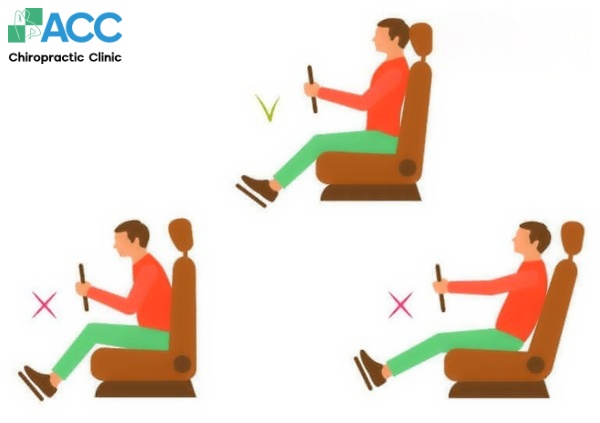
- Seat Adjustment: Position the seat so your spine remains in contact with the backrest. Your elbows should be slightly bent and relaxed when touching the steering wheel, not overextended.
- Lumbar Support: Use a lumbar roll or a soft cushion at the lower back. Choose a thickness that feels natural for your body to help maintain the spine’s neutral curve and keep the neck comfortable.
- Head and Neck: Keep them aligned with your torso. Adjust the headrest so your neck is in its most relaxed position.
- Rest Stops: Avoid driving long distances without a break. After every 150-200 km, stop and rest for about 2 hours to recover.

Neck and shoulder pain is a condition in which the muscles around the neck and shoulders become tense and stiff, leading to pain and restricted movement. This condition can significantly affect a person’s daily activities and overall quality of life. To help relieve symptoms and improve mobility, many people choose…
3. ACC Clinic’s Non-Surgical, Drug-Free Treatments for Neck Pain
Neck pain is a primary symptom signaling cervical spondylosis (neck degeneration). If not treated correctly, this condition can lead to lifelong disability.
Many patients rely on painkillers out of habit, but these cannot treat the root cause of the pain. Furthermore, long-term medication use can lead to severe side effects affecting the liver, kidneys, and stomach. Surgery is another option many consider; however, in reality, the success rate is not always high and it carries significant inherent risks.
According to the doctors at ACC Clinic, an accurate diagnosis of the cause is the first and most crucial step toward permanent pain relief. Before beginning treatment, patients undergo examinations to identify the specific damaged areas of the spine. Based on the diagnosis, a personalized treatment plan is prescribed.
Currently, ACC’s treatment protocol for cervical spondylosis features a specialized combination of Chiropractic care and Physical Therapy using state-of-the-art equipment. ACC remains a leader in researching and applying modern American technologies to optimize the healing process, including:
- DTS Spinal Decompression Therapy
- Class IV High-Intensity Laser Therapy
- ATM2 (Active Therapeutic Movement) Device
- Cervico 2000 and Vertetrac Decompression Devices
- Shockwave Therapy
- RockTape Kinesiology Tapeing

By combining these technologies with physiotherapy exercises tailored to each patient’s specific condition, positive results are often visible after a short period of treatment. The protocol at ACC does not merely provide temporary neck pain relief; it focuses on restoring the internal spinal structure to its natural, original alignment.
To prevent neck pain from recurring, patients should balance work and rest, correct their sitting postures, and increase physical activity to enhance overall musculoskeletal health.
>> Related posts: