







Contents
- 1. What is Hip Pain?
- 2. Common Signs of Hip Pain
- 3. Common Locations of Hip Pain
- 4. Why Does Hip Pain Occur? Common Causes
- 5. What to Do When Your Hip Hurts? Home Remedies for Hip Pain
- 6. When Should You See a Doctor?
- 7. Diagnostic Methods for Hip Pain
- 8. How is Hip Pain Treated?
- 10. Frequently Asked Questions (FAQ)
Hip pain is a common condition that affects people of all ages. It can manifest as a dull ache or a sharp, stabbing sensation, directly impacting mobility and daily activities. Recognizing the early signs, understanding the underlying causes, and selecting appropriate treatment and prevention strategies will empower patients to actively improve their condition and restore their quality of life.
1. What is Hip Pain?
Hip pain refers to any pain or discomfort occurring within the hip joint or the structures surrounding it. The hip joint, the ball-and-socket connection between the femur (thigh bone) and the pelvis is one of the body’s largest and most vital joints.
This joint is continuously engaged in movements such as walking, standing, sitting, weight-bearing, and maintaining balance. Consequently, when the hip joint is compromised, the pain can significantly impair mobility and daily activities.
>>> Related article: Identifying Dangerous Back Pain Locations & Effective Treatments
2. Common Signs of Hip Pain
The most recognizable signs of hip pain include deep joint pain, or discomfort in the hip, buttock, and thigh areas. The pain may radiate to the lower back or groin, and you may experience stiffness that makes it difficult to stand after prolonged sitting or to bend forward. Specifically:
- Pain: Deep aching within the joint, or localized pain in the hip, buttock, and thigh regions.
- Stiffness: Difficulty standing up after sitting for long periods, or trouble bending over, especially upon waking in the morning.
- Restricted Mobility: Reduced range of motion, difficulty walking, climbing stairs, or turning; discomfort when sleeping on the affected side.
- Radiating Pain: Pain may spread from the hip down to the buttocks, thighs, or legs due to nerve compression.
- Audible Symptoms: A “grinding” or “popping” sound when moving.
- Swelling and Inflammation: The hip area may appear swollen, warm, or red.
- Muscle Weakness/Fatigue: Hip muscles feel weak and tire easily during long walks or prolonged standing.
- Associated Symptoms: Fever or nausea (if related to appendicitis) or painful urination (if related to kidney stones).

3. Common Locations of Hip Pain
Common sites of discomfort around the hip include the anterior hip (front), lateral hip (sides), groin area, and posterior hip (lower back or buttocks).
3.1 Anterior Hip Pain (Front of the hip)
Pain in the front of the hip may be dull or sharp and typically intensifies when lifting the leg, walking uphill, or performing hip flexion movements.
3.2 Lateral Hip Pain (Sides of the hip)
Pain on the outer side of the hip is generally easier to localize. Discomfort tends to worsen when lying on the affected side, climbing stairs, or walking for long periods.
3.3 Groin Area
Groin pain can be difficult to identify due to its deep, dull nature. Symptoms may become more pronounced during hip flexion, leg rotation, or when changing positions.
3.4 Posterior Hip Pain (Back area, lower back, or buttocks)
Pain in this region can manifest as a persistent ache, throbbing sensation, or sharp, electric-shock-like pulses, sometimes radiating down the leg.
4. Why Does Hip Pain Occur? Common Causes
The causes of hip pain can vary based on the specific location of the pain and the extent of the injury. Generally, this condition stems from structural joint issues, trauma, inflammation, or pathologies such as infections or malignancies. Below is a detailed analysis of each cause:
4.1 Congenital Conditions (Structural Abnormalities)
Some individuals are born with conditions that affect the structure and shape of the hip joint, such as Femoroacetabular Impingement (FAI) or Developmental Dysplasia of the Hip (DDH). These are collectively referred to as structural abnormalities. Depending on the severity and type of the condition, hip pain may emerge during childhood or have a delayed onset later in life.
4.2 Injury
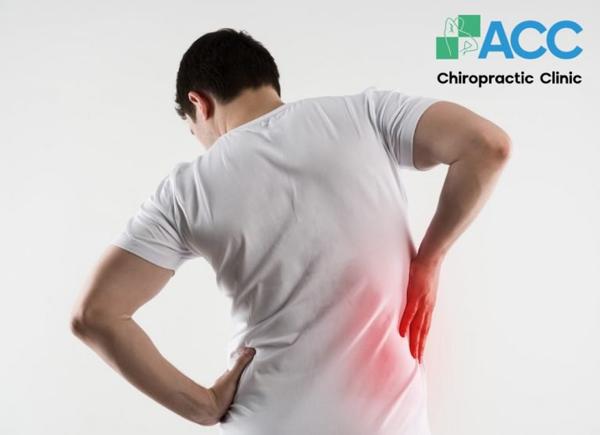
Any injury that damages the components of the hip joint can cause pain on one or both sides of the hip. Common causes include repetitive strain, sports-related injuries, or accidents such as falls and traffic collisions. Some common injuries that lead to hip pain include:
- Hip muscle strain: Particularly the hip flexor muscles.
- Iliotibial (IT) Band Syndrome.
- Labral tear of the hip.
- Fractures: At or around the hip joint.
- Hip dislocation.
4.3 Arthritis
Arthritis causes pain, swelling, and stiffness, with the hip joint often being affected. Some common types of arthritis that can lead to unilateral or bilateral hip pain and groin pain include osteoarthritis, rheumatoid arthritis, and ankylosing spondylitis. These symptoms typically worsen with physical activity or after long periods of rest.
4.4 Bursitis
Bursitis occurs when the small, fluid-filled sacs around the joint (known as bursae) become irritated and swollen. Bursae act as cushions between bones and surrounding tissues, helping to reduce friction during movement. When inflamed, they cause irritation that makes the hip joint painful, especially when moving or applying pressure to the joint area.
4.5 Nerve Compression
Nerve compression in the hip or lower back area can cause radiating pain or numbness. Common conditions include sacroiliitis (inflammation of the sacroiliac joint) or sciatica, where pain travels along the path of the nerve from the lower back down to the leg, significantly affecting mobility.

4.6 Infection
Infection of the hip joint can arise following an injury, spread from other infections within the body, or occur post-operatively. This condition typically causes pain in the front of the hip, although the location of the pain may vary depending on the severity and source of the infection.
4.7 Malignancies (Cancer)
Advanced-stage cancer can metastasize to the bone, or primary bone cancer can occur, leading to persistent dull or sharp hip pain. Symptoms are often more severe at night and may not improve with rest.
4.8 Avascular Necrosis
Avascular necrosis (also known as osteonecrosis) is a less common cause of hip pain, occurring when blood flow to the femoral head is reduced or blocked. This leads to bone damage and, eventually, the collapse of the femoral head, resulting in hip pain and limited mobility.
4.9 Other Causes
Beyond the causes mentioned above, some rare contributors to hip pain include fibromyalgia, osteomyelitis, or Legg-Calvé-Perthes disease (LCPD) in children. These conditions can cause hip pain accompanied by fatigue, swelling, or restricted range of motion, depending on the individual case.

5. What to Do When Your Hip Hurts? Home Remedies for Hip Pain
To help alleviate hip pain at home, you can apply methods such as rest, cold/heat therapy, and the use of over-the-counter (OTC) pain relievers.
- Rest: Limit strenuous activities or excessive movement to reduce pressure on the hip joint, allowing the pain to subside and preventing further injury.
- Cold/Heat Therapy: Apply a cold compress for 15–20 minutes to reduce swelling and inflammation. Afterward, you may use a warm compress to relax the muscles, improve blood circulation, and alleviate joint stiffness. Note: Never apply ice directly to the skin; wrap the ice pack in a towel or face cloth to prevent cold burns.
- Over-the-Counter (OTC) Medication: Medications such as Acetaminophen or NSAIDs (e.g., Ibuprofen) can help provide temporary relief from pain and inflammation. Please use them only as directed by a healthcare professional; do not exceed the recommended dosage or use them long-term, as this may impact your overall health.
6. When Should You See a Doctor?
You should consult a doctor if your hip pain occurs frequently, is severe, or interferes with your daily activities. Additionally, be aware of the following warning signs:
- Recurrent pain: Hip pain that recurs during specific activities such as jogging or climbing stairs.
- Instability or weakness: A sense of weakness or joint instability, or a restricted range of motion in the hip.
- Acute symptoms: Severe pain or sudden swelling in the hip area.
- Local inflammation: Tenderness in the soft tissues around the joint or redness of the skin over the hip.
- Audible symptoms: Clicking or popping sounds when walking or moving.
- Systemic symptoms: Pain accompanied by fever, chills, rashes, or other signs of infection.
7. Diagnostic Methods for Hip Pain
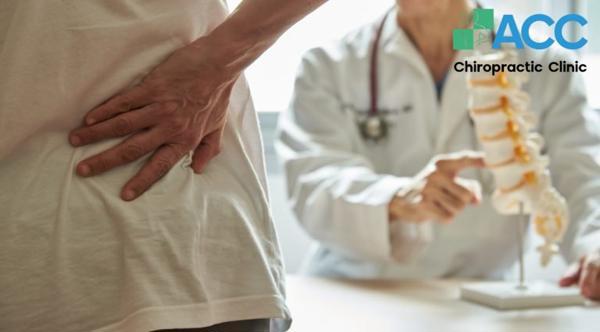
To identify the underlying cause and determine an appropriate treatment plan, a doctor may conduct a clinical assessment, which includes reviewing your medical history, performing diagnostic imaging, and ordering blood tests.
- Medical History Review: The doctor will inquire about the intensity, location, and nature of the pain, when it began, and factors that aggravate or alleviate it. They will also review your history of trauma, musculoskeletal conditions, and other relevant health issues.
- Diagnostic Imaging: Techniques such as X-rays, MRI, CT scans, or ultrasounds help evaluate the joint structure and identify lesions, inflammation, degenerative changes, fractures, or labral tears.
- Blood Tests: These assist in detecting markers of inflammation, infection, or autoimmune diseases, thereby helping to pinpoint the cause of the hip pain and guide the appropriate treatment path.
8. How is Hip Pain Treated?
Hip pain, whether unilateral or bilateral, can be treated using various methods, including medication, acupuncture, physical therapy, chiropractic care, or surgery in cases that do not respond to conservative measures.
8.1 Medication
Medications help manage pain, reduce muscle stiffness, and facilitate easier movement. Common prescriptions include stronger NSAIDs (such as Diclofenac or Naproxen) or Bisphosphonates, which are used to treat Paget’s disease of bone and osteoporosis by slowing down bone loss, thereby reducing the risk of hip fractures.


When back pain strikes, it causes more than just discomfort; it hinders your mobility especially when bending or leaning over and can even lead to sleepless nights. As a result, many people turn to back pain medications to quickly alleviate the aching and soreness, allowing them to return to their…
8.2 Acupuncture
Acupuncture is a traditional medical practice involving the insertion of thin needles into specific acupoints to stimulate the body’s natural pain relief mechanisms and improve blood circulation. In the treatment of hip pain, acupuncture can be combined with other conservative therapies (such as physical therapy) to help alleviate dull aches, reduce muscle tension, and effectively support joint mobility.
8.3 Physical Therapy
Physical therapy encompasses exercises designed to stretch, strengthen, and improve the range of motion of the hip joint. In addition to active exercises, physical therapy may incorporate other modalities, such as therapeutic ultrasound, electrical stimulation for pain relief, and thermotherapy (heat therapy). Under the guidance of specialists, patients can perform these techniques safely to reduce pain, improve joint function, and prevent recurrence.
8.4 Chiropractic Care
Chiropractic care operates on the principle of using precisely directed manual force to adjust misaligned structures back into their proper anatomical position. This action releases pressure on the nerve roots that cause pain. This method helps reduce pain, correct posture, and restore normal mobility without the need for surgery.
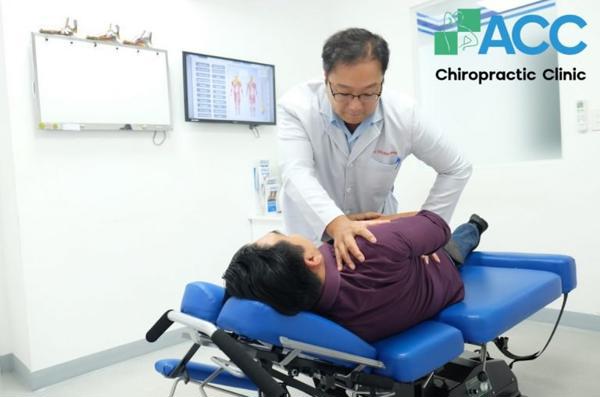
Currently, the number of practitioners in Vietnam capable of fully implementing and maximizing the effectiveness of Chiropractic care is limited. This is primarily because Chiropractic is a complex medical procedure that must be performed by highly qualified professionals with extensive practical experience.
Unfortunately, many individuals now claim to provide this therapy despite having only completed short-term training courses lasting a few months, rather than the 6–8 years required by standard formal education. This means their knowledge and techniques are insufficient to provide the best treatment outcomes for patients. Furthermore, this lack of expertise can sometimes lead to unexpected, adverse consequences.
Therefore, seeking the “right” treatment performed by formally trained doctors with practical experience and a scientific treatment protocol is the decisive factor in safely reducing pain, effectively restoring mobility, and preventing long-term complications.
ACC Clinic takes pride in our team of Chiropractic doctors, 100% of whom hail from countries with advanced Chiropractic standards, such as the United States, New Zealand, and South Korea. We have successfully treated tens of thousands of Vietnamese patients suffering from musculoskeletal and spinal issues without the need for surgery or medication. Above all, ACC is the first Chiropractic-specialized clinic in Vietnam to be licensed by the Ministry of Health.

Beyond Chiropractic adjustments, to help patients return to their daily lives as quickly as possible, ACC doctors design personalized physical therapy and rehabilitation programs. With the support of modern, state-of-the-art equipment, these programs facilitate the rapid recovery of damaged structures in the hip area. Patients can quickly regain natural motor function and fully improve their quality of life.

Contact ACC today to have our specialists accurately diagnose the root cause and build a personalized treatment protocol tailored to your physical condition for optimal results!
8.5 Surgery
Surgery is rarely the first choice and is only considered when conservative measures fail to provide relief or when the hip joint damage is severe. Surgical options may include partial or total hip replacement, cartilage repair, or other interventions aimed at restoring joint function, alleviating pain, and improving long-term mobility.
9. How to Prevent Hip Pain?
To prevent hip pain, you should use protective gear during sports, allow your body to rest after physical exertion, and maintain a scientific diet and lifestyle. Reducing stress and incorporating regular exercise will also enhance the flexibility of the hip joint. Specifically:
- Use protective gear: Ensure you are fully equipped with protective gear when playing sports or participating in activities with a high risk of injury.
- Listen to your body: Do not try to “push through” the pain. If you experience hip pain during or after physical activity, stop immediately and assess your condition.
- Allow for recovery: Dedicate sufficient time to rest and recover after high-intensity activities to allow your muscles and hip joints to heal.
- Maintain a healthy lifestyle: Adopt a scientific diet and daily routine, ensuring you receive the essential nutrients needed for bone and joint health.
- Manage stress: Reduce chronic stress, maintain adequate sleep, and practice mental relaxation.
- Regular exercise: Incorporate regular training, including stretching, strengthening, and balance exercises for the muscles around the hip to prevent pain and future injuries.

10. Frequently Asked Questions (FAQ)
Below are some common questions regarding hip pain:
10.1 Is hip pain caused by flat feet?
Yes, it is possible. Flat feet (pes planus) occur when the foot lacks an arch or has a very low arch, causing the entire foot to bear the body’s weight and struggle to maintain balance. Consequently, in individuals with flat feet, areas such as the knees, ankles, hips, and lower back may experience significant pain and fatigue, especially after prolonged standing or continuous movement.
10.2 How does hip pain affect the knee?
Hip pain can impact the knee because these two joints function as an integrated kinetic chain: When the hip is weak or moves improperly, the body shifts excess pressure and stress onto the knee joint, leading to pain or discomfort in the knee area during walking or climbing stairs.
10.3 Is surgery always necessary for hip pain?
Not necessarily. For mild pain, patients can often improve through rest, hot/cold therapy, and pain relievers. However, if the pain is severe, persistent, or accompanied by fever, difficulty walking, joint deformity, or loss of bodily function, you should see a doctor immediately, as these may be signs of a serious condition requiring medical intervention.
>> Related articles: