







Contents
Knee effusion significantly hinders daily activities and quality of life. To ensure a quick recovery, alongside timely medical diagnosis and treatment, maintaining a proper nutritional regimen is essential. Choosing the right foods plays a critical role in protecting your joints and preventing long-term complications.So, what should you eat, and what should you avoid if you have knee effusion? Let’s explore this with the experts at ACC in the article below!
1. What to Avoid with Knee Effusion: 7 Foods to Steer Clear Of
When suffering from knee effusion, patients should avoid the following foods to prevent swelling and pain from becoming more severe:
1.1. Spicy and “Heating” Foods
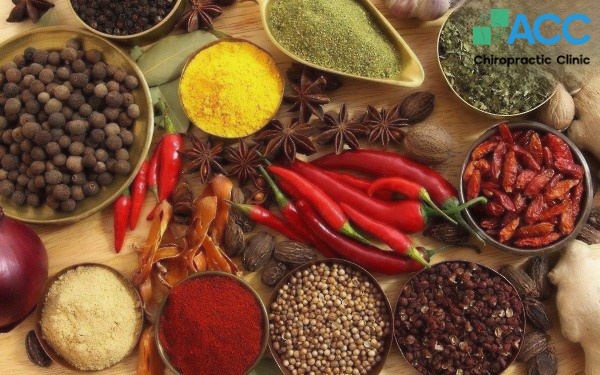
Spicy and “heating” foods such as chili peppers, black pepper, mustard, bamboo shoots, and beef can irritate inflamed joint tissues and simultaneously increase fluid secretion in the knee joint. These conditions can cause the knee to become stiff, painful, and severely swollen, significantly delaying the natural recovery process.
1.2. Greasy and High-Fat Foods
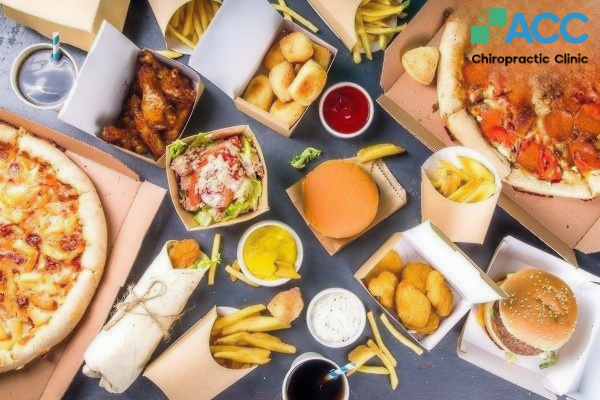
Deep-fried and stir-fried dishes containing high levels of fat can exacerbate inflammation, triggering severe joint pain and hindering the recovery of your knee. If you are wondering what to avoid with knee effusion, greasy foods are high on the list.
1.3. High-Sodium (Salty) Foods
The sodium content in salt can worsen inflammatory responses. Consuming high-sodium foods can increase inflammation, swelling, and bruising in the knee, and may even lead to temporary “stiffness” or loss of mobility due to increased fluid accumulation. Therefore, if you are suffering from knee effusion, you should avoid high-sodium items such as fermented foods (pickled vegetables, pickled eggplant, pickled scallions/cucumber), instant noodles, seaweed, and dried grilled squid.
1.4. Animal Organs
The high iron content in animal organs can interfere with the body’s ability to absorb calcium. This may slow down the healing process of tissues damaged by knee effusion. To facilitate a faster recovery, you should avoid dishes made from animal organs, such as intestines, lungs, heart, liver, and kidneys.
1.5. Processed Foods
Processed foods are typically loaded with additives and excessive salt, both of which negatively impact joint health and delay the recovery of the knee joint. Furthermore, these foods often contain preservatives that can be harmful to your joints and overall health if consumed in large quantities.
1.6. Alcohol and Beer
To accelerate recovery from knee effusion, you should avoid alcohol and beer. Alcoholic beverages impair the joint cartilage’s ability to absorb essential nutrients, which slows down the healing of damaged tissues. Furthermore, alcohol intake can increase fluid accumulation in the knee, causing the condition to worsen significantly.
1.7. Dishes Made from Glutinous Rice
When suffering from knee effusion, you should avoid dishes made from glutinous rice, such as sticky rice (xôi), steamed glutinous rice, Banh Chung (traditional sticky rice cake), and any pastries made from glutinous rice flour. These foods can easily trigger inflammatory responses in the body, causing the knee effusion to progress and become more severe.
2. Recommended Foods for Knee Effusion Patients
After learning what to avoid, you may be wondering what you should eat to support recovery. Below are 7 types of food you should incorporate into your diet while treating knee effusion:
2.1. Fatty Fish Rich in Omega-3
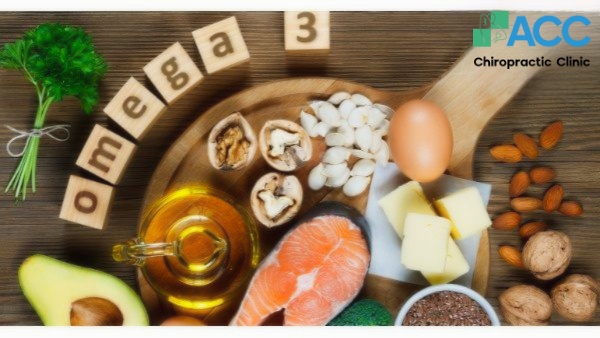
According to nutrition experts, the Omega-3 fatty acids found in fatty fish have anti-inflammatory properties that help reduce joint swelling and soothe pain. In addition, supplementing your diet with Omega-3 can lower the risk of developing rheumatoid arthritis, as well as various cardiovascular diseases and diabetes.
2.2. Berries
When suffering from knee effusion, you should incorporate berries such as strawberries, blackberries, and blueberries into your daily diet. These fruits are rich in antioxidants, which help prevent the condition (including knee effusion) from worsening while simultaneously boosting the body’s immune system.
2.3. Vitamin-Rich Foods
Foods high in vitamins A, C, and K such as carrots, spinach, papaya, tomatoes, cucumbers, sweet potatoes, and oranges support immune system health and improve overall joint quality. Meanwhile, foods rich in vitamin D, such as eggs, fish, shrimp, oysters, and dairy products, contribute to stronger bone density while effectively reducing inflammation and edema (swelling). Therefore, to better manage and accelerate the recovery of knee effusion, it is highly recommended to prioritize these vitamin-rich foods in your diet.
2.4. Fiber-Rich Foods
Fiber-rich foods such as whole grains, oats, and chia seeds are highly effective in reducing joint pain, promoting the regeneration process, and improving overall joint function. Therefore, you should prioritize incorporating these high-fiber foods into your daily diet throughout your treatment for knee effusion.
2.5. Foods Rich in Sulforaphane and Glucosinolate
Foods rich in sulforaphane and glucosinolate, such as cruciferous vegetables (cabbage, broccoli, etc.), help slow down cartilage damage and inhibit inflammatory responses. This significantly supports a faster and more effective recovery process for the affected knee joint.
2.6. Calcium-Rich Foods
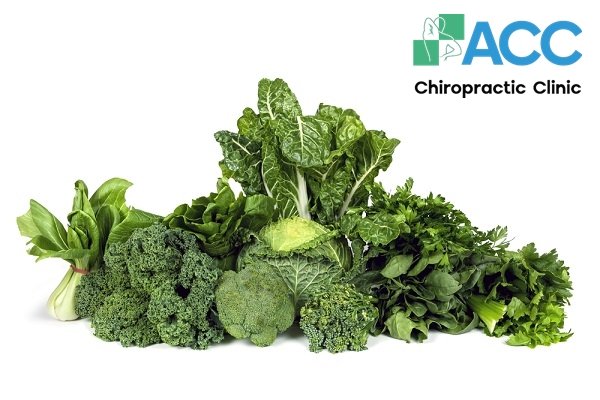
You should supplement your diet with calcium-rich foods such as okra, white beans, almonds, tofu, and dark leafy greens to support the health and strength of your bones and joints. This helps protect against conditions that may lead to knee effusion, such as gout, osteoporosis, and osteoarthritis.
2.7. Olive Oil
Olive oil contains a compound called oleocanthal, which possesses potent anti-inflammatory properties that can help alleviate joint pain caused by knee effusion. Therefore, you are encouraged to incorporate olive oil into your daily meal preparation to assist in the treatment of this condition.
3. How to Maintain an Appropriate Diet for Knee Effusion
Beyond knowing which foods to eat and avoid, it is essential for patients to adhere to a structured diet to maximize the effectiveness of their treatment. Specifically:
- Ensure a balanced intake of the four essential nutrient groups: Proteins, healthy fats, fiber, and vitamins/minerals.
- Prioritize boiled and steamed dishes: Limit fried or stir-fried foods due to their high fat and oil content.
- Increase intake of beneficial foods: While strictly avoiding those that trigger inflammation.
- Supplement with joint-protective nutrients: Consider supplements like Chondroitin and Glucosamine to promote the recovery of knee cartilage.
4. Advice for Knee Effusion Patients
To ensure a smooth recovery, patients should combine their nutritional regimen with a disciplined lifestyle:
- Incorporate gentle movement: This maintains joint flexibility without overstressing the knee.
- Maintain consistent daily exercise: Regular, low-impact activity strengthens bones and joints.
- Use knee support gear: Use braces or protective gear during activities that require significant leg force, such as running or jumping.
- Follow your prescription strictly: Adhere to the dosage and timing of any prescribed medications as directed by your doctor.
- Seek professional medical attention: If you notice any unusual symptoms or persistent knee pain, visit a reputable orthopedic clinic for an accurate diagnosis and treatment plan.
Currently, ACC Clinic (a member of the FV Group) is one of the leading musculoskeletal treatment centers in Vietnam, adhering to the standard of NON-DRUG – NON-SURGICAL treatment.
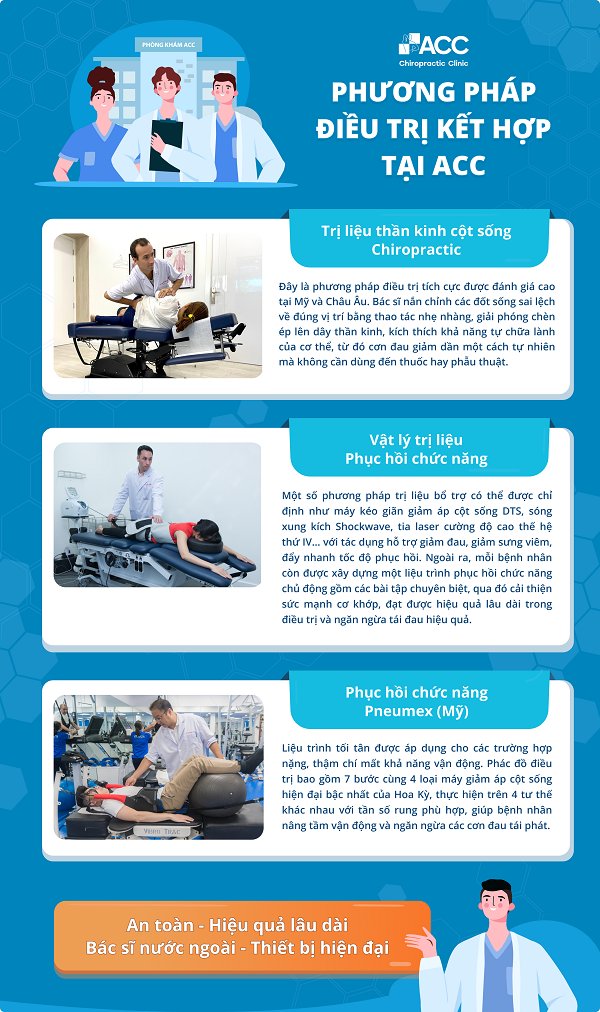
With a team consisting of 100% international specialists, ACC has successfully treated hundreds of knee effusion cases nationwide. Our optimal treatment approach combines Chiropractic care with Physical Therapy (including specialized knee-strengthening exercises, Class IV Laser therapy, and Shockwave therapy to significantly reduce swelling and inflammation). Furthermore, our doctors provide personalized guidance on nutrition and home-care routines to ensure your fastest possible recovery.
> Contact ACC today for effective and safe examination and treatment of knee effusion!
>> Read more: