






Contents
- 1. What are the symptoms of back pain, knee fatigue, and hand numbness?
- 2. What causes back pain, knee fatigue, and hand numbness?
- 3. How to Treat Back Pain, Knee Fatigue, and Hand Numbness?
- 4. When should you see a doctor for back pain, knee fatigue, and hand numbness?
- 5. How to prevent back pain, knee fatigue, and hand numbness?
- 6. Frequently Asked Questions (FAQs)
Back pain, knee fatigue, and hand numbness are common symptoms that often occur simultaneously, caused by mechanical factors, external impacts, or underlying medical conditions. Patients should monitor the severity and frequency of these symptoms to seek timely medical examination and care.
1. What are the symptoms of back pain, knee fatigue, and hand numbness?
Back pain and knee fatigue are symptoms characterized by aching in the back and knee areas, accompanied by numbness in both hands. This makes it difficult for patients to perform actions such as gripping, grasping, carrying, or lifting objects. While this condition can affect anyone, it is most prevalent in the elderly due to bone and joint aging (degeneration).
To identify this condition, patients can look for these 5 common symptoms:
1.1. Upper back pain
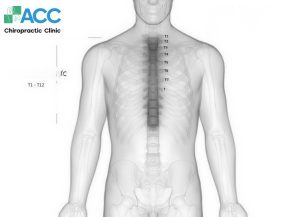
A sharp, stabbing, or tightening sensation appears in the upper back. The pain may be a dull ache that radiates along the nerves to nearby areas such as the chest, thoracic spine, neck, shoulders, arms, stomach, or lower body.
Additionally, upper back pain affects basic movements like raising or lowering the arms and rotating the torso. The intensity of the pain increases over time, often accompanied by a burning sensation or tingling.
1.2. Middle back pain
Commonly, patients experience a dull or sharp pain in the middle back, on either the left or right side. Occasionally, the pain radiates along the spine or is localized around the ribcage for several days, sometimes lasting weeks if not addressed early.
Middle back pain can occur at any age. However, it is most common in professional athletes who frequently suffer sports injuries, people with arthritis, muscle strain, or those who maintain poor posture.

1.3. Lower back pain (Lumbar pain)
Lower back pain symptoms describe an aching sensation in the lower third of the back, located between the two iliac crests, directly on the lumbar spine, or on either side of it. Accordingly, any movement such as sneezing, coughing, or changing posture can trigger uncomfortable pain. The pain intensity increases with excessive physical activity or during weather changes. Additionally, the pain may last for a short duration or become intense for several days or weeks.
In addition to the pain, the lumbar region is prone to sharp throbbing and inflammation that may cause a high fever. Sometimes, the numbing pain radiates down to the hips and lower limbs, leading to knee fatigue, difficulty walking, and even urinary incontinence in some patients.
1.4. Knee fatigue
When experiencing sharp pain that originates from the lumbar spine and radiates along the buttocks, down the back of the thighs, and into both legs, patients are prone to aching, inflammation, and a burning sensation localized in or below the knee area.
In many cases, a “popping” or “crepitus” sound occurs in the knees when the patient moves. If not treated promptly, this condition can severely impair joint mobility, potentially leading to permanent disability or paralysis.

1.5. Hand numbness
People suffering from back pain and knee fatigue are prone to numbness in the fingertips, often described as a “pins and needles” or “creeping ant” sensation. If left unaddressed, the numbness becomes more severe and persistent, radiating along the entire arm. This can lead to muscle weakness, paralysis, and a significant loss of grip strength when grasping objects or performing daily activities.
2. What causes back pain, knee fatigue, and hand numbness?
These combined symptoms can stem from musculoskeletal disorders (herniated discs, spinal degeneration, rheumatoid arthritis, infections, etc.), kidney-related issues, anemia, or metabolic disorders. Specifically:
2.1. Musculoskeletal Diseases
Conditions such as herniated discs, spinal degeneration, rheumatoid arthritis, infections, osteoarthritis, and osteoporosis can all trigger symptoms of back pain, knee fatigue, and hand numbness:
- Herniated Discs A herniated disc occurs when the nucleus pulposus (the jelly-like center) leaks out through a tear in the annulus fibrosus (the tough outer ring). This puts pressure on the spinal canal or nerve roots, causing intense pain. In cases where back pain, knee fatigue, and hand numbness occur simultaneously, it is often linked to multilevel disc herniation. This means at least two different disc levels are herniated at the same time typically in the cervical (neck) and lumbar (lower back) regions.
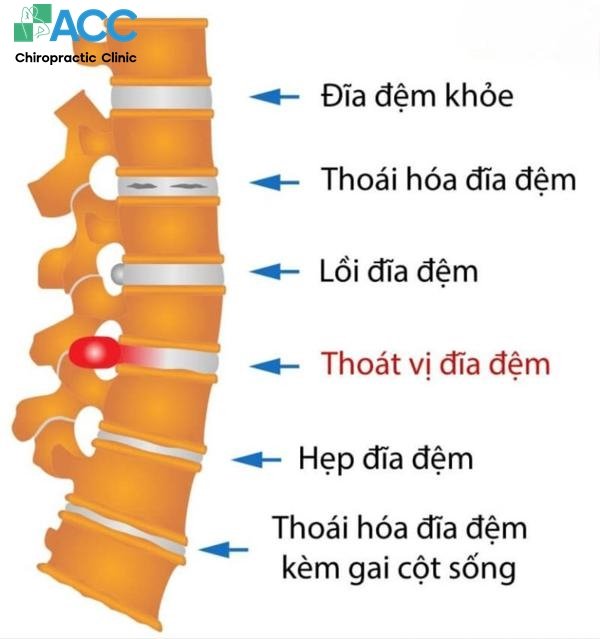
- Spinal Degeneration In many instances, back pain, knee fatigue, and finger numbness/weakness stem from chronic spinal degeneration, primarily occurring in the cervical (neck) or lumbar (lower back) vertebrae. Over time, the spinal discs lose their elasticity, leading to the hardening (sclerosis) of the capsular ligaments and causing the spine to lose its natural physiological curvature. Symptoms of back pain, knee fatigue, and hand numbness caused by spinal degeneration often manifest as a persistent, dull ache over many days. The pain intensity increases with physical activity and subsides with rest. Patients experiencing back pain should consult a doctor as soon as possible.
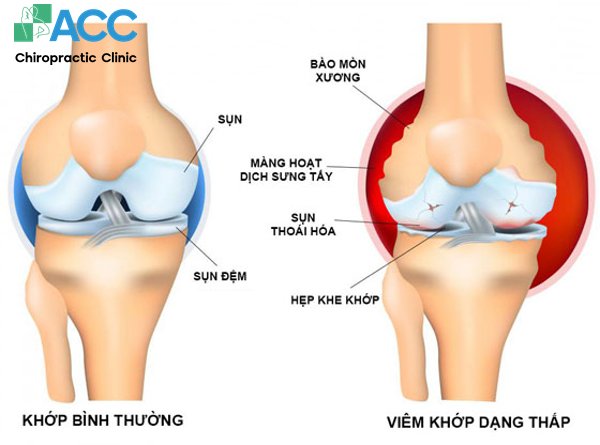
- Rheumatoid Arthritis Redness and swelling that lead to joint pain and stiffness including the hands, back, knees, or feet are warning signs of rheumatoid arthritis. Although not life-threatening, rheumatoid arthritis causes prolonged, uncomfortable aching and limits mobility in both the arms and legs. If left untreated, the disease can lead to serious complications in the stomach and intestines, cause lung and cardiovascular diseases, nerve damage, osteoporosis, or eye complications.
- Infections Many experts believe that for every four cases of back pain accompanied by knee fatigue and hand numbness, more than one is caused by infection rather than mechanical factors like poor posture or improper lifting. Specifically, the “culprits” identified in over 50% of patients are bacteria known as Propionibacterium and Coryne propinquum. Under normal conditions, Propionibacterium and Coryne propinquum are anaerobic, meaning they cannot thrive in environments where oxygen is present. However, when a disc slips out of place, blood circulation to the joints decreases, leading to an insufficient oxygen supply. This creates a prime opportunity for the bacteria to invade and attack, causing bone alterations and resulting in bodily aches and pains.
- Sports Injuries Sports injuries result from excessive exercise intensity or improper technique, leading to the breakdown of the skeletal system, cartilage, and tissues. Over time, these injuries develop into pain in the neck, shoulders, knees, lower back, or arms, hindering the patient’s normal range of motion.
- Osteoarthritis (Degenerative Joint Disease) Back pain, knee fatigue, and hand numbness are symptoms commonly found in osteoarthritis, including osteoarthritis of the knee, wrist, or hand, as well as cervical spondylosis and sacroiliitis (degeneration of the sacroiliac joint). This condition typically affects middle-aged and elderly individuals. Beyond back and knee pain or hand numbness, patients are also prone to joint stiffness, swelling, muscle atrophy, or decreased mobility.
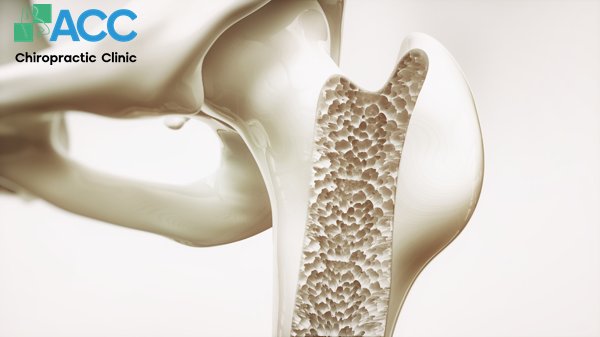
- Osteoporosis Osteoporosis is a metabolic bone condition characterized by a decrease in bone density and quality, causing bones to become weak, brittle, and prone to fractures. Currently, the elderly (especially women) are at the highest risk for osteoporosis. Common symptoms include back pain, knee fatigue, limb numbness, sciatica or intercostal neuralgia, loss of height, and even a stooped posture (hunchback).
2.2. Kidney-Related Diseases
In many cases, certain kidney conditions, such as kidney deficiency, can trigger back pain, limb numbness, and knee fatigue. This occurs because impaired kidney filtration causes toxins to accumulate, leading to electrolyte imbalances within the body.

It is very common for someone to experience knee pain, at least once in their lifetime. You may wonder what causes that condition. Among the various reasons, there are 3 most common causes of knee pain that may have led to the pain. Arthritis There are several types of Arthritis,…
2.3. Anemia and Metabolic Disorders
For individuals with chronic anemia, back pain, knee fatigue, and limb numbness are often unavoidable consequences. This is due to a reduction in red blood cell count and hemoglobin levels in peripheral blood, resulting in a shortage of oxygen and metabolic energy supplied to the joints. Consequently, normal bone function is hindered, leading to chronic fatigue and aching.
Additionally, metabolic disorders such as diabetes, hyperlipidemia (high blood fats), or electrolyte disturbances are also closely linked to back pain, knee soreness, and hand numbness.
2.4. Risk Factors
Beyond the causes mentioned above, these symptoms can also stem from several other risk factors:
- Physical Exhaustion (Asthenia): Prolonged fatigue can cause widespread bodily aches, muscle soreness, back/knee pain, limb numbness, and a decline in overall health.
- Poor Diet and Malnutrition: A diet lacking essential vitamins and minerals weakens the musculoskeletal system and hinders blood circulation, easily leading to pain and numbness.
- Cold Weather: Low temperatures affect blood circulation, making muscles and joints less flexible and prone to aching.
- Overexertion: Heavy lifting or high-intensity work puts excessive pressure on the spine and knees, leading to muscle strain, nerve compression, and persistent pain.
- Sedentary Lifestyle/Prolonged Posture: Sitting for too long, lack of physical activity, or poor posture can cause nerve compression, resulting in back pain and numbness.
- Overweight and Obesity: Excess body weight increases the load on the spine and knee joints, leading to chronic pain and stiffness.
- Depression: Neurological disorders caused by depression can manifest as musculoskeletal pain, commonly affecting the back, knees, and extremities.
- Postpartum Women: Weight gain, postural changes, hormonal imbalances, and calcium deficiency after childbirth cause many women to experience prolonged back pain, knee fatigue, and numbness.

3. How to Treat Back Pain, Knee Fatigue, and Hand Numbness?
To treat back pain, limb numbness, and knee fatigue, you should combine adequate rest with hot/cold compresses, massage, and a nutrient-rich diet. If symptoms persist, it is essential to consult a doctor to determine the underlying cause and receive specialized treatments such as physical therapy or chiropractic care.
3.1. Home Care
Home treatment options for back pain, knee fatigue, and limb numbness include:
- Cold/Hot Compresses: Apply a cold compress using a gel pack or ice wrapped in a towel for about 15 minutes on the painful area. Cold therapy helps constrict blood vessels, reduce pain, and effectively manage inflammation and swelling. In addition to cold therapy, you can alternate with hot compresses if the pain is accompanied by joint stiffness, muscle spasms, or limited mobility. Heat therapy relaxes muscles and ligaments while promoting blood circulation, providing effective pain relief. Simply apply a warm pack (around 60–70°C) directly to the affected area for approximately 20 minutes to soothe the discomfort.
- Massage: Massage is an effective solution for most cases of back pain, knee fatigue, and hand numbness. Gentle pressure from the hands and fingers helps relax tendons and muscles, reduces nerve compression, and stimulates blood flow, leading to rapid pain relief. How to perform: First, apply a small amount of medicated oil to your palms and rub them together to warm the oil. Then, use your hands and fingers to gently massage the painful back area in a circular motion for 30 minutes. For the knees or arms, you can perform the massage in a similar manner. However, since the lower back is a hard-to-reach area, you should ask a family member for help or visit a professional therapeutic massage clinic for better relaxation.

3.2. Medical Treatment
Medication is a common medical intervention when back pain, knee fatigue, and hand numbness flare up and interfere with daily life. Based on the symptoms, a doctor will prescribe appropriate medications. These typically include muscle relaxants, non-steroidal anti-inflammatory drugs (NSAIDs), opioid analgesics (such as codeine), and corticosteroid injections.
While these medications help “lock” or temporarily suppress the pain, they must not be abused and should only be taken under a doctor’s guidance. Otherwise, they can cause a range of dangerous side effects, such as stomach pain, ulcers, dizziness, rashes, or even trigger liver and kidney issues.
3.3. Chiropractic Care
Chiropractic care offers outstanding benefits in treating back pain, knee fatigue, and limb numbness by directly addressing the root cause: spinal misalignments and nerve root compression. Through specialized adjustment techniques, this method helps restore the spine to its natural physiological position, releases pressure on the nerves, restores body balance, and promotes sustainable pain relief without the need for medication.

3.4. Physical Therapy for Back Pain, Knee Fatigue, and Hand Numbness
Physical therapy is an effective supportive method for improving back pain, knee fatigue, and limb numbness through therapeutic exercises, stretching, strengthening, and rehabilitation. Therapies such as shockwave therapy, therapeutic ultrasound, electrical stimulation (e-stim), or heat therapy help reduce pain, improve blood circulation, and increase muscle and joint flexibility. This enables patients to regain mobility and prevents long-term recurrence.
In addition to passive physical therapy (assisted by machines), patients can enhance their recovery at home through low-impact activities. These include wrist and elbow rotations, knee circles, forward folds, stretching exercises, leg curls, straight leg raises, or pelvic presses to build muscle strength.
To ensure correct form and prevent potential injuries, active physical therapy should be monitored and guided by a qualified physical therapist or technician.
From the treatment methods mentioned above, it is clear that long-term effectiveness can only be achieved when patients are treated correctly meaning identifying the right disease, choosing the right facility, and applying a scientific protocol. Treating the wrong cause, lacking a comprehensive assessment, or applying inappropriate methods not only prolongs the pain but also increases the risk of recurrence and complications.
Therefore, to ensure safety and optimal results, you should seek out reputable specialized clinics because of:
- Experienced Medical Team: Specialized musculoskeletal facilities house a team of experienced specialists with up-to-date knowledge and the expertise to implement safe and effective treatment methods.
- Comprehensive Examination for Accurate Diagnosis: Patients receive a thorough examination and motor function assessment to pinpoint the root cause of the pain, rather than just treating the symptoms.
- Scientific and Personalized Protocols: Treatment plans are based on medical evidence, utilizing a multimodal and individualized approach tailored to each patient’s condition, along with guidance for rehabilitation and long-term prevention.
- Modern Rehabilitation Equipment: Standardized clinics are equipped with advanced recovery systems that support the treatment process and shorten recovery time. This serves as the foundation for sustainable pain relief, improved mobility, and peace of mind as patients return to their daily lives.

4. When should you see a doctor for back pain, knee fatigue, and hand numbness?
You should seek medical attention promptly if your back pain, knee fatigue, and limb numbness persist or worsen, especially when accompanied by abnormal signs that affect daily activities and mobility. Specifically:
- Persistent, escalating, or unbearable intense pain.
- Widespread numbness, tingling sensations, muscle weakness, difficulty gripping objects, or an unsteady gait (unstable walking).
- Significant limited mobility, joint stiffness, difficulty standing up or sitting down, or loss of balance.
- Pain accompanied by fever, chills, unexplained weight loss, or chronic fatigue.
- Pain occurring after an injury, fall, or accident.
- Sensory disturbances or loss of bladder/bowel control.
- Symptoms severely impact work, sleep, and overall quality of life.
5. How to prevent back pain, knee fatigue, and hand numbness?
To prevent these symptoms, you should maintain a regular exercise routine, practice proper posture while sitting, standing, and sleeping, and follow a balanced, nutritious diet.
- Exercise regularly: Activities like walking, swimming, yoga, and stretching help strengthen muscles, increase flexibility, and improve blood circulation.
- Maintain proper posture: Use chairs with back support while sitting, keep a straight posture while standing or walking, and avoid staying in one position for too long make sure to move frequently.
- Lift heavy objects safely: Always bend your knees, keep your back straight, and distribute weight evenly to reduce pressure on the spine and knee joints.
- Maintain a healthy weight: Keeping your weight stable reduces the load on the spine and knees, limiting the risk of chronic pain.
- Follow a balanced diet: Supplement your meals with foods rich in Calcium, Vitamin D, Omega-3, and essential minerals to support bone and joint health.
- Manage stress and get enough sleep: Rest helps the nervous system and muscles recover, reducing the risk of pain, fatigue, and numbness.
- Regular health check-ups: Periodic screenings help detect musculoskeletal issues early for timely intervention, preventing the condition from worsening.

In conclusion, the article above has explained the causes of back pain, knee fatigue, and hand numbness, while sharing various effective treatment methods. Generally, this is a common condition in labor, daily activities, and modern life. To achieve a permanent cure, patients should seek early medical examination to limit dangerous complications and prevent the risk of recurrence.
6. Frequently Asked Questions (FAQs)
Below are common questions regarding back pain, limb numbness, and knee fatigue:
6.1. What disease causes back pain and knee fatigue?
This condition can be related to various musculoskeletal diseases such as herniated discs, spinal degeneration, rheumatoid arthritis, or osteoarthritis. These conditions cause nerve root compression, inflammation, and damage to the joint and spinal structures, leading to back pain, knee soreness, and limb numbness. Additionally, kidney-related issues and metabolic disorders can also cause these symptoms if not properly addressed.
6.2. Should traditional herbal poultices be used for back pain, knee fatigue, and limb numbness?
You may consider traditional remedies such as applying wild betel leaf (lá lốt) soaked in alcohol, using mugwort (ngải cứu) compresses, or massaging limbs with ginger wine. These can support inflammation reduction and improve blood circulation, thereby relieving knee fatigue, back pain, and numbness. However, these methods are strictly supportive. Patients should still consult a doctor to determine the exact cause and receive appropriate treatment, especially if symptoms persist or worsen.
>> Related posts: