






Contents
- 1. What is a Bulging Disc?
- 2. What is the difference between a bulging disc and a herniated disc?
- 3. What are the signs of a bulging disc?
- 4. Why do discs bulge? Causes of disc bulging
- 5. Is a bulging disc dangerous?
- 6. How does a bulging disc lead to a herniated disc?
- 7. Can a bulging disc be cured? Treatment methods
- 8. How to prevent a bulging disc?
- 9. Frequently Asked Questions (FAQs)
In its early stages, the symptoms of a bulging disc are easily mistaken for common aches and pains. However, without timely treatment, the condition can progress into a herniated disc with severe complications, potentially impacting long-term mobility.
1. What is a Bulging Disc?
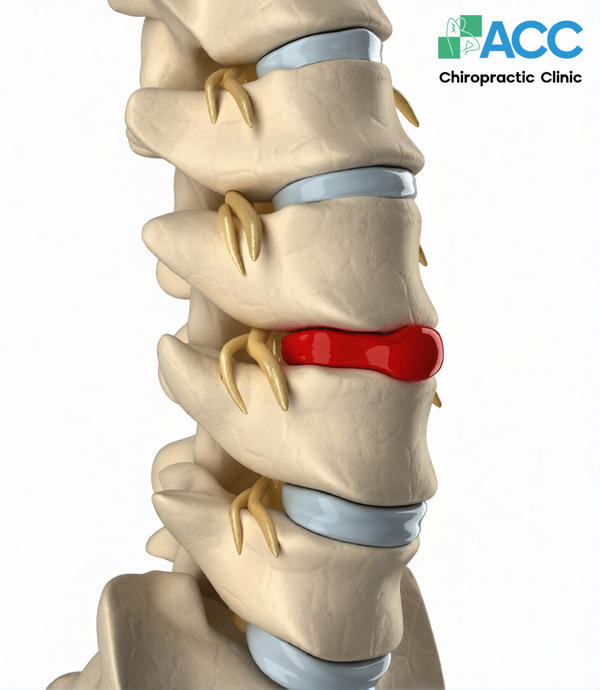
A bulging disc is a condition in which the spinal disc swells and becomes misshapen. These discs are round, flat structures located between the vertebrae. They consist of a tough outer layer called the annulus fibrosus and a gel-like center known as the nucleus pulposus. The discs function as “shock absorbers,” preventing friction between the vertebrae during movement and protecting the spine.
Although the gel-like center remains contained within the outer layer, the bulging of the disc can still exert pressure on surrounding nerve roots, leading to sensations of pain and discomfort for the patient.
2. What is the difference between a bulging disc and a herniated disc?
The primary difference lies in the annulus fibrosus (the outer shell): it remains intact in a bulging disc, whereas it is ruptured in a herniated disc. To help you understand better, here are the detailed differences:
- Bulging Disc: The nucleus pulposus (gel-like center) remains contained within the outer shell. Therefore, this condition is considered a mild stage of disc disease. If not treated properly, a bulge can progress into a herniation.
- Herniated Disc: The outer shell is torn, allowing the nucleus pulposus to leak out and compress the nerves or spinal cord, causing intense pain.
3. What are the signs of a bulging disc?
When a disc bulges, patients may experience various symptoms such as dull aches, numbness, or tingling. These symptoms vary depending on the location of the affected disc. If you suspect you have this condition, consider the following common signs:
- Spinal Pain: A dull or sharp pain in the spine, especially the lower back (lumbar), which may radiate down to the buttocks and thighs, causing sciatica.
- Numbness and Tingling: A “pins and needles” sensation or numbness in the neck and shoulders that may spread to the arms, forearms, and fingers. Some patients describe a “crawling” sensation in their limbs.
- Muscle Weakness and Mobility Issues: Patients may experience weak muscles and difficulty performing movements like twisting, standing up, or sitting down. In some cases, walking becomes difficult, limiting lower limb mobility.
- Other Symptoms: Some individuals may experience dizziness, lightheadedness, or tinnitus (ringing in the ears). In severe cases, it can lead to a loss of bladder or bowel control, or erectile dysfunction in men.
4. Why do discs bulge? Causes of disc bulging
The causes of a bulging disc are diverse, involving biological factors, lifestyle habits, and physical trauma. Here are the primary factors that can lead to a bulging disc:
- Aging: As we age, spinal discs gradually lose water and elasticity, becoming drier and less flexible. This natural degeneration causes the outer shell to weaken, making it easier for the nucleus to bulge outward.
- Injury and Trauma: Sudden accidents such as falls, sports-related collisions, or repetitive strain from heavy labor can put immense pressure on the spine. This damages the annulus fibrosus and causes the disc to bulge.
- Genetics: Some individuals are born with a genetic predisposition or a spinal structure that is more susceptible to conditions like disc herniation or bulging. These hereditary factors can make the outer layer of the disc naturally weaker.
- Poor Posture: Frequently sitting in incorrect positions (slouching, leaning to one side), improper bending, or lifting heavy objects awkwardly puts excessive stress on the spine. Over time, this pressure damages the discs.
- Overweight and Obesity: Excess body weight places prolonged pressure on the discs in the lower back, particularly the lumbar discs. This accelerates the degeneration process and increases the risk of a bulge.
- Smoking and Alcohol: Smoking reduces the oxygen supply to the discs, causing them to deteriorate and degenerate faster. Alcohol consumption can also negatively impact overall musculoskeletal health.
5. Is a bulging disc dangerous?
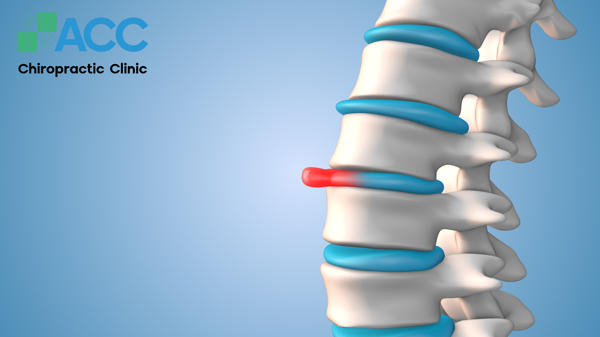
While a bulging disc is generally not life-threatening, it causes significant discomfort and pain and disrupts the patient’s daily activities. However, patients should not be indifferent to the condition, as it can progress into a herniated disc over time. Once herniation occurs, the patient’s mobility will severely decline, accompanied by more intense pain, significantly impacting their quality of life.
If you suspect you have a bulging disc or are experiencing unusual pain, contact us today!
6. How does a bulging disc lead to a herniated disc?
A bulging disc is considered the precursor stage of a herniated disc. This occurs when pressure from the bulging nucleus continues to push against the already weakened annulus fibrosus (outer shell). The shell stretches and thins until it cracks or ruptures completely. The internal nucleus pulposus then leaks out through this tear, directly compressing nerve roots and the spinal cord. Once the gel-like core escapes the disc, the condition is officially diagnosed as a herniated disc.
7. Can a bulging disc be cured? Treatment methods
A bulging disc can improve and even heal if diagnosed and treated correctly in its early stages. There are various treatment options available, ranging from conservative care to medical interventions. Below are the detailed treatment methods:
7.1. Hot or Cold Compresses
This is a simple home remedy for temporary pain relief. Initially, you can use cold packs to numb the nerves, which helps reduce pain and swelling. After a few days, once the acute pain has subsided, you can switch to warm compresses to help relax the muscles, increase blood circulation, and provide comfort.
7.2. Pain Relief Medication
If your pain is mild to moderate, a doctor may recommend over-the-counter (OTC) pain relievers such as acetaminophen (Tylenol, etc.), ibuprofen (Advil, Motrin IB, etc.), or naproxen sodium (Aleve). In other cases, a doctor may prescribe muscle relaxants or opioids to manage the pain effectively.

7.3. Physical Therapy
Physical therapy is a crucial method in the treatment of a bulging disc. A doctor or specialist will guide you through a personalized exercise program designed to relieve pressure on compressed nerves. Physical activity helps relax tight muscles, improves spinal flexibility, and enhances blood circulation.
7.4. Chiropractic Care
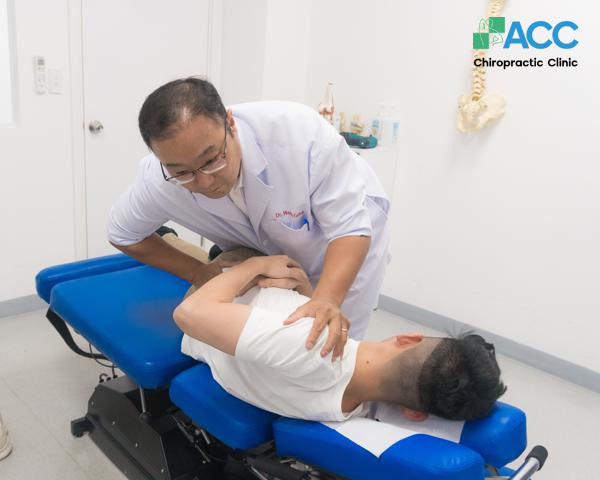
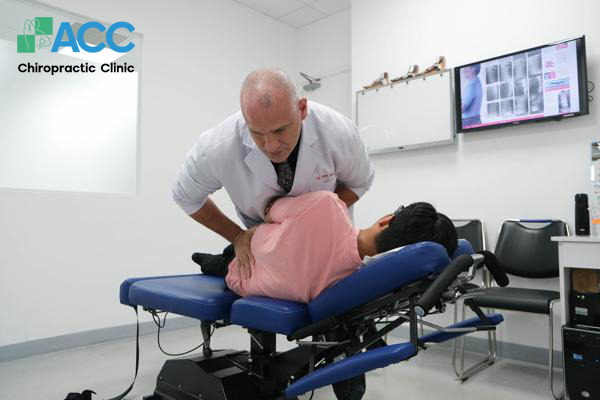
Chiropractic care originated in the United States in 1895 and is highly regarded in the musculoskeletal field for its positive results in treating bulging discs. Specifically, through gentle spinal adjustments, this method realigns the structure of the lumbar spine. It releases the compression caused by misaligned vertebrae or deformed discs on the nerves and spinal cord, encouraging the body’s natural self-healing mechanism. Over time, the function of the musculoskeletal system improves, and the pain naturally subsides.
7.5. Surgery
Surgery is only indicated for severe cases of bulging discs that do not show improvement after all other conservative methods have been applied. Common procedures include microdiscectomy, endoscopy, or artificial disc replacement. However, surgery carries potential risks such as surgical site infection, nerve damage, dural tears, etc. It also requires significant recovery time and involves high costs; therefore, patients should consider this option carefully.
7.6. Other Methods
In addition to the above methods, patients can adopt other management techniques such as resting in a comfortable position for 30 minutes, followed by short walks or light activities. Avoid activities that exacerbate the pain and ensure your movements are slow and controlled, especially when bending forward or lifting heavy objects.
Advice:
When choosing a treatment provider, patients should prioritize facilities with clear expertise and extensive clinical experience. A comprehensive examination unit—including medical history review, gait analysis, posture assessment, range of motion evaluation, and screening for potential risks – helps accurately determine the extent of damage and the root cause, ensuring the patient is TREATED CORRECTLY.
Below are the criteria for selecting the right medical facility for bulging disc treatment:
- Comprehensive Examination and Accurate Diagnosis: An in-depth clinical process (history taking, gait, posture, and range of motion assessment) helps pinpoint the exact severity and the root cause of the condition.
- International Quality Standards: A team of experienced doctors who follow strict medical standards, specializing in Musculoskeletal – Spine – Rehabilitation, helping to detect the actual cause rather than just treating the symptoms.
- Personalized Treatment Protocols: A flexible combination of methods such as spinal adjustments, physical therapy, specialized therapeutic exercises, and pain management interventions. Protocols are customized based on each individual’s specific condition (severity, age, needs, etc.), which shortens recovery time and reduces the risk of recurrence.
- Long-term Care and Support: Patients should be monitored regularly, with pre- and post-treatment evaluations, and provided with detailed guidance on maintenance exercises, daily posture, and nutrition to ensure sustainable recovery and prevent relapse
8. How to prevent a bulging disc?
Prevention is always better than a cure. Changing your lifestyle and daily habits plays a key role in protecting your spinal discs from degeneration. Refer to the detailed preventive measures below:
- Maintain a healthy body weight to reduce pressure on the spine, especially the lumbar region.
- Stay active and stand up to move around every 30-60 minutes if you work an office job; avoid sitting in one position for too long.
- Practice good posture consistently while standing, sitting, and sleeping to minimize stress on the spine.
- Use proper lifting techniques: You should avoid bending at the waist. Instead, bend your knees while keeping your back straight and use your strong leg muscles to support the weight.
- Limit high heels: Avoid wearing high heels frequently, as they misalign the spine and increase pressure on the lumbar discs.
- Quit or limit smoking: Smoking can weaken the discs, making them more prone to bulging.
- Exercise regularly at a moderate intensity to strengthen the muscles surrounding the spine and maintain flexibility.

9. Frequently Asked Questions (FAQs)
To help you better understand this condition, here are the answers to some common questions regarding bulging discs:
9.1. What are the symptoms of an L4-L5 bulging disc?
A bulging disc at the L4-L5 level typically causes symptoms such as lower back pain, sciatica (pain radiating down the leg), numbness or tingling in the lower back, legs, or feet, and weakness in the lower extremities. These symptoms may worsen during activities such as walking, bending, or sneezing.
9.2. Does a lumbar bulging disc require surgery?
No, this condition does not necessarily require surgery. In fact, the vast majority of cases can be treated using non-invasive conservative methods such as physical therapy, medication, and Chiropractic care. Surgery is only considered as a last resort when conservative treatments fail to provide relief after a period of time.
A bulging disc can happen to anyone and has the potential to develop into a herniated disc. Therefore, when you notice unusual spinal pain, it is essential to see a specialist for an accurate diagnosis and timely treatment.