






Contents
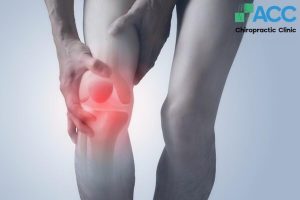
Osteoarthritis is essentially a condition characterized by damage to the articular cartilage, accompanied by inflammation and a reduction in synovial fluid. This occurs when the cartilage regeneration process cannot keep pace with the wear and tear over time. Knee osteoarthritis is the most common form, as this joint constantly bears the body’s weight for standing, pivoting, and moving.
Currently, knee osteoarthritis is trending upward among younger individuals due to sedentary lifestyles and poor nutritional habits. Without early intervention, the condition can lead to permanent disability and loss of mobility. ACC Clinic has successfully treated musculoskeletal pain without the use of drugs or surgery, achieving a success rate of up to 95%.

1. Signs and Symptoms of Knee Osteoarthritis
- Pain in the front or inner aspect of the knee joint: The pain typically intensifies during physical activity or when transitioning from a sitting to a standing position. Initially, patients may experience mild knee aches; however, over time, the pain becomes more severe and persistent.
- Joint stiffness: Difficulty moving the knee, especially after long periods of inactivity (e.g., waking up in the morning).
- Swelling: The knee joint may become visibly swollen or enlarged.
- Deformity and misalignment: The legs may develop a bow-legged (Genu varum / “O-shaped”) or knock-kneed (Genu valgum / “X-shaped”) appearance. In advanced stages, this can lead to a complete loss of functional mobility.
2. Recommended Diet for Patients with Knee Osteoarthritis
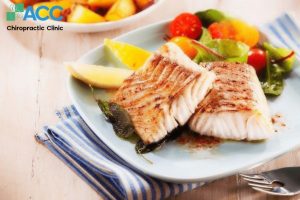
- Cold-water fish: Salmon, tuna, mackerel, and herring are rich sources of Omega-3 fatty acids – a highly effective natural anti-inflammatory agent. Nutritionists recommend consuming at least 3 servings of fish per week.
- Bone broth: Broths made from marrow bones or cartilage (beef/veal) provide high levels of Glucosamine and Chondroitin, which are natural building blocks of healthy cartilage. Additionally, these dishes provide a rich supply of Calcium, essential for skeletal health.
- Diverse protein sources: Patients can alternate between pork, poultry (chicken, duck), and shellfish (shrimp, crab) to ensure a diverse and balanced nutritional profile.
- Plant-based foods: It is highly recommended to include whole grains, soybeans, and leafy green vegetables in your daily meals. These foods are excellent for boosting the immune system and providing antioxidant support.
- Fruits: Papaya, pineapple, lemons, and oranges are rich in anti-inflammatory enzymes and Vitamin C. These natural active ingredients effectively combat inflammation and enhance joint flexibility.
- Avocado and Soybeans: Scientists have discovered the remarkable benefits of an avocado and soybean unsaponifiable (ASU) mixture in treating knee osteoarthritis. Recent studies show that compounds in these foods can stimulate chondrocytes (cartilage cells) to produce Collagen – the primary structural protein in cartilage, tendons, and bones.

Nowadays, home-based exercises for knee pain are gaining significant attention from individuals seeking rapid relief without relying on medication. However, to treat the root cause of knee pain, physical exercise alone is often not enough. Knee pain is a health condition that can affect anyone, regardless of age. Research shows…
3. What Should Patients with Knee Osteoarthritis Avoid to Manage Pain?
To prevent dangerous complications of knee osteoarthritis, ACC doctors recommend that patients limit the following:
- Red Meat (Beef, lamb, pork, goat, etc.): When the body digests red meat, it produces acid. Neutralizing this acid requires a significant amount of calcium. If dietary calcium is insufficient, the body will extract calcium from the skeletal system, significantly accelerating the progression of knee degeneration.
- Processed Foods containing Industrial Fats: Grilled foods, fries, and deep-fried items exacerbate joint inflammation and contribute to weight gain. Increased body weight places greater pressure on the joints, causing the cartilage surface to deteriorate faster.
- High-Sugar and High-Carbohydrate Foods: Biscuits, pastries, and sweets interfere with calcium absorption and damage proteins in the body. This triggers inflammation and weakens the entire musculoskeletal system.
- High-Sodium Diet: A diet high in salt makes bones brittle and prone to fractures while intensifying inflammation, leading to increased pain.
- Alcohol, Caffeine, and Carbonated Soft Drinks: These are harmful to individuals with knee osteoarthritis, arthritis, or gout. Long-term consumption worsens pain symptoms and makes clinical treatment significantly more complex.
4. Key Notes for Controlling Knee Osteoarthritis Symptoms
- Weight Loss if Overweight: Excess weight increases the mechanical load on the knee joints, worsening degeneration. Furthermore, adipose tissue (body fat) in obese individuals contains pro-inflammatory substances that accelerate the breakdown of joint cartilage.
- Prioritize Home-Cooked Meals: Not all store-bought food is hygienically safe or nutritionally balanced. Pre-packaged meals are often high in salt and unhealthy fats. Cooking at home allows you to proactively select joint-friendly ingredients and ensure balanced nutrition.
- Utilize Dietary Supplements:
- Glucosamine: Stimulates cartilage cells, inhibits cartilage-destroying enzymes, and boosts synovial fluid production.
- Chondroitin: Inhibits enzymes that cause cartilage degeneration.
- MSM (Methylsulfonylmethane): Reduces pain and inflammation; when combined with Glucosamine, it helps produce collagen to maintain joint elasticity.
- You can purchase high-quality, reputable supplements containing these nutrients directly at ACC clinics.
What to eat for knee osteoarthritis is a common concern among patients at ACC. For effective treatment, in addition to adhering to the Personalized Treatment Protocol, ACC doctors recommend a scientifically-backed diet to reduce swelling and pain. We also advise patients not to follow any specific diet without consulting a specialist, as dietary recommendations must be tailored to each patient’s unique medical history.
>> Related posts: