






Contents
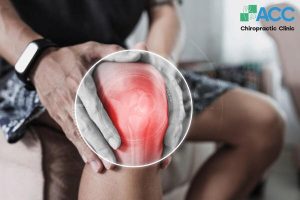
Knee osteoarthritis is one of the earliest signs of musculoskeletal conditions. While it can affect anyone, it is most prevalent among the elderly. The condition causes persistent, dull aching accompanied by joint stiffness, making mobility increasingly difficult. Many patients overrely on painkillers, antibiotics, and anti-inflammatory drugs for temporary relief, which can lead to long-term consequences due to side effects.
To effectively treat knee osteoarthritis, patients should consult with a Chiropractic specialist to identify the root cause and apply non-drug, non-surgical therapies. Additionally, nutrition plays a vital role. So, what should patients with knee osteoarthritis eat and avoid to minimize pain and support the healing process?
1. The Importance of Nutrition in Treating Knee Osteoarthritis
Inflammation generates free radicals – unstable molecules capable of damaging cells. The synovial bursa (the fluid-filled sac located between articular cartilage, the synovial membrane, and ligaments) is particularly vulnerable to free radical damage, much like other soft tissues in the body.
Antioxidants play a crucial role in protecting the body against these free radical attacks. Therefore, a scientifically structured diet rich in antioxidants helps the body actively prevent joint inflammation and effectively soothe joint pain.
Early signs of knee arthritis include pain and stiffness upon waking or when the weather changes. However, many people underestimate and ignore these symptoms, leading to serious consequences. 1. The Mechanics of Knee Degeneration Osteoarthritis of the knee is characterized by the progressive degradation of articular cartilage. When this vital…
2. Recommended Foods for Knee Osteoarthritis
2.1. Fatty Fish
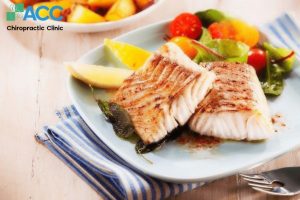
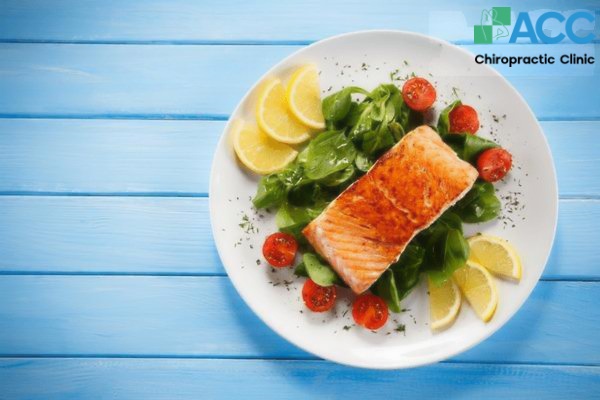
Fatty fish (oily fish) are excellent sources of Vitamin D and Omega-3 fatty acids. These nutrients possess potent anti-inflammatory properties and help alleviate arthritis symptoms by inhibiting the production of cytokines and enzymes that break down cartilage.
- Best choices: Salmon, mackerel, sardines, herring, anchovies, hilsa, and tuna.
- Benefit: Salmon, in particular, is rich in Omega-3, which is highly beneficial for patients with knee osteoarthritis.
2.2. Bone Marrow and Ribs
Broths made from beef cartilage or marrow bones are rich in Chondroitin and Glucosamine – compounds that strengthen joints and promote cartilage health. Additionally, the high calcium content in bone broths helps prevent musculoskeletal conditions, particularly osteoporosis.
2.3. Anti-inflammatory Spices: Chili, Pepper, Ginger, and Garlic
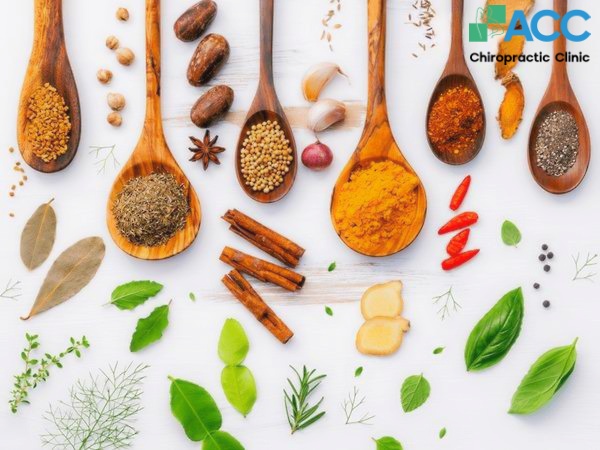
Beyond enhancing the flavor of your meals, spices such as chili, pepper, ginger, and garlic are excellent additions to an arthritis-friendly diet.
- Chili peppers contain Capsaicin, an active compound widely used to alleviate mild joint and muscle pain.
- Garlic is rich in Allicin, a potent antioxidant that inhibits viral attacks. Furthermore, garlic contains specific compounds like Diallyl disulfide, Ajoene, Diallyl trisulfide, and Phytoncides, which provide effective anti-inflammatory benefits. Research also suggests that garlic can significantly strengthen the body’s immune system.
- Ginger is another powerful ingredient that helps mitigate the symptoms of osteoarthritis. Patients are encouraged to incorporate either fresh or dried ginger into their daily menu.
2.4. Walnuts and Flaxseeds
Walnuts and flaxseeds are abundant sources of Omega-3 fatty acids, which effectively reduce inflammation and joint swelling. Notably, despite being calorie-dense and providing healthy fats, these two types of seeds do not contribute to obesity when consumed appropriately.
2.5. Broccoli (Green Cauliflower)
Sulforaphane found in broccoli acts by neutralizing enzymes that cause cartilage damage. Therefore, incorporating this vegetable into your diet is a proactive way to prevent early-stage osteoarthritis. Additionally, broccoli is rich in Vitamin K, Vitamin C, and various other antioxidants that have a positive impact on bone and cartilage, fighting inflammation and strengthening overall musculoskeletal health.
2.6. Berries
Berries are packed with antioxidants that protect the body against cell-destroying free radicals. Compounds such as Quercetin and Rutin found in berries have been proven to increase bone density and reduce inflammatory markers associated with joint conditions, as well as other serious illnesses like diabetes, cardiovascular disease, eye conditions, infections, cancer, and Parkinson’s disease.
Most berries are beneficial for arthritis patients, including:
- Grapes
- Plums
- Acerola cherries
- Blueberries
- Cherries
- Raspberries
- Strawberries

2.7. Foods Rich in Beta-carotene
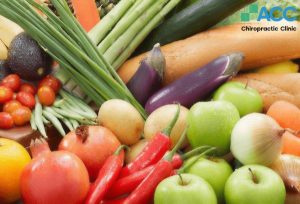
Beta-carotene is a powerful antioxidant that helps intercept and neutralize free radicals before they can damage the joints. This compound is found in high concentrations in orange, red, and dark green fruits and vegetables, such as:
- Cruciferous vegetables: Brussels sprouts, collard greens, mustard greens.
- Leafy greens: Romaine lettuce, spinach.
- Root vegetables and others: Sweet potatoes, carrots, tomatoes, asparagus.
- Fruits and herbs: Apricots, parsley, mint leaves.
2.8. Mushrooms
Beyond being a health-boosting food for the elderly – improving resistance and reducing cardiovascular and cancer risks – mushrooms contain Polysaccharides. these compounds inhibit lipid peroxidation, enhance cellular DNA synthesis, and provide effective anti-tumor properties.
2.9. Soy Products
Soy is a versatile and affordable superfood with significant health benefits due to its high content of protein, essential minerals (Ca, Fe, Mg, P, K, Na, S), and vitamins. Furthermore, soy possesses potent antioxidant properties that stimulate collagen production in chondrocytes (cartilage cells). Incorporating soy into your diet not only strengthens the immune system but also minimizes the risks of cardiovascular disease, obesity, and especially arthritis.
2.10. Vitamin C and Bioflavonoids
Bioflavonoids are a group of plant pigments that give color to fruits and vegetables rich in Vitamin C. Similar to Quercetin, these act as antioxidants capable of neutralizing cell-damaging free radicals.
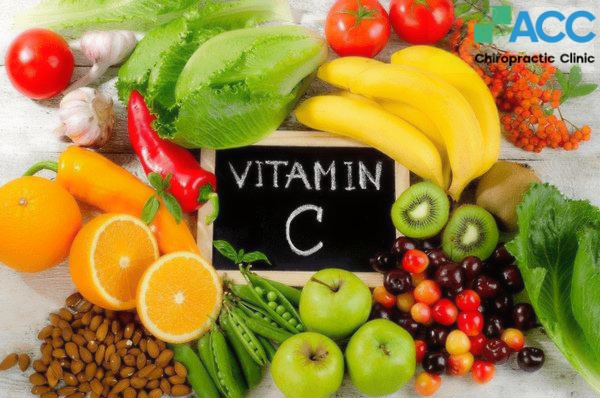
Vitamin C (Ascorbic Acid) is known for its high antioxidant capacity, immune-boosting effects, and its role in the synthesis of Type I Collagen – a key component of the extracellular matrix in joint cartilage. Research indicates that Vitamin C also increases bone density in the cervical spine and hips, making it highly beneficial for those with osteoporosis or a high risk of joint degeneration.
Sources of Vitamin C and Bioflavonoids include:
- Alliums: Red and white onions, leeks.
- Leafy & Cruciferous: Kale, cauliflower, broccoli.
- Tropical Fruits: Papaya, guava, pineapple.
- Citrus: Oranges, grapefruits.
- Berries & Others: Blueberries, blackcurrants, apricots, kiwi, raspberries, strawberries.
- Vegetables: Red cherry tomatoes, bell peppers, green tea.
Knee effusion significantly hinders daily activities and quality of life. To ensure a quick recovery, alongside timely medical diagnosis and treatment, maintaining a proper nutritional regimen is essential. Choosing the right foods plays a critical role in protecting your joints and preventing long-term complications.So, what should you eat, and what…
3. Foods to Avoid to Reduce Pain and Inflammation
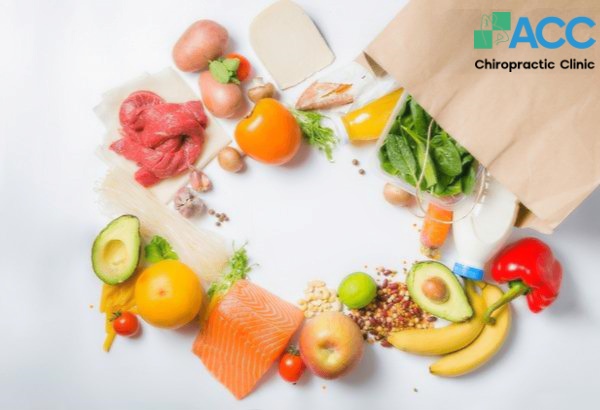
In addition to incorporating beneficial foods, patients should steer clear of the following “pro-inflammatory” items:
- High-phosphorus foods: Organ meats, red meats, and canned meats.
- Fast food and processed items: Highly processed snacks and deep-fried foods.
- Sugary and salty treats: Sweetened beverages, candies, and foods high in added sugars or sodium.
- Specific local triggers: Certain types of bananas (Musa basjoo), eggplants, pickled vegetables, field crab soup, and high-protein/high-fat traditional meats.
- Dairy products: Especially those high in saturated fats.
- High-fat meats: Fatty cuts of meat, sausages, and ham – these can increase blood lipids, significantly aggravating joint inflammation.
Understanding what to eat and what to avoid is no longer a challenge if patients pay close attention to these food groups in their daily meals. However, nutrition is only a supportive factor. To treat the root cause, patients must seek timely medical intervention, adopt the right therapeutic approach, and strictly adhere to the treatment plan prescribed by their specialist.
>> Related articles: