






Contents
In Vietnam, over 60% of the elderly population suffers from chronic joint pain, leading to restricted mobility and significant challenges in daily activities. This often results in a loss of comfort and daily joy. Join ACC as we explore the causes of joint pain in seniors and discover the most effective treatment options in the article below.
1. How Joint Pain Impacts the Quality of Life in Seniors
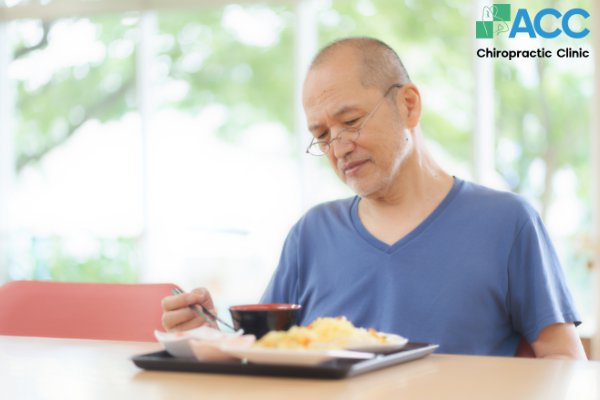
Joint pain is a common condition among the elderly, causing significant distress and substantially reducing their quality of life. In Vietnam, approximately 60% of people over 60 and 85% of those over 85 suffer from musculoskeletal disorders. This is a concerning figure, as the prevalence of joint pain in seniors increases significantly with age.
Older adults may experience joint pain in various areas, such as the neck, lower back, arms, legs, spine, and knees. Persistent pain leads to fatigue, insomnia, depression, and anxiety, while also increasing the risk of developing other bone and joint complications. Find out more about the causes and how to care for knee joint pain in the elderly
Many people believe that generalized Musculoskeletal pain only affects older adults due to age-related degeneration of the musculoskeletal system. However, this condition is increasingly common among younger individuals. If left untreated, it may lead to serious health complications later in life. 1. What Is Musculoskeletal Pain? What Are the Symptoms?…
2. Why Do the Elderly Experience Joint Pain?
Joint pain in older adults can stem from the following causes:
2.1. The Natural Aging Process
As age increases, the body’s aging process accelerates. Vital components such as cartilage, joints, bones, and muscles gradually wear down, becoming thinner, weaker, and more susceptible to injury. A reduction in bone density and muscle mass directly leads to persistent bone and joint pain in seniors.
2.2. Injuries
Common incidents such as traffic accidents, occupational injuries, or sudden falls have a major impact on joints and ligaments. These can cause inflammation, bruising, and in more severe cases, structural damage to the musculoskeletal system, resulting in debilitating pain.
2.3. Osteoarthritis and Degenerative Joint Disease
When the cartilage between joints weakens and thins out, it loses its cushioning effect. If this cartilage tears or disappears entirely, the bone ends rub directly against each other. This friction causes intense pain and can stimulate the growth of bone spurs, further worsening the condition.
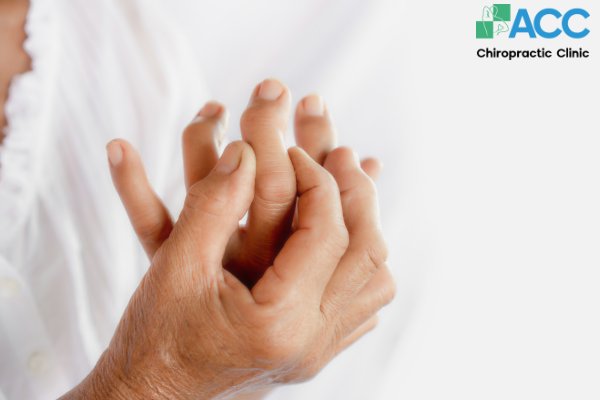
2.4. Rheumatoid Arthritis Rheumatoid arthritis
Rheumatoid Arthritis is a chronic autoimmune disorder where the immune system mistakenly attacks healthy cells. This triggers inflammation in the synovium (the lining of the joints), causing severe joint pain and stiffness in the elderly.
2.5. Bursitis
The synovium (or bursa) is a fluid-filled sac located within the joint capsule that acts as a lubricant to ensure smooth joint movement. When a joint becomes inflamed, the fluid within this sac increases, leading to bursitis. This condition causes distressing joint pain and discomfort for the elderly.
2.6. Herniated Disc
A herniated disc occurs when the outer ring (annulus fibrosus) tears, allowing the soft inner core (nucleus pulposus) to leak out. This protrusion puts pressure on nearby nerves and the spinal cord. Patients experience intense pain and numbness at the site of the herniation, which can radiate to other areas such as the arms or legs.
2.7. Osteoporosis
In older adults, bone density and calcium quality decrease, causing bones to become thin, brittle, and prone to fractures. The most typical symptom is back pain, which often intensifies during physical activity and subsides with rest.
In addition, joint pain in the elderly can also be caused by:
- Being Overweight: Excess body fat puts significant pressure on the musculoskeletal system, particularly the knees and spine. Over time, this lead to persistent pain in these areas.
- Nutritional Deficiencies: A lack of essential nutrients, especially those vital for bone health like Calcium and Omega-3, can trigger aches and pains as one ages. Check out effective Calcium-rich foods for seniors.
- Unhealthy Lifestyle: Regular alcohol consumption, smoking, and lack of sleep are significant contributors to joint pain in older adults.
- Weather Changes: When the weather turns cold, changes in barometric pressure can put stress on the skin and nerves, causing patients to feel achy and sore in their joints.
- Genetics: If family members have a history of joint pain, the likelihood of developing similar conditions is higher than average.
3. How to Treat Joint Pain in Older Adults?
There are six common methods currently used to manage joint pain in seniors.
3.1. Medication
Osteoporosis and degenerative joint medications such as Vitamin D, bisphosphonates, acetaminophen, and non-steroidal anti-inflammatory drugs (NSAIDs) like celecoxib and etoricoxib provide rapid pain relief. However, medication only offers temporary results; if the patient stops using them, the pain often recurs. Medication must be prescribed by a doctor and should not be overused. These drugs can cause side effects such as liver and kidney damage or gastric ulcers.
3.2. Massage Therapy
Body massage is an effective way to reduce mild joint pain in the elderly. Massage techniques help improve blood circulation to the affected area, relax the muscles, and soothe aches from within. Suggested methods include hot stone massage, warm compress therapy, Thai yoga massage, and deep tissue massage.
3.3. Platelet-Rich Plasma (PRP) Therapy
Platelet-Rich Plasma (PRP) is a treatment using a blood-derived product where red and white blood cells are separated, leaving a platelet concentration 2–8 times higher than normal. Doctors inject this plasma into the painful joint area to promote healing and soothe the pain.
3.4. Physiotherapy and Rehabilitation
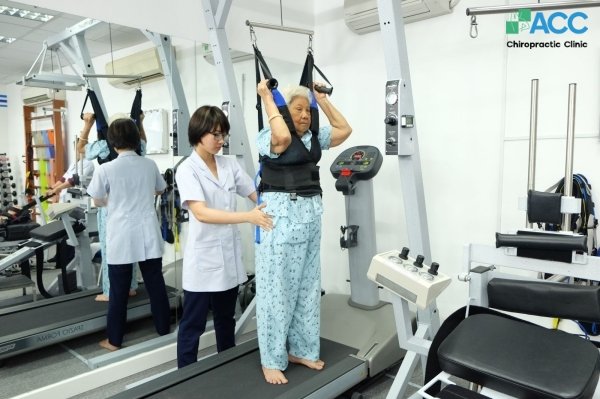
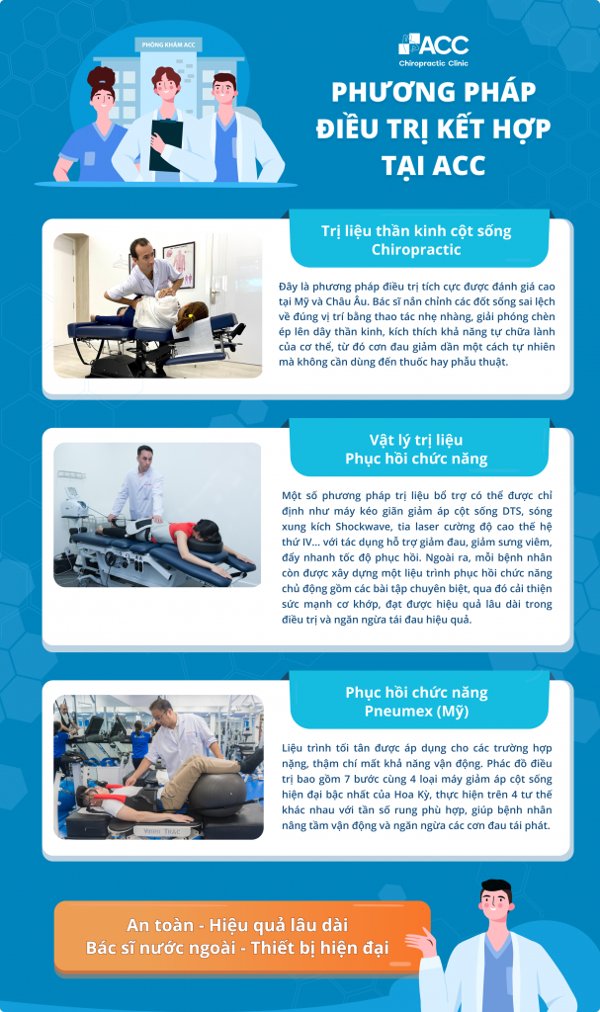
Physiotherapy and Rehabilitation help improve and restore musculoskeletal functions safely and non-invasively. This method includes two forms: active and passive. Active therapy consists of physical exercises to build muscle strength, boost circulation, and increase joint flexibility. Passive therapy utilizes modern equipment such as sound waves, heat, light, and mechanical decompression to reduce nerve compression and pain.
At ACC Clinic – a trusted unit for musculoskeletal treatment, we provide optimal Physiotherapy and Rehabilitation programs for patients. Our doctors design personalized exercise plans for each patient, including guided home exercises combined with advanced technology such as the DTS system, ATM2, Shockwave therapy, and Class IV laser. This ensures high treatment efficacy, effectively reducing joint pain in seniors and promoting a speedy recovery.
3.5. Chiropractic Care
Another highly regarded treatment in modern medicine for seniors with joint pain is Chiropractic care. This method prioritizes safety—using no drugs and no surgery—by addressing the root cause of the condition to eliminate pain at its source, ensure long-lasting results, and prevent recurrence.
ACC Clinic is proud to be the first pioneer in applying Chiropractic care for treating joint pain in the elderly in Vietnam. To double the treatment efficacy, our doctors integrate Chiropractic care with Physiotherapy and Rehabilitation. This combination shortens treatment time and accelerates the patient’s physical recovery process.
Watch Dr. Wade Brackenbury from ACC share insights on joint pain treatment for the elderly in the video below:
3.6. Surgery
In cases where the aforementioned treatments for elderly joint pain do not yield positive results or the condition becomes too severe, surgery may be considered by physicians. However, this method carries several health risks, such as infection, nerve damage, inflammation, or potentially worsening pain. Therefore, patients must engage in thorough discussions with their doctors before making a final decision.
4. Tips to Manage and Reduce Joint Pain in Seniors
Older adults can adopt the following practices to minimize pain and prevent their condition from worsening:
4.1. Maintain a Balanced Diet
Build a nutrient-rich diet beneficial for bone health, including Calcium (shrimp, milk, cheese, etc.), Omega-3 (fatty fish, nuts, etc.), and green leafy vegetables (kale, spinach, etc.). Additionally, seniors should limit unhealthy options such as greasy foods, processed canned goods, sugary drinks, and alcohol.
4.2. Adopt a Healthy Lifestyle
Going to bed on time and getting enough sleep (8 hours per day, avoiding electronic devices before bed, etc.) and managing stress (practicing meditation, taking proper rest) are effective ways to help patients reduce joint-related pain.
4.3. Regular Physical Exercise
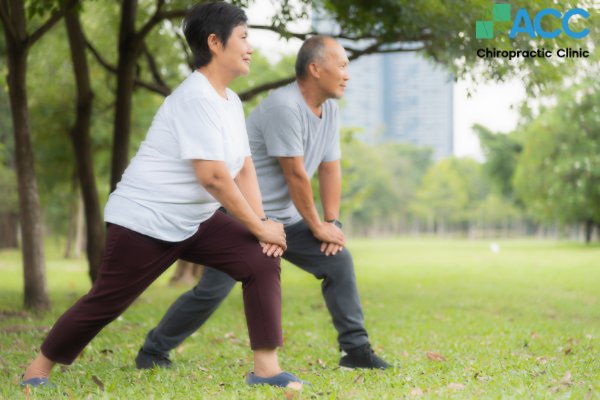
Daily physical activity with low-impact exercises suited to one’s fitness level, such as walking or Tai Chi, is highly recommended. Movement enhances joint flexibility, stimulates the production of joint lubricants (synovial fluid), and alleviates persistent aches.
4.4. Keep the Body Warm in Cold Weather
When temperatures drop, seniors with joint pain should dress in layers, keep painful areas warm, and avoid excessive outdoor exposure. Drinking warm tea is also an excellent way to maintain body temperature.
4.5. Maintain a Healthy Weight
Balanced nutrition combined with regular exercise helps maintain a healthy weight and prevents obesity. This reduces the mechanical load on joints and prevents other musculoskeletal complications.
4.6. Quit Smoking
Smoking can exacerbate joint pain and inflammation; therefore, patients should quit smoking as soon as possible to protect their health.
In conclusion, when joint pain in the elderly is treated correctly, it can lead to maximum pain relief, ensured safety, prevention of recurrence, and a significant improvement in the patient’s overall physical well-being.
>> Related posts: