






Contents
- 1. Symptoms of post-Cesarean back pain
- 2. When does post-Cesarean back pain appear, and how long does it last?
- 3. What causes post-Cesarean back pain?
- 4. How to relieve post-Cesarean back pain? Home remedies
- 5. When to see a doctor for post-Cesarean back pain?
- 6. Criteria for choosing a suitable treatment facility for post-Cesarean back pain
- 6.1. Medical facilities with clear professional accreditation
- 6.2. Highly skilled and experienced team of doctors and specialists
- 6.3. Medical-standard treatment quality with a clear oversight system
- 6.4. Personalized treatment protocols for each patient
- 6.5. Long-term support for lasting relapse prevention
- 7. Common questions regarding post-Cesarean back pain
Back pain after a cesarean section is a fairly common condition that causes significant fatigue and can greatly impact a mother’s quality of life if not addressed promptly. So, what are the causes of this condition, and what are the effective ways to relieve back pain after a C-section?
1. Symptoms of post-Cesarean back pain
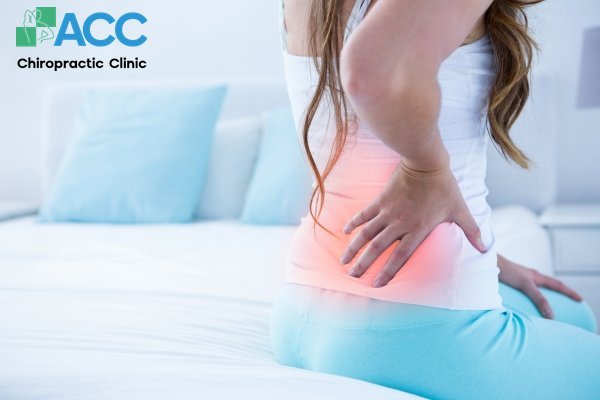
According to statistics, up to 70% of women experience back pain following a C-section. This condition is characterized by the appearance of uncomfortable pain in the back, particularly in the lower back and lumbar region.
Postpartum back pain typically subsides when the mother rests or applies pain-relief measures. However, the intensity of the pain increases during physical activity; it may manifest as a sharp, stinging sensation in the lumbar area, which can limit the ability to walk, sit down, or stand up comfortably.
2. When does post-Cesarean back pain appear, and how long does it last?
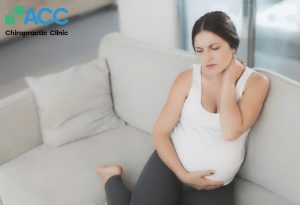
Back pain after a C-section can appear 3 to 6 hours after the surgery is completed, as the anesthesia gradually wears off. The pain may last for several weeks and often intensifies during activities such as holding the baby, bending over, or maintaining incorrect breastfeeding postures.
While post-Cesarean back pain is usually temporary with intensity decreasing over time mothers should not be subjective. This condition can stem from various factors. In some cases, the pain can persist for months or even years, significantly impacting health and daily life.
3. What causes post-Cesarean back pain?
Post-Cesarean back pain is caused by a combination of factors: the effects of spinal anesthesia (the most common), hormonal changes causing ligament laxity, weight gain, poor breastfeeding posture, exposure to cold, sedentary habits or overexertion, and pre-existing musculoskeletal issues. These factors place pressure on the spine, strain the muscles, and loosen ligaments, leading to persistent aching. Detailed causes include:
3.1. Spinal Anesthesia
Post-delivery, mothers may feel pain at the needle insertion site, which typically subsides after a few days. However, if the anesthesia process causes injury to the lumbar ligaments, the symptoms of back pain after delivery will become more severe.
3.2. Physiological Ligament Laxity
During pregnancy, hormonal changes cause the joints and ligaments connecting the pelvis to loosen. This causes pain when walking, standing, sitting for long periods, or bending over. After birth, these structures do not recover immediately; therefore, mothers continue to experience back pain until the joints, ligaments, and muscles regain their strength.
3.3. Pre-existing Musculoskeletal Conditions
The spine endures significant pressure during pregnancy. Combined with prior poor postural habits, this increases the risk of developing conditions such as herniated discs or spinal degeneration, leading to back pain after a C-section. Additionally, a diet lacking calcium during and after pregnancy can lead to osteoporosis, resulting in back pain.
3.4. Hormonal Changes
During pregnancy, the body increases production of the hormone Relaxin, which loosens pelvic ligaments and joints to facilitate childbirth. However, this causes spinal instability, pain, and an increased risk of joint and ligament inflammation. Since Relaxin remains in the body after delivery, mothers may continue to experience back pain.
3.5. Weight Gain
Weight gain during pregnancy forces the lumbar spine to support a much heavier load. This factor can damage the spine, causing back pain that starts during pregnancy and persists long after delivery.
3.6. Stress and Anxiety
The pressure of childcare, along with prolonged anxiety or stress, can lead to muscle tension and postpartum back pain.
3.7. Sedentary Lifestyle or Overexertion
After giving birth, many women tend to remain completely immobile due to the fear of affecting the surgical incision. This lack of movement hinders blood circulation, causing it to stagnate in the pelvic region and leading to back pain. Conversely, returning to work or walking excessively before the body has fully recovered can cause the ligaments to overstretch, also resulting in back pain.
3.8. Incorrect Breastfeeding Posture
Improper breastfeeding posture is another leading cause of back pain after a C-section. Specifically, hunching over while nursing or constantly looking down at the baby are poor postures that negatively impact the cervical and lumbar spine, often causing neck, shoulder, and back fatigue for the mother.
3.9. Exposure to Cold
Postpartum women who are exposed to cold may experience symptoms of generalized joint and bone aches, including back pain.
4. How to relieve post-Cesarean back pain? Home remedies
Mothers can refer to various tips for treating back pain after a C-section, such as using warm compresses, taking warm baths, or receiving gentle massages to improve blood circulation and reduce pain. Additionally, you should pay attention to adjusting your posture during breastfeeding avoid hunching over and keep your back straight to prevent placing unnecessary pressure on your spine.
Note: Postpartum mothers are highly sensitive to medication ingredients. To ensure the safety of both mother and baby, do not use painkillers for back pain without a doctor’s prescription.
Below are effective ways to reduce back pain after a C-section:
4.1. Adequate rest and mental relaxation
Mothers should prioritize rest and avoid heavy labor to allow the incision to heal and support back pain relief. It is important to choose comfortable resting positions, such as lying on your side with a firm pillow between your knees to relieve pressure on the lower back. Alternatively, you can lie on your back with a small pillow tucked under your knees while sleeping. Avoid lying on your stomach, as this can strain the spine and irritate the incision site. Furthermore, maintaining a relaxed mental state through conversations with loved ones, listening to music, or meditation is crucial, as prolonged stress is a known cause of postpartum back pain.
4.2. Gentle massage
Massage therapy promotes blood circulation, reduces muscle tension, and effectively alleviates back pain and fatigue. Mothers can look into professional postnatal home massage services to help the body feel more comfortable.
4.3. Warm compresses or warm baths
Using warm compresses or bathing in warm water is a helpful home remedy. The heat helps dilate blood vessels, enhances circulation, and reduces pain and muscle spasms in the back.
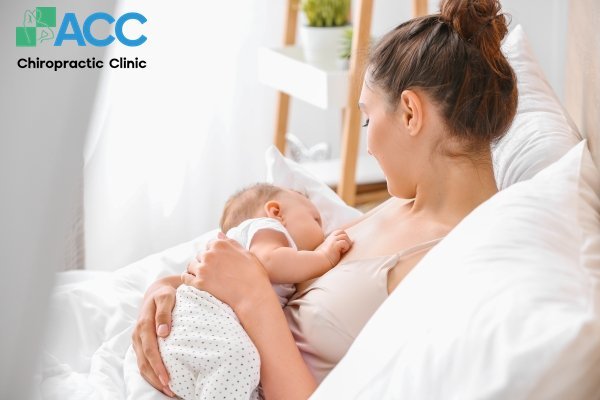
4.4. Proper breastfeeding posture
A simple way to reduce pain is to ensure correct breastfeeding posture, avoiding bending or hunching for too long. Frequently changing your nursing position also helps prevent stiffness. Suggested breastfeeding positions to avoid back pain:
- Laid-back nursing: Recline at a 45-degree angle (supported by pillows) and let the baby lie on your chest/stomach to nurse.
- Side-lying position: Lie on your side with the baby parallel to you. Support the baby’s head with your arm and have them face your breast.
4.5. Weight loss
Losing excess weight to reach a healthy range is an effective way to reduce the load on the lumbar spine. However, weight loss must be done scientifically, especially while breastfeeding, to avoid affecting the baby’s development or the mother’s health.
4.6. Exercise
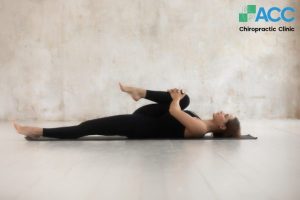
Gentle physical activity for 20-30 minutes daily can help relieve back pain. However, only begin exercising once cleared by a doctor. Choose simple yoga poses or specific postpartum exercises that strengthen the abdominal muscles and release back tension without straining the incision. Gentle walking is also excellent for improving blood flow.
4.7. Improved diet
To prevent calcium deficiency, mothers should maintain a nutrient-rich diet. Incorporate foods high in Zinc (mushrooms, beef, cereals), Iron (chicken, egg yolks, beans), and Calcium (yogurt, almonds, leafy greens). Additionally, increase vitamin intake and drink 2-2.5 liters of water daily.
5. When to see a doctor for post-Cesarean back pain?
While back pain is common, do not ignore it if it persists or is accompanied by “red flags” such as: fever, numbness, pain that disrupts sleep, or difficulty walking. You should seek medical attention immediately in these cases.
Most importantly, remember that home remedies often provide only temporary relief. Visiting a reputable spinal clinic is essential for proper diagnosis and treatment. Chronic back pain can lead to a vicious cycle of insomnia, limited mobility, and pain radiating to the hips and legs, eventually leading to stress and long-term risks like herniated discs or spinal degeneration.
6. Criteria for choosing a suitable treatment facility for post-Cesarean back pain
To select a high-quality facility for postpartum back pain treatment, the provider should fully meet the following critical criteria:
6.1. Medical facilities with clear professional accreditation
Patients should prioritize large hospitals or facilities affiliated with reputable medical groups. These institutions maintain strict quality control systems, ensuring that every patient is examined and treated according to medical standards certified by a recognized healthcare group.
6.2. Highly skilled and experienced team of doctors and specialists
Expert doctors with extensive clinical experience can accurately identify the extent of damage and the underlying causes to build a safe treatment protocol. Therefore, beyond the facility’s history, patients should focus on a medical team that is formally trained, fully licensed, and has at least 10 years of clinical experience in treating musculoskeletal and spinal conditions.
In addition to doctors, the rehabilitation specialist team must also be highly trained and certified. This ensures that the patient is monitored by a synchronized medical system rather than depending on a single individual.
6.3. Medical-standard treatment quality with a clear oversight system
Reputable facilities affiliated with international healthcare systems often apply rigorous internal quality controls, including:
- A thorough examination process (medical history, clinical exam, motor function testing, and risk analysis).
- Continuously updated medical records.
- Protocols developed based on clinical diagnosis, imaging, and the patient’s actual progress. This scientific approach helps identify the root cause and minimizes the risk of misdiagnosis or subjective treatment.
6.4. Personalized treatment protocols for each patient
The core need for a patient is not just temporary relief, but finding the right place to understand the pain correctly. A tailored protocol should be based on:
- The severity and stage of the condition.
- Age, physical condition, and mobility needs.
- Underlying medical conditions and prior treatment history. A reputable clinic should offer personalized conservative treatment – combining methods such as Chiropractic, Physical Therapy, and Specialized Exercise. This increases efficacy without medication, surgery, or pain.
6.5. Long-term support for lasting relapse prevention
To help patients proactively prevent recurrence, a high-quality facility emphasizes post-treatment care:
- Home exercise guidance: Customized routines for self-practice.
- Ergonomic consultation: Advice on posture for daily activities and work.
- Follow-up care: Monitoring progress and scheduling periodic check-ups.
7. Common questions regarding post-Cesarean back pain
In the process of searching for ways to treat back pain after a C-section, many people have the following concerns:
7.1. What medication should be taken for post-Cesarean back pain?
Pain relievers such as acetaminophen and ibuprofen can effectively and quickly reduce muscle spasms and back pain. However, during the postpartum period especially while breastfeeding mothers should not self-medicate. It is essential to consult a doctor or pharmacist regarding the appropriate dosage and whether the medication is safe to use.
Furthermore, extreme caution should be taken with traditional herbal remedies or “secret” family prescriptions of unknown origin, as they may negatively impact the health of both the mother and the baby.

7.2. Are traditional herbal remedies for post-Cesarean back pain effective?
Folklore suggests that using certain herbs such as applying warm compresses of mugwort or piper lolot leaves, or drinking water brewed from Polyscias fruticosa (Đinh lăng) roots can help alleviate back pain. However, these are merely traditional tips, and their effectiveness has not been scientifically proven. Mothers should consult a specialist before applying these methods.
Do not underestimate back pain after a C-section, as this condition can persist and seriously affect a woman’s health. Therefore, if you notice that the pain shows no signs of improvement, you should seek a medical examination early for timely treatment.
>> Related articles: