





Contents
A patient’s inquiry sent to ACC Clinic:
“I am looking for medical advice on how to relieve joint pain without medication. I have been taking drugs for over two years, but the pain only stops for a few days before returning. Lately, I have also developed stomach pain, which is very exhausting.” (Ms. Hang, 48 years old, Ho Chi Minh City)
ACC Chiropractic Specialist explains:
“Hello, first of all, I would like to explain a bit about the causes of joint and bone pain. Many people believe this condition is simply due to weather changes, poor posture, or overexertion, so they often use medication to cut the pain quickly. However, prolonged joint pain can be a warning sign of various conditions such as herniated discs, spinal degeneration, arthritis, and more.
In such cases, patients need to be examined and treated with a method that addresses the root cause. Please note that painkillers or anti-inflammatory drugs only provide temporary relief and can leave behind many side effects. In your specific case, it is highly likely that your stomach pain is a side effect of long-term joint pain medication. In medicine, there are many other safe and effective ways to treat joint pain without the need for drugs.
Patients can explore the following 5 methods:
1. Rest and proper nutrition for joint health
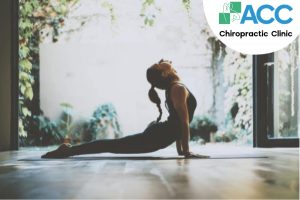
For patients with chronic arthritis or pain caused by ligament or cartilage damage, resting is a highly effective way to reduce pain. However, patients should still dedicate about 30 minutes a day to gentle physical activities such as walking, swimming, or yoga. This helps prevent joint stiffness and muscle weakness caused by prolonged immobilization.
Furthermore, to slow the progression of arthritis, patients should establish a healthy nutritional plan. Especially for those who are overweight, reducing body weight by ≥10% will significantly improve pain levels and joint function. Focus more on foods rich in calcium, vitamin D, magnesium, fatty acids, and fiber to both control your weight and keep your joints flexible and strong.

Additionally, incorporating active ingredients such as Glucosamine and Chondroitin contributes to reducing inflammation and pain, effectively promoting the regeneration of cartilage and subchondral bone. However, patients should be cautious of low-quality supplements flooding the market. Using counterfeit or poor-quality products not only fails to improve the condition but can also cause poisoning, vomiting, rashes, hypotension (low blood pressure), and, more severely, damage the excretory system and kidneys.
Spinal degeneration is a chronic condition caused by degenerative disc and joint disease. People with spinal degenerative conditions experience pain and limited motion due to pinched nerves and other dysfunctions. Many people rely on pain killers, topical herbs, and other alternative medicines with the hope to reduce pain and symptoms.…
2. Correct massage techniques for immediate pain relief
Massage (or acupressure) is a traditional medical method for relieving joint pain by improving blood circulation to the injured area. This helps reduce muscle stiffness, improve range of motion, and alleviate painful sensations.
The key is to perform the massage on the right spots and with the correct technique. Here are some effective massage methods for joint pain:
– Shoulder and Neck Massage
- Step 1: Rub your palms together and apply them to the back of the neck to create a warming sensation.
- Step 2: Use your hands to knead the muscles surrounding the cervical spine and shoulders.
- Step 3: Use the thumb on one side and the remaining fingers on the other side to gently squeeze and knead until the neck and shoulder area turns slightly pink, then stop.
– Back Massage
- Step 1: Use your fingertips or the base of your palm to make circular rubbing motions over the painful area. Then, use both hands to rub the back vigorously in opposite directions, horizontally and vertically. Perform each motion for about 2 minutes to warm the skin.
- Step 2: Press and then strike (percuss) both sides of the lower back three times. For the pressing technique: use the base of the palm and the mounds of the thumb and pinky to press down and move in a circular motion.
- Step 3: Roll your hands along the two muscle groups next to the spine down to the hips for 2-3 minutes, then continue rolling from the hips down to the legs.
- Step 4: Use both hands, thumb and fingers to grasp and knead the back muscles.
- Step 5: Press your fingers along the back to find trigger points (painful spots), then knead from light to firm pressure. Total massage time should be about 20 minutes.
– Foot Massage
- Step 1: Rub the soles of both feet together vigorously about 10-20 times.
- Step 2: Place the inner side of one foot on top of the other and rub back and forth 10-20 times, then switch sides.
- Step 3: Rub the outer side of one foot over the outer arch (instep) of the other foot. Rub 10-20 times and then switch sides.
3. Hot/Cold Compresses to Soothe Joint Pain
Hot Compresses are a suitable pain relief measure for cases caused by arthritis, osteoarthritis, gout, or aches occurring more than 48 hours after an injury. Heat works by dilating blood vessels, which stimulates blood flow to the painful and stiff areas. At the same time, it helps regulate sensory nerves, allowing patients to perceive pain more mildly.
Instructions:
- Method 1: Use heat-retaining products such as heating pads, medical hot water bottles, or heat wraps to apply warmth to the painful joint area.
- Method 2: Soak in warm water between 33-37°C.
- Method 3: Melt paraffin wax and let it cool to about 43°C. Then, apply it to the painful joint or quickly dip your hands or feet directly into the paraffin wax.
Important Notes:
- Use a moderately warm temperature (about 33-38°C) to avoid skin burns.
- Do not use hot compresses if the painful area is bruised, swollen, numb, has an open wound, or if the patient has underlying conditions such as diabetes, dermatitis, or Deep Vein Thrombosis (DVT).
- For localized heat therapy (applied to a specific joint), do not exceed 20 minutes per session.
- For whole-body heat therapy, the duration can last from 30 minutes to two hours.

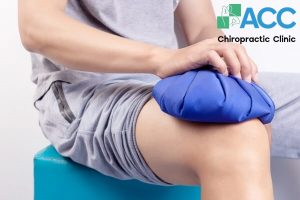
Regarding Cold Compresses, patients should apply this therapy in cases of arthritis, acute neck-shoulder-nape pain, back pain, knee pain, and sprains or dislocations caused by sports injuries, traffic accidents, overexertion, or poor posture. This therapy constricts blood vessels and reduces blood flow to the injured area, helping to slow down the rate of inflammation and the risk of swelling. The cold also acts as a local anesthetic, causing pain signals transmitted to the brain to be inactivated or delayed.
>> More information: How to treat lower back pain without drug
Instructions:
- Method 1: Place a medical cold pack or a cold gel bag on the painful area for 15 – 20 minutes, 3 – 4 times a day.
- Method 2: Wrap ice in a soft towel, then roll it in a circular motion over the swollen area for about 5 minutes, repeating twice a day.
- Method 3: Apply a soft towel that has been chilled to the painful joint and leave it in place until the towel is no longer cold.
Important Notes:
Avoid applying cold for too long or placing ice directly on the skin, as this can lead to damage to the skin, the soft tissues around the joint, or the nerves.
Do not use cold therapy if there is a risk of cramping, open wounds, blistered skin, or for individuals with vascular diseases, sympathetic dysfunction, or pain caused by muscle or vascular spasms.
>> Read more: Hot or cold therapy: Which works best for you?
4. Proper Exercise – Flexible Joints and Significant Pain Reduction
A proper exercise regimen with correct movements combined with deep, rhythmic breathing not only supports joint pain relief but also effectively enhances joint flexibility, strength, and the resilience of the muscles and ligaments in the back area.
Depending on the severity of the injury, you should choose a suitable form of exercise:
- Walking: A simple form of exercise that can help prevent joint degeneration. However, during walking, key joints in the hips, knees, and ankles often bear weight and may hurt; therefore, it is not suitable for individuals with severe osteoarthritis.
- Yoga: Practicing yoga not only makes the musculoskeletal system more fluid and flexible but can also help recover degenerated joint cartilage. However, patients should have an instructor guide them through appropriate poses to avoid conditions like spinal ligament strain, herniated discs, or scoliosis caused by incorrect technique or overexertion.
- Cycling: This stimulates the major muscle groups in the legs, allowing for maximum muscle engagement with minimal weight-bearing load on the joints.
- Tai Chi: This is a full-body stationary exercise involving movements such as thigh pressing, hip stretching, and waist bending. Each movement helps improve blood circulation, relaxes the mind, and maintains joint flexibility. However, patients should take breaks between movements because Tai Chi requires significant knee and hip flexion, which can put stress on the knee joints.
5. Combined Chiropractic and Physical Therapy to Heal Pain
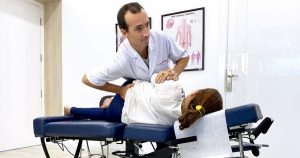
Chiropractic care is a spinal adjustment method that works by correcting misalignments in the musculoskeletal structure, returning them to their original positions. This stimulates the body’s natural healing ability, helping pain subside quickly and cease completely without the need for medication or surgery.
Physical Therapy is a comprehensive rehabilitation method classified into two types: Active Physical Therapy (including physical movement exercises) and Passive Physical Therapy (therapy using modern equipment).
To achieve superior effectiveness in treating joint pain, specialists encourage patients to combine both aforementioned methods. While chiropractic adjustments target the root cause of the condition, Physical Therapy helps accelerate recovery and improves mobility faster.
Currently, this combined treatment protocol has been successfully implemented for many years at ACC Clinic, a pioneer in applying Chiropractic and Physical Therapy in Vietnam. With a team of highly experienced doctors who design personalized treatment plans for each patient, supported by advanced technology such as Shockwave therapy, Class IV Laser therapy, and the ATM2 Active Therapeutic Movement system, pain is treated at its source, preventing long-term recurrence.
These are the drug-free joint pain relief methods that Dr. Wade and ACC Clinic wish to share with you. Depending on the underlying cause and the severity of the condition, patients can apply the most suitable treatments for their specific needs. Ideally, everyone should take proactive steps to protect their joints from a young age by exercising regularly, maintaining proper posture in daily activities, avoiding overexertion, and scheduling periodic musculoskeletal screenings for early detection of potential pathologies.
>> Read more: Tips to prevent back pain while working from home