





Contents
- 1. What is Knee Effusion
- 2. How to Identify the Symptoms of Knee Effusion?
- 3. What are the Causes of Knee Effusion?
- 4. Can Knee Effusion Heal on Its Own? When Should You See a Doctor?
- 5. Is Knee Effusion Dangerous? Complications of Fluid Accumulation in the Knee
- 6. Diagnostic Methods for Knee Effusion
- 7. What to do when there is fluid buildup in the knee joint? How to treat knee joint effusion at home.
- 8. Common Treatment Methods for Knee Effusion Today
- 9. How to Prevent Knee Effusion?
- 10. Frequently Asked Questions (FAQs) About Knee Effusion
- 10.1. How long does it take for a knee effusion to heal?
- 10.2. Should you massage a knee with effusion?
- 10.3. Where is the best place to get a knee effusion exam?
- 10.4. What should you eat when you have knee effusion?
- 10.5. Does knee effusion cause pain?
- 10.6. Should you walk when you have fluid in the knee joint?
- 10.7. Should you massage a knee with effusion?
- 10.8. How can you prevent knee effusion from recurring?
Knee effusion is a condition that commonly occurs after falls or traumatic injuries from accidents. A frequent concern for patients is: “Is knee effusion dangerous?” If not treated promptly, this condition can lead to severe complications, such as muscle atrophy or joint stiffness (ankylosis).
To prevent these risks, it is essential to understand the early warning signs and the appropriate treatment methods, which will be discussed in the following article.
1. What is Knee Effusion
Knee effusion (also known as fluid on the knee or knee joint swelling) is a type of injury within the knee joint where an abnormal increase in synovial fluid causes the surrounding area to appear red, swollen, and edematous.
The knee joint is responsible for flexible movement and maintaining the body’s balance. Within the joint capsule, synovial fluid acts as a lubricant to reduce friction and nourish the joint cartilage. When the knee joint encounters abnormalities due to injury, infection, or falls, the volume of fluid increases excessively, leading to fluid accumulation within the joint spaces.
2. How to Identify the Symptoms of Knee Effusion?
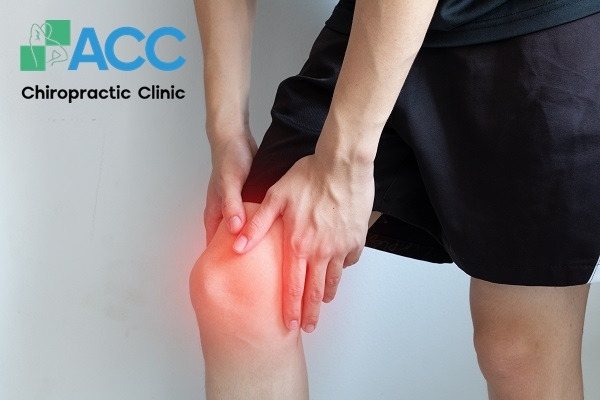
Knee swelling accompanied by persistent pain is the primary symptom of knee effusion. Additionally, patients will often notice that the affected knee appears larger than the other due to the thickening of the joint capsule, which can be identified by comparing the bony landmarks of both knees.
Other common signs of knee effusion include:
- A feeling of heaviness within the joint.
- Swelling and redness around the kneecap (patella).
- Bruising on the front, sides, or back of the knee.
- Pain while walking, difficulty straightening or bending the knee, and restricted joint mobility.
- Pain may subside quickly or, in some cases, persist for hours, days, or even longer.
- Muscle weakness in the surrounding area, causing the knee joint to become increasingly unstable.
3. What are the Causes of Knee Effusion?
The causes of fluid accumulation in the knee are diverse, ranging from injuries and joint pathologies to infections and other risk factors. Details are provided below:
Traumatic Injuries:
Injuries from overexertion in sports, improper posture, vehicle collisions, falls from stairs, or workplace accidents can damage the joint. Common injuries include:
- Damaged joint cartilage.
- Sprained or torn ACL (Anterior Cruciate Ligament) and PCL (Posterior
- Cruciate Ligament).
- Meniscus tears.
- Bone fractures.
Joint Pathologies
Several chronic conditions can lead to knee effusion as a secondary complication:
- Osteoarthritis (joint degeneration).
- Joint infections.
- Gout and Rheumatoid Arthritis.
- Bursitis (inflammation of the bursa) or synovial cysts.
- Blood clotting disorders.
Infections
Infections caused by tuberculosis bacteria, Mycoplasma, viruses, or fungi can trigger fluid buildup.
Risk Factors
- Age: Middle-aged individuals and those over 50 are at higher risk for musculoskeletal issues, including knee effusion.
- Sports Activities: Athletes or those playing high-intensity sports like football or basketball face a greater risk of knee injury.
- Overweight and Obesity: Excess body weight puts constant pressure on the knee joints, eventually damaging joint components and leading to effusion.
4. Can Knee Effusion Heal on Its Own? When Should You See a Doctor?
Knee effusion cannot heal on its own. Depending on the severity of the condition, a doctor will advise the most appropriate treatment for the fluid accumulation inside the joint. Patients must seek medical examination for knee effusion immediately if signs of infection appear or if a joint injury occurs with the following symptoms:
- Fever.
- Severe swelling, redness, and a burning sensation in the joint.
- Loss of sensation (numbness) in the joint area.
- Intense pain.
- Inability to bear weight on the affected leg.
5. Is Knee Effusion Dangerous? Complications of Fluid Accumulation in the Knee
While knee effusion is not life-threatening, failing to detect and treat it promptly can lead to severe and irreversible complications:
- Restricted joint mobility: Difficulty moving or performing daily activities.
- Joint stiffness and ankylosis: The joint becomes rigid or permanently fused.
- Joint destruction: Repeated joint aspirations (draining fluid) without proper medical care can lead to infections that destroy the joint structure.
- Muscle atrophy and paralysis: Long-term lack of movement leads to muscle wasting and, in the worst cases, permanent disability.
Therefore, if you notice any abnormal signs related to a knee injury, you should visit a reputable musculoskeletal specialist clinic for a proper diagnosis and timely treatment.
6. Diagnostic Methods for Knee Effusion
To determine the root cause of knee fluid accumulation, in addition to physical symptoms, doctors rely on blood tests, diagnostic imaging (X-rays, MRI), and joint aspiration. Detailed diagnostic methods include:
- Blood Tests: Used to identify inflammation, infection, or underlying conditions like rheumatoid arthritis.
- X-rays: Effective in detecting bone-related issues such as fractures, bone tumors, knee dislocations, or knee osteoarthritis.
- MRI (Magnetic Resonance Imaging): Highly effective for detecting abnormalities in both bones and soft tissues, including tendons, ligaments, the meniscus, and joint cartilage.
- Joint Aspiration (Arthrocentesis): A small needle is inserted into the joint space to withdraw fluid. This helps determine the nature of the fluid, checking for the presence of blood (related to trauma or hemophilia) or crystals that cause gout or pseudogout.
7. What to do when there is fluid buildup in the knee joint? How to treat knee joint effusion at home.
When experiencing knee effusion, you should focus on rest, elevating the leg, and applying cold compresses to reduce swelling, combined with gentle exercises. Specifically:
- Rest and Restrict Movement: Limit or stop strenuous activities. Continued walking or standing puts pressure on the knee joint, worsening the effusion and increasing swelling and edema.
- Elevate the Leg: Keep your leg elevated above heart level to facilitate better blood circulation, which helps reduce symptoms like swelling and pain.
- Cold Compresses: To reduce swelling, muscle tension, and bruising, patients should apply ice for 15-20 minutes.
- Important: Always wrap the ice in a damp towel or plastic bag; never apply ice directly to the skin to avoid ice burns.
- Gentle Leg Exercises: Perform exercises to strengthen the muscles surrounding the knee. Try low-impact activities that do not strain the joint, such as swimming or water aerobics. Alternatively, you can perform stretching exercises at home to help restore flexibility to the muscles around the knee joint.
8. Common Treatment Methods for Knee Effusion Today
The treatment approach varies depending on the underlying cause and the severity of the fluid accumulation. Common methods include medication, arthroscopy, and joint aspiration. Detailed information on these methods is provided below:
8.1. Medication
For mild cases of knee effusion, doctors may prescribe several types of medication:
- Pain relievers and anti-inflammatory drugs: To manage pain and reduce edema (swelling), especially following an injury.
- Targeted treatments for the root cause:
- Anti-degenerative drugs: For patients with osteoarthritis.
- Immunosuppressants: For individuals suffering from rheumatoid arthritis.
8.2. Knee Arthroscopy
In addition to diagnosing the extent of the effusion, arthroscopy allows surgeons to perform therapeutic procedures such as:
- Synovectomy: Removing or trimming the inflamed joint lining (joint capsule).
- Meniscus repair: Suturing torn cartilage.
- Ligament reconstruction: Repairing torn ACL/PCL. This minimally invasive method is typically indicated for severe cases or traumatic injuries.
8.3. Joint Aspiration (Arthrocentesis)
This treatment for knee fluid accumulation is typically applied in severe cases. The doctor inserts a specialized needle into the affected joint area to drain the excess fluid. In some instances, this procedure may be combined with an anti-inflammatory injection (corticosteroids).
Knee effusion can be a symptom of various conditions, ranging from injuries to osteoarthritis and infections. To prevent the condition from progressing and affecting your quality of life, receiving the RIGHT TREATMENT and a SCIENTIFIC PROTOCOL is essential.
The Chiropractic Advantage at ACC Clinic
Currently, Chiropractic is the health care choice for millions of patients in the US and Europe to find relief from knee pain caused by musculoskeletal issues like knee effusion.
Under this method, Chiropractors perform gentle manual adjustments to correct misalignments and release nerve compression. This helps reduce knee pain symptoms and stimulates the natural healing capacity of tissues and bones without the use of medication or surgery.
ACC Clinic is a pioneer in applying Chiropractic care combined with modern Physical Therapy and Rehabilitation. Our treatment protocols for knee effusion and general knee pain focus on addressing the root cause, providing optimal results through non-invasive methods:
When choosing ACC for knee joint treatment, patients can have total peace of mind because:
- A Member of FV Hospital’s Comprehensive Healthcare System: ACC is a proud member of FV Hospital’s integrated healthcare network, offering patients flexible and comprehensive treatment options. Patients can access conservative “non-surgical, drug-free” treatments for musculoskeletal issues combined with rehabilitation. This perfectly complements the medical and surgical services available at FV, ensuring a holistic healthcare journey according to international standards.
- Professional Chiropractic Team: ACC boasts a team of 100% expatriate Chiropractors with over 20 years of experience in direct clinical examination and developing customized protocols. Their manual adjustments are performed gently and precisely, focusing on the site of injury to correct misalignments, preserve nerve function, and effectively relieve pain.
- Personalized Protocols and Specialized Exercises: Every patient at ACC receives a personalized treatment plan designed by our doctors, including specialized exercises tailored to their specific type of injury. This regimen helps reduce pain and inflammation while accelerating long-term recovery.
- State-of-the-Art Equipment: ACC invests in modern Physical Therapy and Rehabilitation systems imported from the USA and Europe. These include Shockwave therapy, DTS spinal decompression, and Class IV Laser therapy. These advanced technologies ensure treatments are safe, precise, and highly effective.
- Transparent Costs: All treatment costs at ACC are consulted transparently and clearly before any procedure begins. This allows patients to have total peace of mind and focus entirely on their recovery process.
9. How to Prevent Knee Effusion?
To minimize the risk of fluid accumulation in the knee, ACC doctors recommend proactively protecting your joints from a young age. You can prevent factors that trigger knee effusion by maintaining a healthy weight, ensuring proper nutrition, avoiding overexertion, and preventing sudden movements.
Explore detailed advice from ACC specialists below:
- Maintain a Healthy Weight and Balanced Nutrition: Supplement your diet with foods rich in Calcium, Potassium, Magnesium, and Vitamins B, C, and E.
- Dietary Restrictions: Avoid foods that may exacerbate joint inflammation and effusion, such as spicy foods, greasy or deep-fried dishes, high-sodium foods, and animal organs.
- Avoid Overexertion: Do not push your body beyond its limits; remember to stretch and move your legs regularly throughout the day.
- Warm-up and Protection: Always warm up thoroughly before exercising and wear knee pads when participating in contact sports.
- Choose Low-Impact Exercises: Opt for gentle activities such as walking, swimming, or cycling, which promote joint health without excessive strain.
- Be Mindful of Movement: Avoid sudden shifts in direction and try not to run on uneven or rugged surfaces.
- Correct Posture: Maintain proper posture while walking and sitting (keep your back straight) to avoid putting unnecessary pressure on the knee joints.
- Early Intervention: Consult a knee specialist immediately at the first sign of pain or stiffness. Early treatment of underlying arthritis is key to preventing the progression into inflammatory knee effusion.
>> Read more: What to eat, drink, and avoid to increase joint fluid for dry knee joints?
10. Frequently Asked Questions (FAQs) About Knee Effusion
Below are answers to some of the most common concerns regarding fluid accumulation in the knee joint:
10.1. How long does it take for a knee effusion to heal?
The recovery time varies for each patient depending on the underlying cause, the severity of the condition, the chosen treatment method, and the patient’s overall physical health. For the most accurate assessment, you should consult with your doctor for a detailed recovery timeline tailored to your specific case.
10.2. Should you massage a knee with effusion?
No, patients should not massage a knee affected by effusion. When the joint is filled with fluid, it is typically in an inflammatory state. Massaging can increase the local temperature and blood flow to the area, which may exacerbate inflammation and lead to further fluid accumulation.
>> Related post: Hot or cold therapy: Which works best for you?
10.3. Where is the best place to get a knee effusion exam?
To accurately determine the root cause of knee fluid accumulation, patients should visit reputable musculoskeletal screening facilities. At these centers, specialists will perform necessary tests and diagnostic imaging to identify the exact cause and provide an effective treatment plan.
10.4. What should you eat when you have knee effusion?
Dietary choices play a crucial role in managing inflammation. Patients should prioritize:
- Fatty fish: Rich in Omega-3 to soothe joint pain.
- Berries: High in antioxidants to combat inflammatory agents.
- Vitamin D-rich foods: To help reduce swelling and support bone health.
- Avoid: Glutinous rice, spicy foods, processed foods, and high-sodium items that can trigger further inflammation.
10.5. Does knee effusion cause pain?
Yes, pain is a common symptom. The intensity can range from a dull ache to sharp, severe pain, depending on the underlying cause and the amount of fluid buildup. It is best to consult with a specialist to find an appropriate pain management plan.
10.6. Should you walk when you have fluid in the knee joint?
When suffering from knee effusion, it is recommended to pause walking for exercise or use supportive aids like canes or crutches if movement is necessary. Overexertion is a primary cause of fluid accumulation, and continuing to walk can put excessive pressure on the joint, worsening the condition.
10.7. Should you massage a knee with effusion?
You should avoid massaging the affected knee. Massaging, especially with medicated oils or heat rubs, can increase local inflammation and cause the injury to progress more severely. Always seek professional medical guidance for safe treatment.
10.8. How can you prevent knee effusion from recurring?
To limit the risk of recurrence, patients should:
- Maintain a diet high in Omega-3, fiber, and Vitamins A, C, and K.
- Minimize the intake of sugar, salt, and trans/saturated fats.
- Engage in daily physical therapy exercises as prescribed.
- Maintain a healthy weight to reduce the mechanical load on the knees.
Knee effusion is a common consequence of improper movement, injury, or underlying pathologies. If you are struggling with persistent knee pain or swelling, do not delay seeking professional help.
Contact ACC Clinic today to schedule an examination with our specialists and receive a personalized, non-surgical treatment protocol tailored to your recovery.
>> Related post: