





Contents
High-impact collisions, sudden changes in direction while running, or overtraining are common factors that can lead to knee pain during football. To prevent this from affecting your work and daily life, you should seek treatment for this condition from the very beginning.
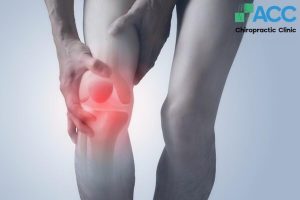
The human knee joint consists of tendons, ligaments, and three bones: the tibia (shin bone), patella (kneecap), and femur (thigh bone). According to many experts, this is one of the most vulnerable parts of the body, with typical symptoms including swelling, uncomfortable aching, or difficulty fully straightening the leg.
Knee pain often occurs after an accident, but sometimes it can also develop while you are participating in physical activities, such as playing football.
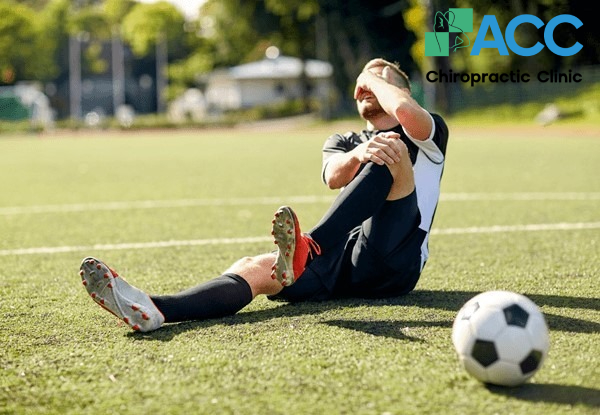
Why does knee pain occur during football? What should you do if this condition arises? And more importantly, is it preventable? Let the following article help you find the answers to these questions.
1. What Causes Knee Pain in Football Players?
Football is a high-contact sport, making injuries a frequent occurrence. Several of these injuries can lead to persistent knee pain. Specifically, the three most common issues causing knee pain are:
- Anterior Cruciate Ligament (ACL) Tear: This primarily occurs when a player makes a sudden change in direction while moving at high speeds.
- Knee Overuse: Pushing the body to overtrain can cause the cartilage on the underside of the kneecap to lose its necessary firmness, leading to Patellofemoral Pain Syndrome (Chondromalacia Patellae). Pain in the lower part of the knee is a hallmark symptom of this condition.
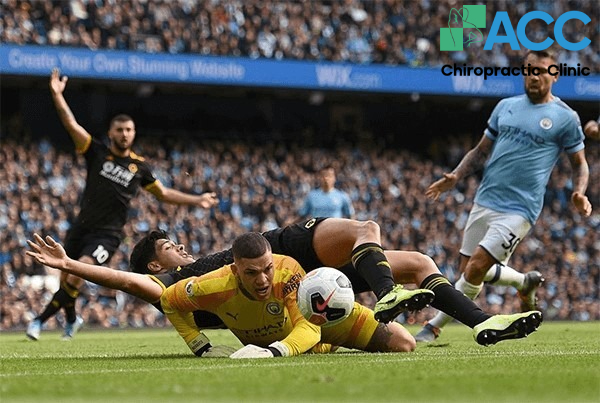
- Knee Dislocation: This arises when the knee experiences a high-impact collision or a severe fall.
2. Is it Possible to Prevent Knee Pain While Playing Football?
According to many experts, the best way to treat football-related knee pain is to prevent it from occurring in the first place. Since the primary causes of pain stem from incidents during practice and matches, you can take preventive measures by:
- Regularly strengthening leg muscles to support smooth knee joint function.
- Choosing high-quality, specialized sports shoes.
- Performing knee-strengthening exercises, especially if you have a history of chondromalacia patellae (runner’s knee).
- Using knee pads or protective gear while playing football.
- Minimizing high-impact collisions to the knee.
3. How Should Knee Pain from Football be Treated?
In some cases, knee joint pain can lead to serious complications if not treated promptly. To quickly alleviate the pain, many people turn to common measures such as:
- The RICE Method: This includes the steps of Rest, Ice, Compression, and Elevation.
- Medication: Taking painkillers (such as paracetamol, aspirin, ibuprofen, etc.).
- Massage and Physical Therapy: To reduce muscle tension and restore function.
- Surgery: Primarily reserved for severe cases, such as Anterior Cruciate Ligament (ACL) injuries.
However, it is important to note that the aforementioned solutions are no longer considered ideal for treating football-related knee pain. In reality, RICE is merely an initial first-aid protocol that supports recovery rather than addressing the root cause of the problem.
Meanwhile, painkillers, massage, and traditional physical therapy often only provide temporary symptomatic relief without completely eliminating the issue. Furthermore, patients must be extremely cautious regarding dosage and duration of medication. Arbitrarily increasing doses or prolonged use can lead to impaired liver function, gastric ulcers, and even kidney damage.
Conversely, surgery can definitively end knee pain, especially when the cause is an ACL injury. However, ACL surgery is not strictly necessary for every case. This technique carries significant risks, such as nerve damage leading to lower limb numbness, joint stiffness, or infection.
Consequently, most doctors only recommend surgery when ligaments are severely damaged or when patients do not respond well to previous conservative treatments.
So, what is the safest and most effective way to treat knee pain from football?
Today, many musculoskeletal and sports injury experts recommend non-drug and non-surgical treatment directions. In Vietnam, ACC Clinic is a leading specialized unit in this field.
With over 15 years of operation, ACC is proud to have treated the root causes of knee pain for tens of thousands of athletes and players. Our 100% expatriate medical team, highly trained, experienced, and dedicated alongside state-of-the-art equipment, has earned high praise from those suffering from musculoskeletal and knee-joint issues.
To enhance treatment efficacy, ACC doctors always conduct a thorough health assessment before starting. Based on initial results, experts can determine the severity of the knee pain and the patient’s specific physical condition. From there, a personalized treatment protocol is developed for each individual case.
Furthermore, depending on the specific cause of the knee pain, ACC doctors will apply different approaches, such as:
Knee Pain due to Dislocation or Overuse
Generally, both joint overuse and dislocation involve misalignments in the bone and joint structures. Therefore, the optimal solution for these cases is Chiropractic care.
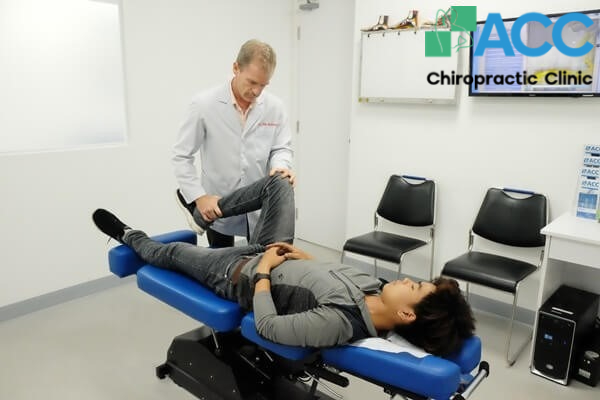
The core mechanism of Chiropractic care involves using manual techniques with precise force to realign misaligned bone and joint structures to their original positions. This process simultaneously stimulates the body’s natural self-healing mechanism.
Consequently, pain gradually subsides over time without the need for painkillers or surgical intervention. This is precisely why experts highly regard the safety of Chiropractic care.
To achieve optimal results, this therapy must be performed by specialists who have undergone formal, intensive training in Chiropractic. Since there is currently no formal Chiropractic degree program in Vietnam, patients should carefully choose reputable clinics to avoid confusing them with general physical therapy centers or traditional medicine clinics that misclaim to provide “Chiropractic” services, which could lead to ineffective results or further injury.
In Vietnam, ACC Clinic is a pioneer in this field with over 15 years of dedicated operation.
Knee Pain from Ligament Tears
For cases involving ligament tears, ACC doctors recommend a treatment regimen using Class IV High-Intensity Laser Therapy and Shockwave Therapy. Both technologies can penetrate deep into the injured soft tissues, accelerating the body’s healing process by activating cellular regeneration cycles.
Furthermore, throughout the treatment process, ACC specialists guide patients through simple physical therapy exercises combined with modern, specialized equipment to support knee rehabilitation in the shortest possible time. This helps patients quickly regain their quality of life and return to the activities they love.
In conclusion, knee pain while playing football is a common sign of injury among regular players. Identifying the exact cause of the pain is crucial in helping patients quickly find the safest and most effective treatment path.