









Contents
Dangerous back pain locations are areas where pain may signal serious musculoskeletal or spinal issues. While back pain is common, often occurring after heavy lifting, injuries, or due to underlying conditions, it is crucial to know when it becomes a warning sign. So, where are these locations, and what can be done to treat them effectively? Let’s find out in the following article.
1. Back Pain and Aches – A Warning Sign You Shouldn’t Ignore
Back pain is no longer just an issue for the elderly; it has become increasingly common among younger people as well. Initially, the pain may be dull or sharp, making movement, especially bending over, difficult and limiting daily activities. Back pain at night can also disrupt sleep, leading to physical exhaustion, a lack of concentration, and, in the long run, even an increased risk of depression.
If acute back pain is not treated promptly, it can progress into a chronic condition, accompanied by dangerous complications such as numbness, loss of sensation, reduced mobility, or nerve compression that may lead to urinary dysfunction. When this occurs, the time and cost of treatment increase significantly, placing a heavy financial burden on both the patient and their family.

2. Dangerous Back Pain Locations You Should Know
Dangerous back pain locations include: Upper and middle back pain, which may be related to herniated discs, bone spurs, or gallstones; Lower back pain, warning of spinal stenosis or kidney stones; Right-sided back pain, often linked to herniated discs, spinal degeneration, spinal tumors, or appendicitis; and Left-sided back pain, which may stem from spinal injuries, kidney, or pancreas issues.
2.1. Lower Back Pain (Lumbar Pain)
Lower back pain is one of the most critical areas of concern. The pain can appear suddenly or gradually, ranging from a dull ache to intense, sharp sensations. Furthermore, the pain may radiate down to the buttocks or the back of the legs (Sciatica).
When experiencing lower back pain, patients may also notice:
- Reduced range of motion: Difficulty straightening the back, bending over, or twisting from side to side. Standing up from a seated position requires a slow, deliberate effort.
- Muscle spasms: Causing severe pain that makes standing upright or walking difficult, if not impossible.
- Aggravating factors: Pain worsens when bending down, overexerting, or standing/sitting for long periods, but typically eases when lying down.
Common causes of lower back pain include muscle strains or sprains (from heavy lifting, sports injuries, etc.) and fractures due to accidents. Additionally, it can stem from serious conditions such as lumbar herniated discs, spinal stenosis, spondylolisthesis (slipped vertebrae), ankylosing spondylitis, spinal tumors, kidney stones, or abdominal aortic aneurysms.
2.2. Upper and Middle Back Pain
The upper and middle back region extends from the base of the neck to the top of the lumbar spine, comprising 12 thoracic vertebrae (T1 to T12). Compared to the lower back, the upper back bears less of the body’s weight and is generally less prone to issues; however, pain can still occur in many cases.
Common symptoms of upper and middle back pain include:
- Localized aching: Pain in the upper and middle back that may radiate to surrounding areas such as the neck, shoulders, rib cage, or arms.
- Stiffness: Difficulty moving the upper and middle back. Patients often find it hard to bend over, lean side-to-side, rotate their torso, or raise and lower their arms.
- Paresthesia: Sensations of numbness or a burning, tingling “pins and needles” feeling accompanying the pain.
Causes: Upper and middle back pain can be triggered by nerve compression, herniated discs, osteoarthritis, bone spurs, vertebral fractures, or myofascial pain syndrome. Additionally, gallstones can cause referred pain between the shoulder blades or around the right shoulder.

2.3. Right-Sided Back Pain
One of the most concerning locations for back pain is the right side, with symptoms typically appearing in the lower back near the waist, just above the buttocks, or around the right shoulder blade.
The symptoms of right-sided back pain are quite distinct and easy to recognize:
- Localized pain: A dull ache, as if being pressed by a heavy object, or sudden, sharp, intense pain on the right side of the back.
- Mobility issues: Difficulty twisting the torso or bending over.
- Radiating pain: The discomfort may spread to surrounding areas.
Right-sided back pain can be a warning sign of various health issues. Beyond injuries (strains, sprains, etc.), it can be caused by spinal stenosis, herniated discs, spinal degeneration, spinal tumors, or Cauda Equina Syndrome. Additionally, it may be linked to internal issues such as appendicitis, kidney stones, or ulcerative colitis.
2.4. Left-Sided Back Pain
Pain occurring on the left side of the back is another dangerous location that requires close attention. When suffering from left-sided back pain, patients may experience sharp, stabbing pains or a persistent dull ache.
Other accompanying symptoms may include:
- Muscle tightness: A sensation of tension or stiffness throughout the entire back or specifically in the left lumbar region.
- Impaired mobility: Difficulty moving the back freely.
- Neurological symptoms: Weakness or numbness in the arms or legs.
- Bladder issues: Numbness, tingling, or loss of bladder control (primarily due to pelvic or spinal pressure affecting the bladder).
Left-sided back pain can stem from herniated discs, fibromyalgia, spinal injuries, spinal tumors, arthritis, or soft tissue damage such as muscle strains and sprains. Furthermore, it may be caused by kidney stones, kidney infections, or pancreatitis.

3. What to Do When Back Pain Strikes?
After identifying dangerous back pain locations, many people wonder how to find relief. When back pain occurs suddenly, you should monitor the pain intensity and the frequency of flare-ups. This is crucial information to discuss with your doctor during an examination.
In mild cases, you can rest and use hot or cold compresses to support pain relief at home. Alternatively, you may use topical ointments or pain-relieving patches as directed by a pharmacist. However, if the pain does not subside or becomes increasingly severe, you should seek medical attention as soon as possible.
3.1. Home Care and Self-Treatment Methods
When experiencing back pain, you can apply the following home care measures to alleviate pain and improve mobility:
- Rest: Limit heavy activities and maintain a comfortable posture to reduce pressure on the spine. This allows the muscles and tissues around the back time to recover and reduces pain triggers.
- Hot or Cold Compresses: Cold therapy helps reduce inflammation and swelling, while heat therapy relaxes muscles and increases blood circulation. Apply a cold compress for 15-20 minutes at a time after the onset of pain or injury; subsequently, you can switch to a warm compress for the same duration. Note: Avoid direct contact with the skin to prevent burns or irritation.
- Massage: Gently massaging the painful area can relieve muscle tension and relax surrounding tissues. However, stop immediately if the massage causes further pain or discomfort.
- Over-the-Counter (OTC) Medications: You may use pain relievers such as Paracetamol or NSAIDs (Non-Steroidal Anti-Inflammatory Drugs) as directed by a healthcare professional. Avoid overuse and monitor for any potential side effects.

3.2. Prescription Pain Relievers
For moderate to severe back pain, doctors may prescribe stronger non-steroidal anti-inflammatory drugs (NSAIDs), muscle relaxants, or nerve pain medications. It is essential to strictly follow the prescribed dosage to minimize potential side effects.
3.3. Injections
In certain cases, a doctor may recommend corticosteroid injections or local anesthetics administered directly into the inflamed or painful area of the spine. This method provides rapid relief from inflammation and intense pain, especially pain that radiates down the legs. However, injections carry risks of serious side effects such as infection, muscle weakness, or tissue atrophy around the injection site.
3.4. Surgery
Surgery is considered a last resort, reserved for cases where patients no longer respond to conservative treatments. Doctors weigh this option very carefully due to potential risks, including infection, nerve damage, fibrosis, muscle weakness, hemorrhage, or even paralysis.
3.5. Physical Therapy
Physical therapy helps strengthen the back muscles, enhance spinal flexibility, and reduce pressure on the intervertebral discs. Treatment plans are personalized based on the patient’s condition, combining exercises such as stretching and massage with advanced methods like electrotherapy or laser therapy to alleviate pain and prevent recurrence.
3.6. Chiropractic Care
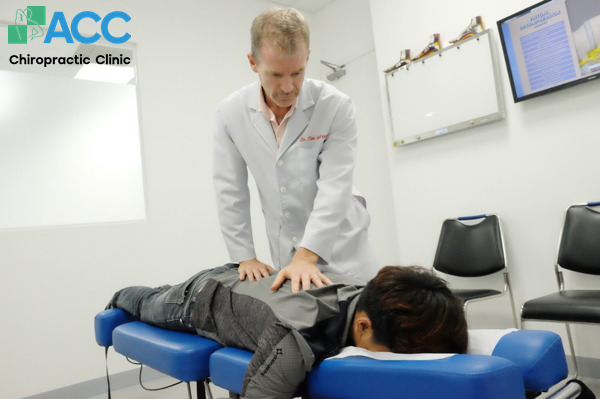
Chiropractic care focuses on the manual adjustment of the spine and related joints to restore musculoskeletal balance, relieve nerve pressure, and improve mobility. When performed by qualified specialists at reputable clinics, this method promotes natural pain relief at various back locations without the need for medication or surgery.
4. When to See a Doctor Immediately?
If you experience pain in any of the dangerous back locations accompanied by high fever, severe chills at night, or prolonged insomnia, you should consult a doctor as soon as possible. Seeking immediate medical attention is necessary if:
- Severe pain is accompanied by fever and chills.
- Pain intensifies at night, causing sleep loss and spreading to adjacent areas.
- Persistent pain is associated with numbness or weakness/paralysis in the legs.
- Urinary issues occur, such as urinary retention, incontinence, cloudy or bloody urine, or pain during urination.
However, patients must understand that while back pain is often persistent, it is not as dangerous as IMPROPER TREATMENT. Many people self-diagnose, apply word-of-mouth remedies, or seek help from unqualified facilities. This often results in a misdiagnosis, making the pain not only linger but also become more complex and harder to recover from.
Therefore, when seeking an examination for back pain, you should prioritize specialized musculoskeletal facilities that meet the following criteria:
- Experienced Specialist Team: Doctors who stay updated with the latest medical knowledge ensure an accurate diagnosis and the right treatment plan from the start.
- Comprehensive Examination Process: A thorough evaluation that includes assessing motor functions and analyzing the root cause of the pain to save time and enhance treatment effectiveness.
- Science-Based, Personalized Protocols: Treatment plans should be evidence-based and tailored to each patient, combining various methods to achieve rapid pain relief, functional recovery, and recurrence prevention.
- Multimodal Integration: Combining Chiropractic care, Physical therapy, and modern Rehabilitation to soothe pain and quickly restore joint flexibility.
- Standardized Guidance: Professional instructions on long-term rehabilitation and prevention help maintain spinal health, improve mobility, and enhance quality of life.
The above are the dangerous back pain locations you should keep in mind. Don’t let persistent back pain disrupt your life. Seek the right treatment from the start to heal the pain and reduce the risk of recurrence.
5. Frequently Asked Questions (FAQs)
After identifying these critical back pain areas, many people have the following concerns:
5.1. How is back pain classified?
Back pain can vary in origin and severity, generally categorized into three stages:
- Acute Back Pain: Occurs suddenly and typically lasts from a few days to a few weeks.
- Subacute Back Pain: Can appear suddenly or develop over time, lasting between 4 and 12 weeks.
- Chronic Back Pain: May develop rapidly or slowly, lasts for more than 12 weeks, and occurs daily.
5.2. What conditions do different back pain locations indicate?
Whether your pain is acute or subacute, it should never be ignored. Beyond simple muscle strains or sprains, pain in different areas of the back can signal musculoskeletal disorders (herniated discs, spinal degeneration, spinal stenosis, spinal tumors, etc.) or issues with the kidneys or gallbladder. Failing to treat these promptly can lead to serious health complications.
5.3. What does pain below the right shoulder blade signify?
Pain below the right shoulder blade can stem from various causes, ranging from common musculoskeletal issues like muscle strain, arthritis, spinal degeneration, and herniated discs, to potentially dangerous internal conditions involving the liver, gallbladder, or lungs. It is best to consult a doctor at a reputable facility for an accurate diagnosis.
5.4. What kind of back pain indicates kidney failure?
Back pain related to kidney failure is often described as a dull, deep ache located under the ribs, appearing on one or both sides of the spine near the lumbar region. Unlike typical muscle pain, kidney-related pain is persistent and rarely changes with posture or movement. It may be accompanied by systemic symptoms such as fatigue, edema (swelling), decreased urine output, painful urination, or fever.
>> Read more: What to eat and drink for healthy bones and joints?