







Contents
- 1. What is a Cervical Disc Herniation?
- 2. Common Causes of Cervical Disc Herniation
- 3. Signs & Symptoms of Cervical Disc Herniation
- 4. Is Cervical Disc Herniation Dangerous?
- 5. How is Cervical Disc Herniation Diagnosed?
- 6. When Should You Contact a Doctor?
- 7. Is Cervical Disc Herniation Curable? Treatment Methods
- 8. Effective Prevention Strategies for Cervical Disc Herniation
- 9. Frequently Asked Questions (FAQs)
Cervical disc herniation (herniated discs in the cervical spine) has become increasingly prevalent. Despite its commonality, a lack of public understanding often leads to delayed treatment, significantly raising the risk of severe complications, including paralysis.
1. What is a Cervical Disc Herniation?
A cervical disc herniation occurs when the soft, gel-like center of a spinal disc (nucleus pulposus) pushes out through a tear in its tough outer ring (annulus fibrosus). This bulging material encroaches on the spinal canal, compressing the sensitive nerve roots or the spinal cord itself.
Understanding the Anatomy: The cervical spine acts as a critical “bridge” connecting the skull to the thoracic spine. It consists of seven vertebrae (numbered C1 to C7), which are separated by intervertebral discs that act as shock absorbers and allow for neck mobility.
Common Locations: While a herniation can occur at any level of the cervical spine, it most frequently affects the C5-C6 and C6-C7 segments. These lower sections bear the most weight and support the widest range of motion, making them more susceptible to wear and injury.

2. Common Causes of Cervical Disc Herniation
Cervical disc herniation is rarely caused by a single event; it is usually the result of cumulative stress and biological factors. The most prevalent causes include:
2.1. Aging & Degeneration
The natural aging process is the primary driver of disc herniation.
- Dehydration: In youth, discs are hydrated and pliable. As we age, the water content decreases (desiccation), causing the discs to shrink and lose flexibility.
- Brittleness: A dehydrated disc becomes brittle. Simple everyday movements-like twisting or looking up-can cause the weakened outer layer to tear, leading to a herniation.
2.2. Genetic Predisposition
Research indicates a hereditary component to disc health. If your parents or siblings have suffered from degenerative disc disease or herniations, you may have a genetic predisposition to weaker connective tissue or premature disc aging, increasing your own risk.
2.3. Lifestyle Factors
Systemic health plays a crucial role in the durability of your spine:
- Smoking: Nicotine constricts blood vessels, reducing blood flow to the spinal discs. Since discs already have a poor blood supply, this accelerates degeneration and slows healing.
- Sedentary Lifestyle: Lack of exercise leads to weak neck and core muscles, which forces the spine to bear more burden than it should.
- Nutrition: A diet lacking in essential nutrients can compromise the structural integrity of the disc cartilage.
2.4. Poor Posture & Occupational Hazards
- “Tech Neck”: Prolonged periods of looking down at smartphones or laptops can increase the effective weight of the head on the neck by up to 60 lbs. This chronic pressure strains the discs.
- Physical Strain: Occupations that involve repetitive neck movements, heavy lifting, or overhead work place excessive load on the cervical spine, accelerating wear and tear.

3. Signs & Symptoms of Cervical Disc Herniation
Symptoms of cervical disc herniation vary depending on whether the disc is compressing a nerve root (radiculopathy) or the spinal cord (myelopathy). They typically progress from localized neck pain to radiating symptoms.
3.1. Clinical Symptoms (What the Patient Feels)
Patients typically present with the following sensory and motor impairments:
- Radiating Pain (Radiculopathy): Pain often begins at the cervical spine (C-spine) and radiates down to the shoulder blade (scapula), upper arm, forearm, and into the fingers. In some cases, pain shoots upward to the back of the head (occiput) and eye sockets, causing tension headaches.
- Numbness & Tingling (Paresthesia): Nerve Root Compression: Numbness, tingling, or a “pins and needles” sensation usually travels down the arm to specific fingers (depending on which nerve C5-C8 is compressed).
- Spinal Cord Compression (Myelopathy): A more dangerous condition causing numbness in the torso (“trunk sensation”) or legs, and a loss of coordination.
- Restricted Mobility: Difficulty rotating or tilting the head. Actions like looking over the shoulder, raising arms above the head, or reaching behind the back become painful and stiff.
- Systemic & Severe Signs (Red Flags): In advanced cases involving spinal cord compression or autonomic nerves, patients may experience chest pain, shortness of breath, constipation, or difficulty urinating. These require immediate medical attention.
3.2. Subclinical Signs (Diagnostic Imaging Findings)
These signs are not felt directly but are detected by doctors through MRI or CT scans to confirm the diagnosis:
- Disc Displacement: Visual evidence of the disc bulging anteriorly (front) or posteriorly (back).
- Nucleus Extrusion: The nucleus pulposus is observed outside its normal anatomical position within the annulus fibrosus.
- Structural Degeneration: Changes in the spinal curve (loss of lordosis), formation of osteophytes (bone spurs), and reduced vertebral height.
- Neural Compression: clear visual confirmation of the disc material pressing against nerve roots or the thecal sac (spinal cord).
3.3. Progression of Symptoms (Stages)
Symptoms often worsen over time if left untreated, progressing through distinct stages:
- Stage 1 (Onset): The patient experiences localized neck stiffness and mild pain when tilting or rotating the head. The pain is intermittent-worsening with heavy lifting or poor posture and subsiding with rest.
- Stage 2 (Radicular Phase): Pain becomes sharper and radiates from the nape of the neck to the back of the head, ears, or shoulders. Neck mobility becomes significantly limited; even slight rotation can trigger sharp spasms or “wry neck” (torticollis).
- Stage 3 (Neurological Phase): The condition becomes chronic and severe. Pain radiates deeply into the forehead, occiput, and down the entire arm.
Sensory Loss: Persistent numbness in the arms/hands.
Autonomic/Vestibular Signs: Patients may experience dizziness, vertigo, hiccups, or excessive yawning (due to irritation of the phrenic nerve or vertebrobasilar insufficiency) during activity.
4. Is Cervical Disc Herniation Dangerous?
The short answer is: Yes. Cervical disc herniation is a serious condition that extends beyond simple neck pain. Because the cervical spine houses the spinal cord and major arteries feeding the brain, untreated herniations can lead to severe, sometimes permanent, complications.
If not intervened upon in time, the condition can progress to:
- Cerebral Ischemia: Reduced blood supply to the brain.
- Cervical Spinal Stenosis: Narrowing of the spinal canal.
- Myelopathy: Compression of the spinal cord leading to loss of coordination.
- Paralysis: Permanent loss of motor function in the limbs.
4.1. Cerebral Ischemia (Reduced Blood Flow to the Brain)
One of the distinct dangers of cervical issues is their proximity to the vertebral arteries, which run through the vertebrae up to the brain.
- The Mechanism: A herniated disc (or associated bone spurs) can mechanically compress these arteries or trigger spasms.
- The Result: This obstruction restricts the flow of oxygen-rich blood to the brain (specifically the posterior brain and brainstem).
- Symptoms: Patients often experience “vertebrobasilar insufficiency,” characterized by sudden dizziness, vertigo, visual disturbances, tinnitus (ringing in the ears), and severe headaches.

4.2. Cervical Spinal Stenosis
Cervical disc herniation can narrow the open spaces within your spine, a condition known as Spinal Stenosis.
- The Mechanism: The herniated disc material occupies space within the spinal canal, crowding the spinal cord and nerve roots.
- Symptoms: Patients often experience numbness, heaviness, or weakness in the arms and legs.
- Positional Relief: A key characteristic is that pain often subsides when lying down or resting (decompression), but intensifies when standing upright or walking for extended periods, as gravity increases the load on the narrowed canal.
4.3. Spinal Cord Compression (Cervical Myelopathy)
This is the most severe complication. Unlike a pinched nerve which hurts a specific area, compression of the spinal cord itself affects the body’s central nervous system “highway.”
- The Risk: If left untreated, this can lead to Cervical Myelopathy, causing loss of coordination (clumsiness), difficulty walking, and loss of bladder/bowel control.
- Prognosis: Without timely intervention, this damage can become irreversible.
4.4. Permanent Paralysis
If the compression of the cervical spinal cord is prolonged and severe, the nerve fibers can die.
- Progression: What starts as pain, numbness, or muscle weakness can escalate to complete loss of motor function.
- The Outcome: Once nerve tissue death occurs, paralysis in the arms or legs (quadriplegia or paraplegia) may become permanent, even if surgery is performed later.
5. How is Cervical Disc Herniation Diagnosed?
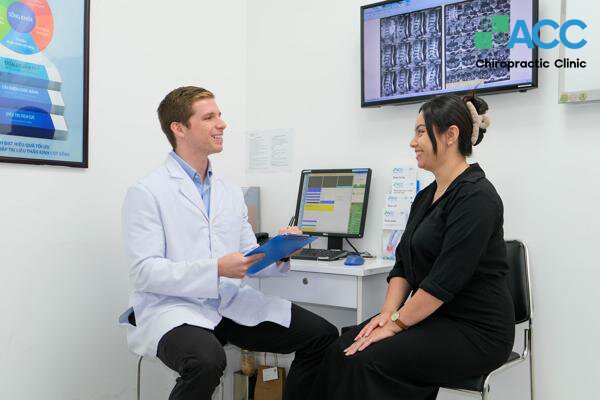
Diagnosis begins with a thorough clinical assessment to correlate your symptoms with physical findings.
5.1. Clinical Examination (History & Physical)
The doctor will start by discussing your medical history and current symptoms. This is followed by a hands-on physical exam:
- Palpation: The doctor will check your neck for muscle spasms, tenderness, and alignment.
- Range of Motion: You will be asked to turn your head and neck in various directions to assess mobility and see which movements trigger pain.
- Provocative Tests: The doctor may perform specific maneuvers (such as the Spurling Test) where they gently press on the top of your head while you tilt it. If this reproduces pain radiating down your arm, it strongly suggests a pinched nerve in the neck.
- Neurological Check: The doctor may test your reflexes, muscle strength in your arms/hands, and checking your legs/gait to rule out spinal cord compression (myelopathy).
5.2. Diagnostic Imaging
To confirm the diagnosis and visualize the extent of the damage, doctors utilize advanced imaging technologies.
- X-ray: This is often the first step. While X-rays cannot show soft tissues like herniated discs, they are crucial for assessing spinal alignment, detecting bone spurs (arthritis), and ruling out fractures or tumors.
- MRI (Magnetic Resonance Imaging): This is the gold standard for diagnosing disc herniation. MRI provides detailed 3D images of soft tissues, allowing doctors to clearly see the herniated disc, the spinal cord, and the exact nerve roots being compressed.
- CT Scan (Computed Tomography): A CT scan captures detailed cross-sectional images of the bony structures. It is often used if an MRI is not possible or to evaluate bone calcification and spinal canal diameter in greater detail.
- Myelography: In specific cases (often where MRI is contraindicated), a contrast dye is injected into the spinal canal before taking X-rays or CT scans. This highlights the spinal cord and nerves to reveal compression sites.
5.3. Nerve Function Tests (Electrodiagnostic Testing)
While MRIs show the structure of the spine, electrodiagnostic tests measure the function of the nerves to determine if they are working correctly.
- Electromyography (EMG): The doctor inserts small needle electrodes into specific muscles. This records the electrical activity to determine if the muscle is responding properly to nerve signals, helping to pinpoint exactly which nerve root is damaged.
- Nerve Conduction Study (NCS): Often performed alongside EMG, this test places patches on the skin to send mild electrical pulses through the nerves. It measures the speed and strength of the signal, helping doctors distinguish between a neck issue (radiculopathy) and a peripheral nerve issue (like carpal tunnel syndrome).
6. When Should You Contact a Doctor?
You should not wait until the pain becomes unbearable. Seek professional medical advice if you experience any of the following:
Seek Urgent Medical Attention (Emergency) if:
- Loss of Bladder or Bowel Control: This is a sign of Cauda Equina Syndrome or severe spinal cord compression and requires immediate emergency intervention to prevent permanent paralysis.
- Sudden Weakness or Instability: If your legs suddenly give out or you cannot stand/walk.
Schedule a Specialist Appointment if:
- Persistent Pain: Symptoms do not improve after 4 to 6 weeks of rest and home care, or if the pain worsens.
- Radiating Symptoms: Numbness, tingling (“pins and needles”), or weakness traveling into the arms, hands, legs, or feet.
- Functional Impact: Pain that interferes with sleep or daily activities (driving, working, dressing).
7. Is Cervical Disc Herniation Curable? Treatment Methods
The Answer: Yes. With the right treatment plan, the vast majority of patients with cervical disc herniation can achieve a full recovery of function and become pain-free without needing surgery.
Treatment is generally divided into two categories: Conservative Care (Non-invasive) and Surgical Intervention.
7.1. Medication (Symptom Management)
Medication is often the first line of defense to control acute pain and inflammation, allowing the patient to become mobile enough for therapy.
- Common Prescriptions: Doctors typically prescribe Non-Steroidal Anti-Inflammatory Drugs (NSAIDs) such as Ibuprofen or Naproxen, or COX-2 inhibitors.
- Purpose: These drugs effectively reduce inflammation around the nerve root, alleviating the sharp neck and shoulder pain.
- Note: Medication primarily treats the symptoms, not the root cause (the herniated disc itself). Long-term use should be monitored due to potential side effects on the stomach and kidneys.
>> Read more: The overlooked finding in your MRI: Why your herniated disc has not fully recovered
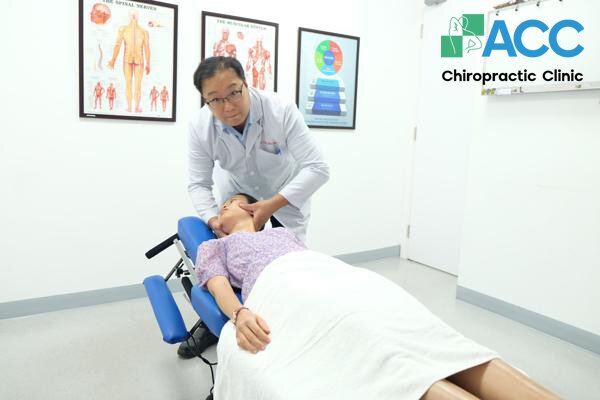
7.2. Why Choose ACC for Cervical Disc Herniation Treatment?
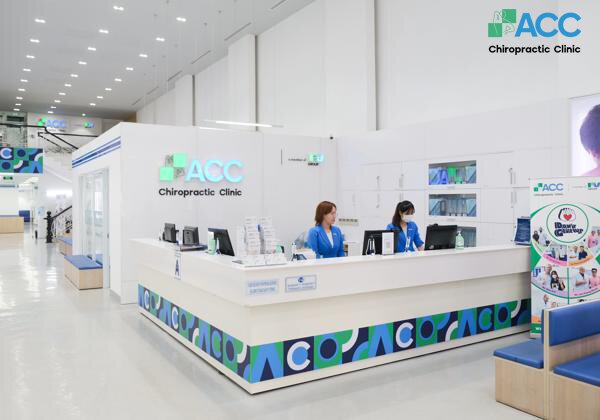
As a member of FV Hospital and the Thomson Medical Group, ACC operates according to a modern, transparent, and comprehensive medical model. We provide patients with maximum peace of mind through clear treatment protocols, transparent costs, and a commitment to clinical excellence.
Here is what sets our treatment of cervical disc herniation apart:
1. World-Class Medical Expertise
ACC brings together a team of leading doctors and specialists with over 20 years of experience in treating musculoskeletal disorders.
- International Standards: Many of our experts have trained and worked in top international medical environments.
- Complex Case Management: Our team is capable of handling the full spectrum of cases-from mild herniations to complex, chronic, or recurrent conditions-ensuring an accurate diagnosis and effective plan for every patient.
2. Rigorous Diagnostic Standards
We do not just treat pain; we identify the source. Our examination process is systematic and thorough:
- Comprehensive Assessment: Includes medical history, clinical orthopedic testing, and functional assessment of the neck, shoulder, and arm.
- Root Cause Focus: Every step adheres to strict medical quality controls aimed at identifying the exact cause of the herniation rather than simply masking symptoms with medication.
3. Advanced Therapeutic Technology
ACC invests heavily in state-of-the-art equipment to accelerate recovery and ensure safety. Our facilities meet international standards and feature:
- Cervical Spine Decompression (Traction) Machines: To gently relieve pressure on discs.
- Shockwave Therapy: To break down scar tissue and stimulate healing.
- High-Intensity Laser (Class IV): To deeply penetrate tissue and reduce inflammation rapidly.
4. A Multimodal, Personalized Protocol
There is no “one-size-fits-all” cure. Our treatment protocols are personalized based on the patient’s age, injury severity, lifestyle, and medical history. We utilize a powerful combination of:
- Chiropractic Adjustment: To restore spinal alignment.
- Physical Therapy: To strengthen supporting muscles.
- Rehabilitation: To restore range of motion.
5. Long-Term Support & Prevention
Our care extends beyond the clinic. To minimize the risk of recurrence and maintain long-term results, we provide:
- Post-Treatment Monitoring: Regular follow-up appointments and effectiveness assessments.
- Lifestyle Guidance: Detailed instruction on ergonomics (posture), nutrition, and maintenance exercises to keep your spine healthy for years to come.
8. Effective Prevention Strategies for Cervical Disc Herniation
Prevention is always better than cure. To protect your cervical spine from degeneration and herniation, adopt these proactive lifestyle changes:
- Mind Your Posture: Whether sitting, standing, or walking, maintain a neutral spine position. Avoid “Tech Neck” (looking down at screens for long periods) and ensure your workstation is ergonomically set up.
- Exercise Regularly: Engage in moderate-intensity activities (like swimming or yoga) to strengthen the neck and upper back muscles. A strong muscular support system relieves pressure on the cervical discs.
- Maintain a Healthy Weight: Excess weight places additional stress on the spine. Keeping your BMI within a healthy range reduces the daily load your discs must bear.
- Adopt a “Bone-Healthy” Diet: Focus on a diet rich in Calcium, Vitamin D, Magnesium, and Omega-3 fatty acids to nourish cartilage and bone tissue.
- Quit Smoking: Smoking constricts blood vessels, reducing nutrient delivery to the discs and accelerating degeneration.
- Regular Health Screenings: Routine check-ups allow for the early detection of spinal misalignments before they develop into severe herniations.
9. Frequently Asked Questions (FAQs)
9.1. What are the signs of spinal cord compression (Cervical Myelopathy)?
Spinal cord compression is a dangerous complication that affects the central nervous system. Unlike a pinched nerve which hurts one arm, this condition causes:
- Widespread Symptoms: Numbness or weakness affecting both arms, the torso, or legs.
- Loss of Coordination: Clumsiness in hands (dropping objects) or an unsteady gait (difficulty walking).
- Autonomic Dysfunction: In severe cases, loss of bladder or bowel control.
- Urgency: This condition requires immediate medical intervention to prevent permanent paralysis.
9.2. What does a C5-C6 herniation feel like?
The C5-C6 segment is one of the most common sites for herniation. When the C6 nerve root is compressed, patients typically experience:
- Pain & Numbness: Radiating down the arm into the thumb and index finger.
- Muscle Weakness: Weakness in the biceps (front of the upper arm) and the wrist extensors (difficulty cocking the wrist back).
9.3. Is surgery for cervical disc herniation dangerous?
Like any major procedure, spinal surgery carries risks (infection, nerve damage, reaction to anesthesia). However, when performed by an experienced neurosurgeon or orthopedic specialist, it generally has a high safety profile and success rate. That said, surgery is typically considered a last resort after conservative methods (like Chiropractic and Physical Therapy) have been exhausted.
9.4. Can a herniated disc heal on its own?
Structurally, a herniated disc rarely “heals” completely (i.e., returns to its original shape) on its own. However, the symptoms can resolve. With proper treatment-such as rest, anti-inflammatory measures, and chiropractic adjustments-the inflammation subsides, and the disc material may shrink or shift away from the nerve, allowing the patient to live pain-free without surgery. Ignoring the condition hoping it will “go away” often leads to chronic pain or worsening nerve damage.
Conclusion: Take Action for Your Spine Health
Cervical disc herniation is a serious condition, but it is highly treatable. You do not have to live with pain or rely on medication forever.
If you are experiencing persistent neck pain, numbness, or stiffness, seek professional help immediately. Early diagnosis leads to faster, more effective recovery. Contact ACC today to receive a personalized treatment plan from our leading experts.