







Contents
- 1. What is Carpal Tunnel Syndrome?
- 2. Symptoms of Carpal Tunnel Syndrome
- 3. Causes of Carpal Tunnel Syndrome
- 4. Who is at high risk for Carpal Tunnel Syndrome?
- 5. Is Carpal Tunnel Syndrome dangerous?
- 6. How is Carpal Tunnel Syndrome diagnosed?
- 7. Treatment Methods for Carpal Tunnel Syndrome
- 8. Preventing Recurrence of Carpal Tunnel Syndrome
In its early stages, patients often experience pain, numbness, and tingling in the hand or fingers, which affects daily life and work. However, many people overlook these symptoms and fail to seek timely treatment, leading to worsening conditions such as muscle atrophy, loss of function, and impaired hand mobility.
1. What is Carpal Tunnel Syndrome?
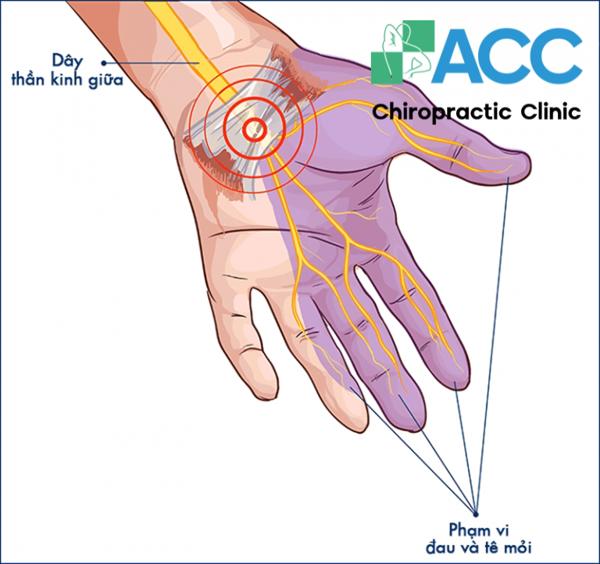
Anatomically, the carpal tunnel is a narrow passageway surrounded by bones, ligaments, and the flexor retinaculum. Running through this tunnel is the median nerve, which controls sensation and movement in the hand muscles.
Carpal Tunnel Syndrome occurs when the median nerve is compressed within the carpal tunnel. It is characterized by pain, numbness, and tingling in the index, middle, and ring fingers. These sensations can radiate up the forearm toward the shoulder, accompanied by muscle pain and cramping.
2. Symptoms of Carpal Tunnel Syndrome
The signs of carpal tunnel syndrome are often difficult to recognize because they typically have a slow onset without a specific preceding injury. Occasionally, symptoms appear at night when the patient sleeps with their wrists bent, which puts added pressure on the median nerve.
Common symptoms include:
- Hand numbness at night.
- Tingling and pain, primarily in the thumb, index, and middle fingers.
- Loss of sensation (sensory perception) in the fingertips.
- A tingling sensation that may travel up the forearm toward the shoulder.
As carpal tunnel syndrome progresses, symptoms become more frequent and severe:
- Increased muscle pain and more frequent cramping.
- Hand weakness and reduced grip strength make it difficult to perform everyday tasks such as writing, buttoning clothes, typing, or using a phone.
- Slower nerve impulses or a loss of proprioception (the awareness of your hand’s position in space).
When to see a doctor?
If you notice that the signs and symptoms of carpal tunnel syndrome do not subside, or if they begin to interfere with your daily activities and sleep, you should see a doctor as soon as possible. Delaying treatment can lead to permanent nerve and muscle damage in the hand, which is much more difficult to treat.
3. Causes of Carpal Tunnel Syndrome
In most cases, a single, clear cause of carpal tunnel syndrome cannot be identified. This condition is usually the result of multiple factors that increase pressure on the median nerve, specifically:
- Repetitive strain and posture: Working with vibrating tools or performing tasks that require prolonged, repetitive wrist flexion can exert pressure on the median nerve, especially in cold environments.
- Wrist injuries: Trauma such as dislocations or fractures.
- Inflammatory conditions: Rheumatoid arthritis and other inflammatory diseases can affect the lining around the tendons in the wrist.
- Genetic factors: Inheriting a naturally small carpal tunnel structure from family members.
- Pregnancy: Hormonal changes can increase fluid volume within the carpal tunnel, typically occurring during the middle and late stages of pregnancy.
- Metabolic and systemic diseases: Conditions such as hypothyroidism, obesity, acromegaly, and diabetes.
- Medication side effects: The use of the breast cancer drug anastrozole (Arimidex).
- Other health conditions: Menopause, thyroid disorders, kidney failure, and lymphedema can also increase the likelihood of developing carpal tunnel syndrome.

4. Who is at high risk for Carpal Tunnel Syndrome?
People whose jobs involve frequent use of the hands and repetitive motions over long periods are at high risk, including:
- Assembly line workers
- Drivers
- Secretaries and typists
- Hairdressers
- Bakers
- Craftspeople
- Cashiers
- Musicians
5. Is Carpal Tunnel Syndrome dangerous?
In general, carpal tunnel syndrome can range from mild to severe. Initially, pain symptoms may appear and subside after a few days, allowing for normal movement. However, as the condition progresses, the pain can become intense and constant, significantly impacting the quality of life.
If not treated promptly and correctly, prolonged compression of the median nerve can lead to complications such as Carpal tunnel stenosis, persistent pain, numbness, reduced or lost sensation in the area controlled by the median nerve, and even muscle atrophy (paralysis of the thenar muscles), leading to impaired hand function.
6. How is Carpal Tunnel Syndrome diagnosed?
To diagnose carpal tunnel syndrome, doctors will perform several tests, including:
- Tinel’s Sign: Tapping over the carpal tunnel (using fingers or a reflex hammer) to determine if the patient feels tingling or pain in the fingers.
- Phalen’s Test: Having the patient flex their wrists for 60 seconds. The faster the numbness and tingling appear, the more severe the syndrome.
- Wrist X-ray: To determine if the syndrome is caused by arthritis or a physical injury.
- Electromyography (EMG) and Nerve Conduction Study: To assess the function of the median nerve and the muscle’s electrical response.
7. Treatment Methods for Carpal Tunnel Syndrome
The following are commonly applied treatments for carpal tunnel syndrome today:
7.1. Wrist Splinting
A splint helps maintain the wrist in a straight or neutral position, reducing pressure on the nerve within the carpal tunnel. You can wear a splint while sleeping to prevent the wrist from bending, which helps alleviate the numbness and pain caused by the condition.

7.2. Pain Relievers and Anti-inflammatory Medication
Certain medications may be prescribed to provide short-term relief from carpal tunnel pain, such as paracetamol or ibuprofen. It is crucial to strictly follow a specialist’s instructions when using these drugs, as self-medicating or exceeding the recommended dosage can lead to dangerous side effects.
7.3. Surgery
Surgery is indicated for severe cases where symptoms persist after long-term use of medication or other methods, or when signs of muscle atrophy appear. The surgeon performs a carpal tunnel release by cutting the transverse carpal ligament to increase the space and relieve pressure on the nerves and flexor tendons.
During the procedure, local or general anesthesia is administered, which carries risks of adverse reactions such as allergies or anaphylactic shock. Additionally, potential post-operative complications include:
- Bleeding.
- Infection.
- Injury to the median nerve or its branches.
- Trauma to tendons, blood vessels, ligaments, or other structures.
7.4. Physical Therapy for Carpal Tunnel Syndrome
Physical therapy exercises, yoga, ultrasound therapy, and acupuncture can effectively support pain relief while strengthening the muscles in the palm. These methods help restore mobility to the patient.
Depending on the specific condition of the carpal tunnel and the patient’s overall health, the physical therapy regimen will vary. Therefore, to achieve high efficiency in rehabilitation and avoid further injury, patients should strictly follow the treatment plan guided by their doctor.
7.5. Chiropractic Care
Chiropractic care has been proven to be an effective and safe treatment for musculoskeletal pain without the need for drugs or surgery. It is particularly beneficial for cases of carpal tunnel syndrome caused by arthritis, ligament inflammation, single or multiple neuropathies, and wrist injuries.
In Vietnam, ACC Clinic – specialized in Chiropractic care – is proud to be a pioneer in this field. Our doctors use precise manual adjustments to gently realign misaligned structures to their natural positions. This process releases the pressure on surrounding nerves and stimulates the body’s natural self-healing mechanism. Consequently, pain gradually subsides and eventually disappears completely.
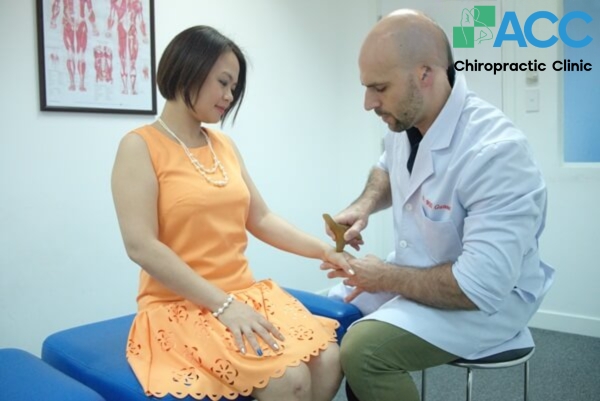
To accelerate recovery and provide effective pain relief, doctors may combine Chiropractic care with physical therapy using state-of-the-art equipment, such as Class IV High-Intensity Laser Therapy and Shockwave Therapy.
8. Preventing Recurrence of Carpal Tunnel Syndrome
In addition to the treatment methods mentioned above, it is important to understand that even after surgery, this syndrome can recur without effective preventive measures. To minimize stress on your hands and wrists and prevent pain from returning, please note the following:
- Keep your hands straight and place your wrists in a comfortable position parallel to the keyboard.
- Reduce force and relax your grip while typing, writing, or operating a cash register.
- Give your wrists a rest for a few minutes every 30-45 minutes of work.
- Perform stretching and bending exercises for your hands during breaks.
Avoid frequent bending or overextending your wrists. - Improve your sitting posture: Avoid leaning your shoulders and neck too far forward, as this can compress nerves in the neck, which in turn affects the wrists, fingers, and hands.
- Replace your computer mouse if you feel uncomfortable or experience wrist fatigue while using it.
- Keep your hands warm: If working in a cold environment, wear fingerless gloves to maintain warmth in your hands and wrists.
We hope the information shared above about carpal tunnel syndrome is truly helpful to you. If you notice any unusual signs of numbness, tingling, or pain in your wrists and hands, seek medical attention immediately for a timely diagnosis and treatment!