







Contents
Numbness in the big toe—often accompanied by tingling throughout the foot—is a common symptom that should never be ignored. While it can stem from simple habits like improper walking posture or tight footwear, it frequently serves as a warning sign of underlying musculoskeletal or nerve conditions.
So, what exactly triggers this loss of sensation, and how can you treat it effectively? Read on to discover the root causes and the best methods for quick relief.
1. What are the symptoms of numbness in the big toe?
Numbness in the big toe typically manifests as a loss of sensation combined with abnormal sensory experiences (paresthesia). Patients often describe it as:
- “Pins and needles”: A prickling or stinging sensation at the tip of the toe.
- Tingling: An uncomfortable electrical or buzzing feeling.
- Spreading Numbness: While it may start in the big toe, the loss of sensation can gradually radiate to the other toes, the ball of the foot, or the entire foot.
In mild cases, this numbness is transient, appearing for a short time before the toe returns to normal. However, if the numbness is persistent, it may indicate a deeper nerve issue.
2. Causes of Numbness in the Big Toe
There are various triggers for numbness in either the left or right big toe. These are generally categorized into two main groups: Pathological Causes (medical conditions) and Mechanical/Lifestyle Causes.
2.1. Pathological Causes
A seemingly minor symptom like a numb toe can actually be a “warning light” for underlying musculoskeletal or neurological conditions.
2.1.1. Sciatica (Sciatic Nerve Compression)
Sciatica is a leading cause of foot numbness. It occurs when the sciatic nerve—the longest nerve in the body—is compressed or irritated, often due to a herniated disc in the lower back (specifically the L4-L5 or L5-S1 segments).
The Chain Reaction: Pain and numbness originate in the lumbar spine and radiate down through the buttock, the outer thigh, the calf, and finally into the foot and big toe.
Why the Big Toe? The L5 nerve root specifically supplies sensation to the top of the foot and the big toe. When this root is compressed, the big toe is often the first place to feel numb.
>> Read more: Why your herniated disc has not fully recovered
2.1.2. Arthritis (Osteoarthritis & Rheumatoid Arthritis)
Arthritis in the foot (often Hallux Rigidus in the big toe) can lead to numbness through inflammation and structural changes.
- Mechanism: As joint cartilage wears down, the body may produce bone spurs (osteophytes). These bony projections can encroach on nearby nerves, causing compression.
- Symptoms: In addition to numbness, patients typically experience swelling, stiffness, and significant pain that makes walking difficult or alters their gait.
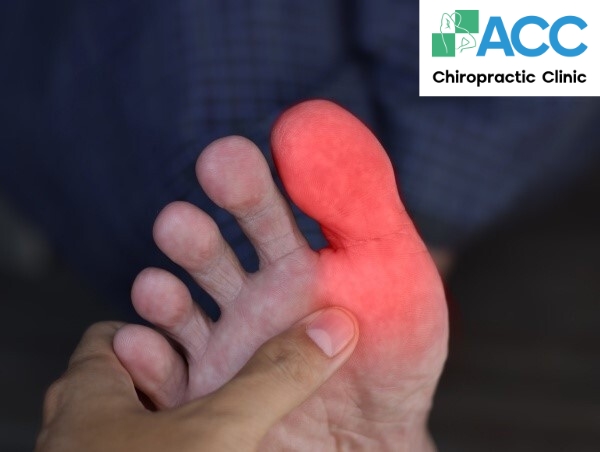
Arthritis can affect anyone, but it is most common in older adults. In younger people, osteoarthritis is often caused by joint injuries from accidents, being overweight, or a family history of arthritis.
2.1.3. Peripheral Artery Disease (PAD)
Peripheral artery disease, also known as peripheral artery disease, occurs when the lumen of the arteries narrows due to the buildup of atherosclerotic plaques or blood clots, restricting blood flow to organs and limbs. When the limbs (legs, arms) do not receive enough blood, symptoms such as pain and numbness, discoloration of the legs, and even gradual weakness may occur.
Peripheral artery disease can affect many people, and risk factors include older age (over 60 years old), smoking, high blood pressure, diabetes, and obesity.
2.1.4. Spinal Cord Injury
The spinal cord is responsible for transmitting impulses from sensory nerves to motor organs. Therefore, if the spinal cord is injured, the signal transmission process will be hindered, potentially leading to complete or partial loss of sensation in the affected area. In addition, patients may experience weakness or paralysis of one or more muscle groups in the arms and legs, numbness in the toes, urinary incontinence, etc.
Spinal cord injuries can occur due to causes such as car accidents, severe impacts to the back, or due to arthritis, infections, cancer, vascular diseases, etc.
2.1.5. Other Medical Conditions
In addition, a tingling or pins-and-needles sensation in the big toe can also be related to other medical conditions, such as:
- Morton’s neuroma
- Anemia
- Raynaud’s phenomenon
- Diabetes
- Multiple sclerosis
- Stroke
- Foot bone pain
- Infectious diseases such as leprosy, shingles, syphilis, etc.
2.2. Non-Medical Causes
The cause of numbness or tingling in the big toe is not always due to a medical condition; sometimes it is due to other factors such as:
2.2.1. Poor Blood Circulation
Poor blood circulation, resulting in insufficient blood supply to the foot, can cause symptoms of numbness and tingling, sometimes a sharp, pins-and-needles-like pain in the big toe. Therefore, poor blood circulation can be considered one of the culprits causing numbness and loss of sensation in the big toe.
Causes of this condition include standing, sitting, or lying down for too long, wearing tight shoes, etc. Peripheral artery disease (PAD) is also known as peripheral artery disease. It occurs when the arteries narrow due to the buildup of plaque or blood clots, restricting blood flow to the limbs. Insufficient blood supply to the legs and arms can cause symptoms such as pain, numbness, leg discoloration, and gradual weakness.
Risk factors for PAD include age (over 60), smoking, high blood pressure, diabetes, and obesity.

2.2.2. Incorrect Running Technique
Incorrect running or walking techniques can also lead to numbness in the toes and feet. When you take excessively long strides, causing your foot to move too far forward relative to your body weight, it increases pressure on the nerves in your feet, leading to numbness.
2.2.3. Cold Weather
Numbness in the right or left big toe can sometimes be caused by the weather. Prolonged exposure to cold weather can cause numbness and loss of sensation. Sudden changes in temperature can affect blood circulation, preventing the feet and toes from receiving the necessary blood supply, leading to numbness.
2.2.4. Vitamin B12 Deficiency
Vitamin B12 deficiency can cause anemia, and if left untreated, can lead to neurological problems such as numbness or tingling, muscle weakness, and difficulty walking. In general, numbness in the toes can be caused by many factors. Patients should monitor the frequency of occurrence and any accompanying unusual symptoms to ensure timely treatment.
3. What to do when experiencing numbness in the big toe?
When the big toe feels numb or tingling, the first solution is to immediately change your lying, sitting, or standing position and move your body to improve blood circulation.
For home care, consider these remedies:
- Warm Water Soak: Soak your feet in warm water mixed with salt and ginger before bed to enhance circulation and lessen numbness.
- Massage: Gently massage your feet and toes, perhaps in a clockwise motion, to improve blood flow and relieve discomfort.
- Maintain a balanced diet rich in vitamins and minerals. Weight management can also help reduce pressure on your feet, preventing numbness from prolonged standing.
- Seek medical attention promptly if the pins-and-needles sensation or pain is severe or occurs frequently.
Furthermore, eat a balanced diet, supplementing vitamins and minerals in your daily diet. Consider losing weight to reduce the pressure of body weight on your feet and prevent numbness from standing for too long. However, if the pain in the toes, such as a pins-and-needles sensation, recurs frequently and is severe, it is advisable to seek medical attention as soon as possible. When experiencing numbness or tingling in the big toe, first change your position immediately (lying, sitting, or standing) and move your body to boost blood circulation.
>> More information: What to eat and drink for healthy bones and joints?

4. When should you see a doctor?
Consult a doctor immediately if you experience any of these symptoms:
- Frequent tingling or numbness in the big toe with no apparent cause.
- Severe numbness and pain in the big toe, especially when walking.
- Aching in the toe or foot.
- Urinary incontinence.
- Numbness in both big toes accompanied by dizziness, muscle spasms, or a skin rash.
- Numbness in the big toe is accompanied by numbness in other areas that lasts for a week or more without relief.
Although numbness in one or both big toes may seem minor, it can indicate serious underlying conditions such as musculoskeletal disorders, peripheral neuropathy, or diabetes. Monitor the frequency and severity of symptoms, along with any unusual accompanying signs, to ensure timely diagnosis and treatment.
Treatment for Numbness in the Big Toe at ACC: Safe and Highly Effective
For cases of numbness in the toes and feet caused by spinal and musculoskeletal disorders, Chiropractic combined with physiotherapy is an effective solution to eliminate this discomfort. This method is considered safe and gentle because it does not require medication or surgery.
- Chiropractic: This non-invasive method involves a specialist manually adjusting misaligned vertebrae back into their natural positions. This relieves pressure on compressed nerves, leading to pain reduction, resolution of discomfort, and minimizing the risk of recurrence.
- Physical Therapy & Rehabilitation: This utilizes various modalities (e.g., mechanical movement, light, heat, sound waves) to deeply target damaged tissues. This stimulates the body’s natural healing processes and provides effective pain relief.
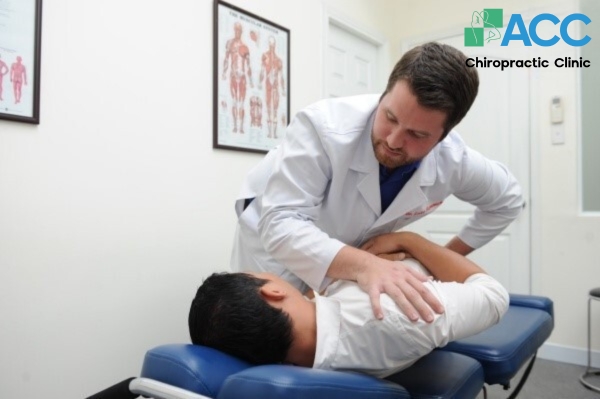
At ACC, we offer safe and non-invasive Chiropractic Therapy to treat numbness and tingling in the big toe resulting from musculoskeletal disorders and nerve compression.
Why Choose ACC Clinic?
With over 18 years of successful experience treating toe and foot pain and numbness caused by nerve compression and musculoskeletal misalignment, patients can be confident in the care they receive at ACC, which includes:
- Experienced, Licensed Foreign Doctors: Our team consists of 100% foreign doctors specializing in Chiropractic Therapy. They are licensed and experienced, ensuring comprehensive treatment plans that provide quick relief from pain and numbness while minimizing the risk of recurrence.
- Personalized Treatment Protocols: Treatment plans are tailored to each patient’s specific condition, considering their pain and numbness levels and overall health. This approach guarantees optimal results and a faster recovery.
- State-of-the-Art Equipment: ACC invests in modern, internationally standardized machinery and equipment, recognizing their vital role in enhancing treatment effectiveness and duration. This includes high-intensity lasers (Generation IV), Shockwave technology, Vertetrac and Cervico 2000 decompression devices, and DTS spinal decompression traction machines.
- Comprehensive Recovery and Prevention Guidance: After each session, doctors provide detailed guidance on home exercises, lifestyle adjustments, and diet to accelerate recovery. Upon completing the treatment course, patients receive instructions on maintaining bone and joint flexibility to prevent future pain recurrence.
Proper treatment is essential for effective pain resolution and long-term prevention. Contact ACC today for a detailed consultation on a personalized treatment plan.